
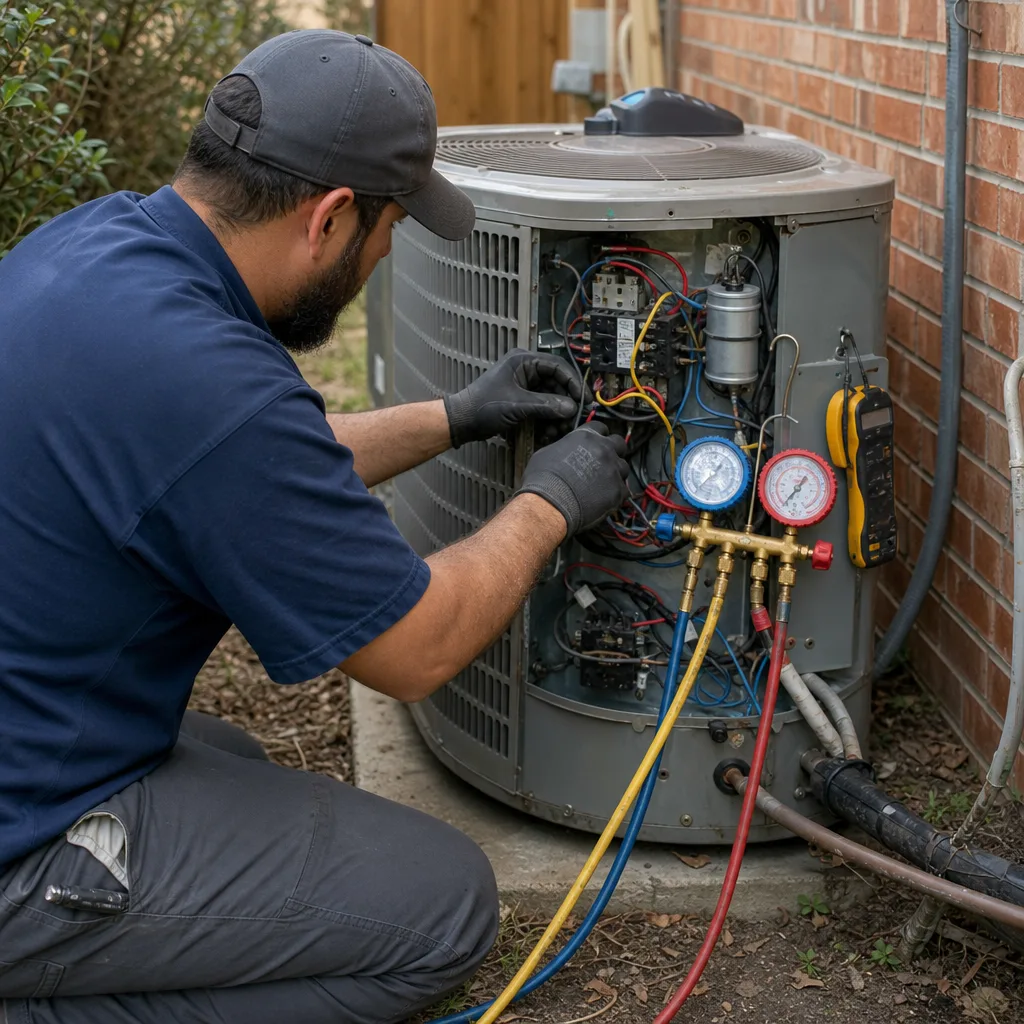
Last updated October 16, 2026
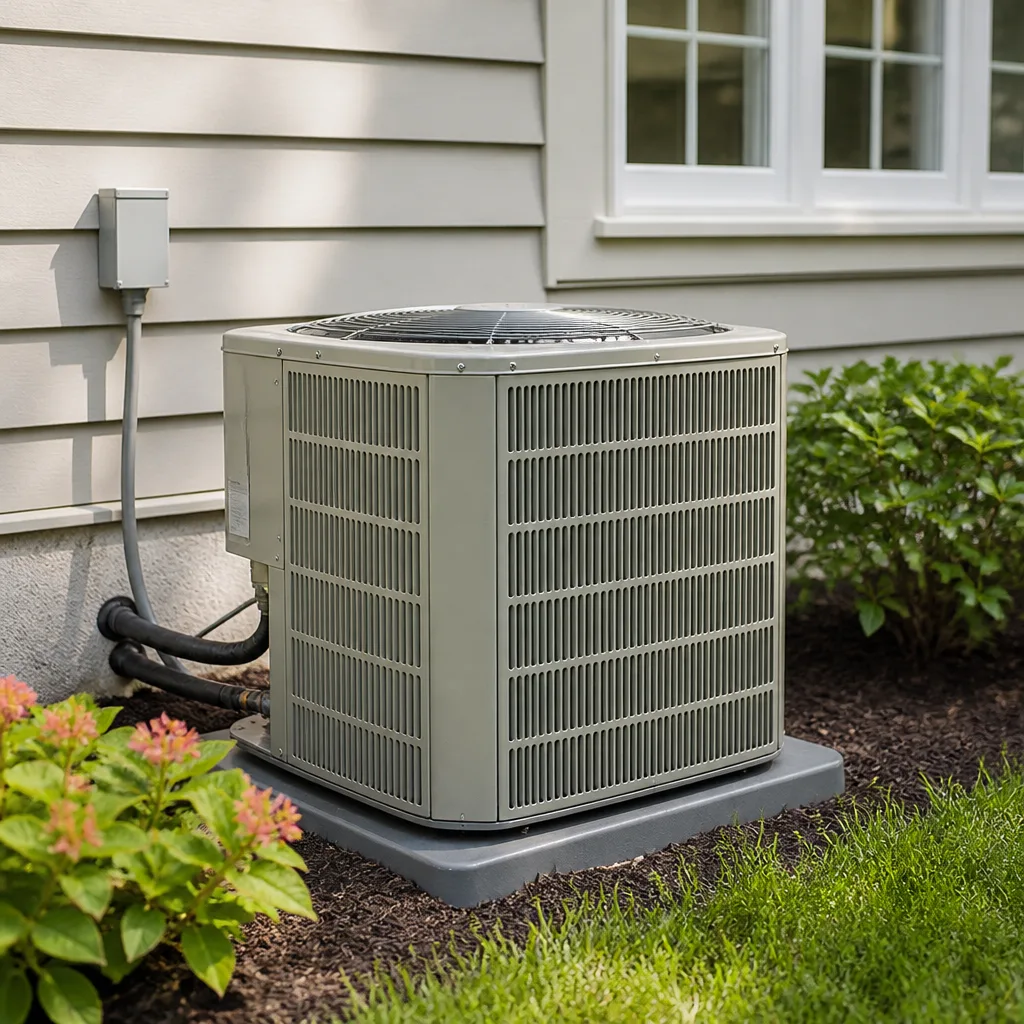 AC repair
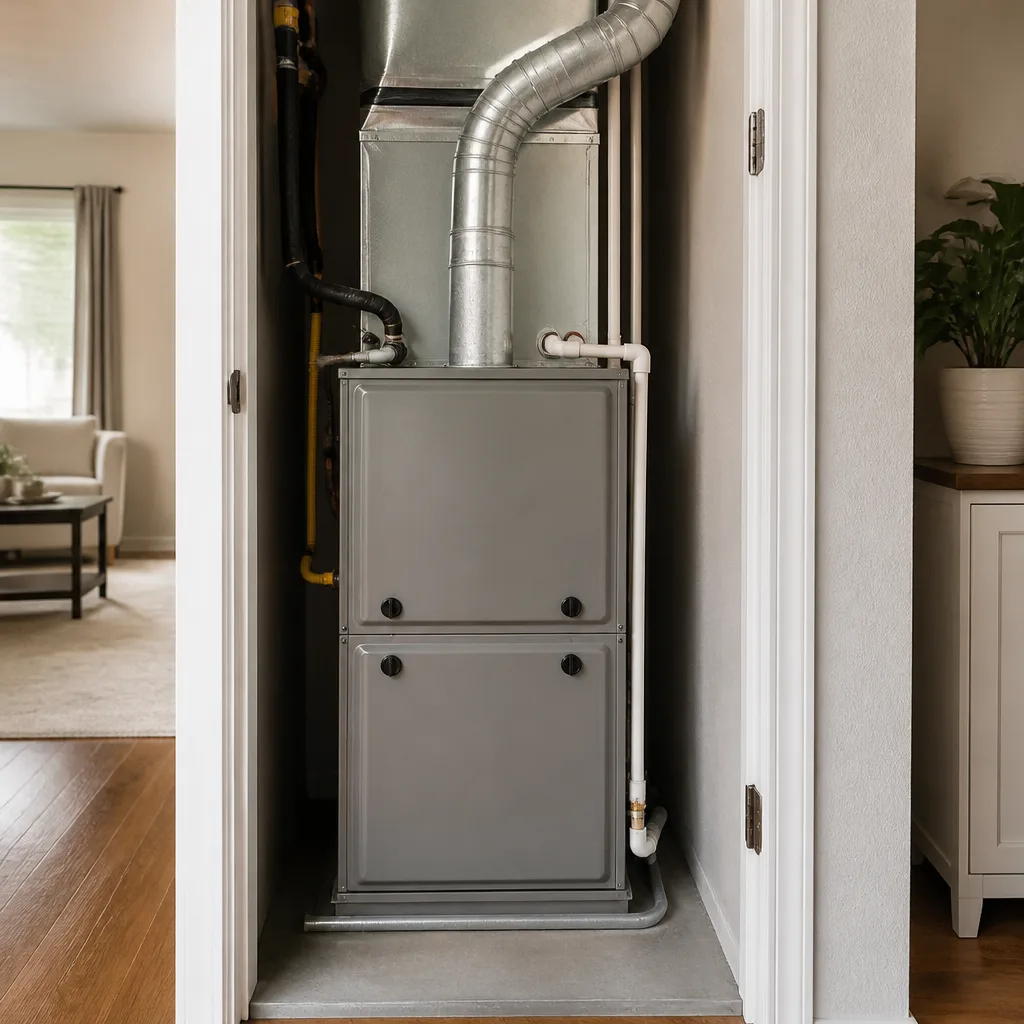 Furnace & heating
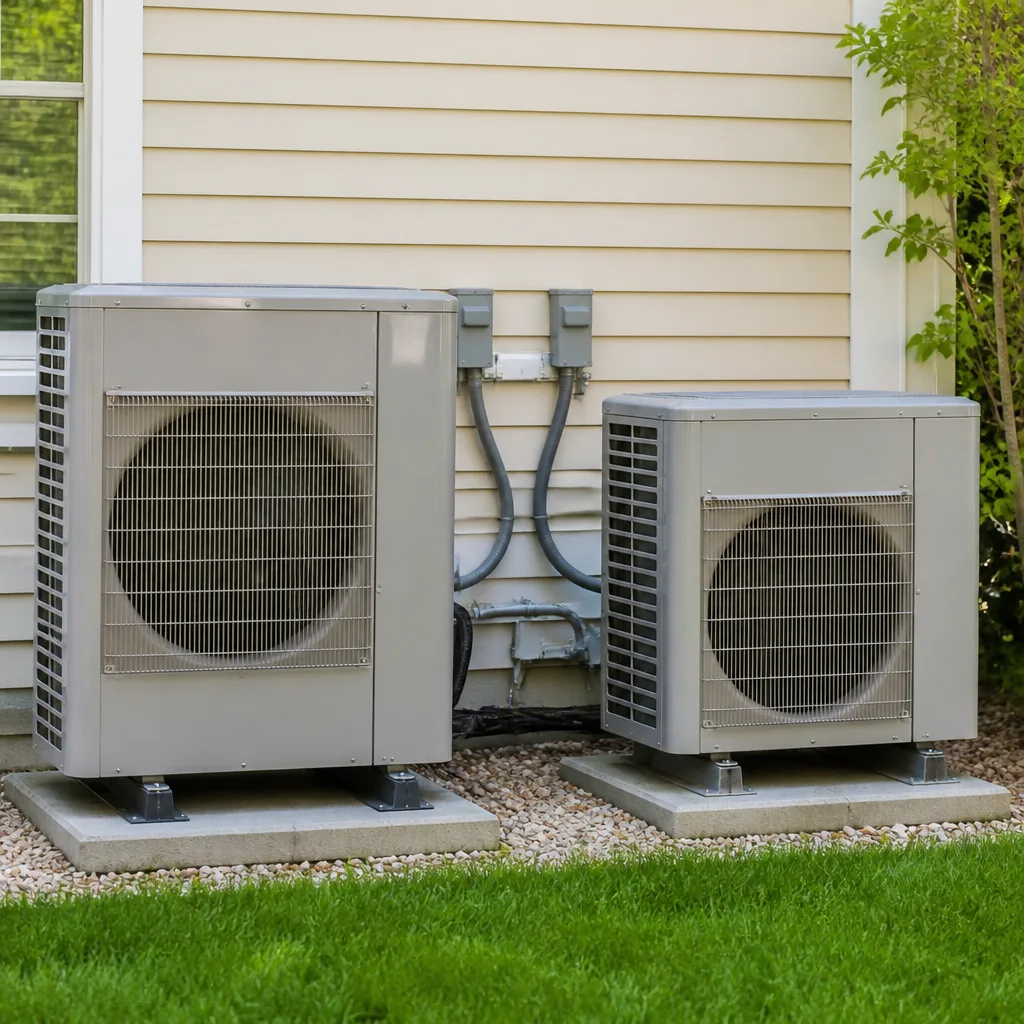 Heat pumps
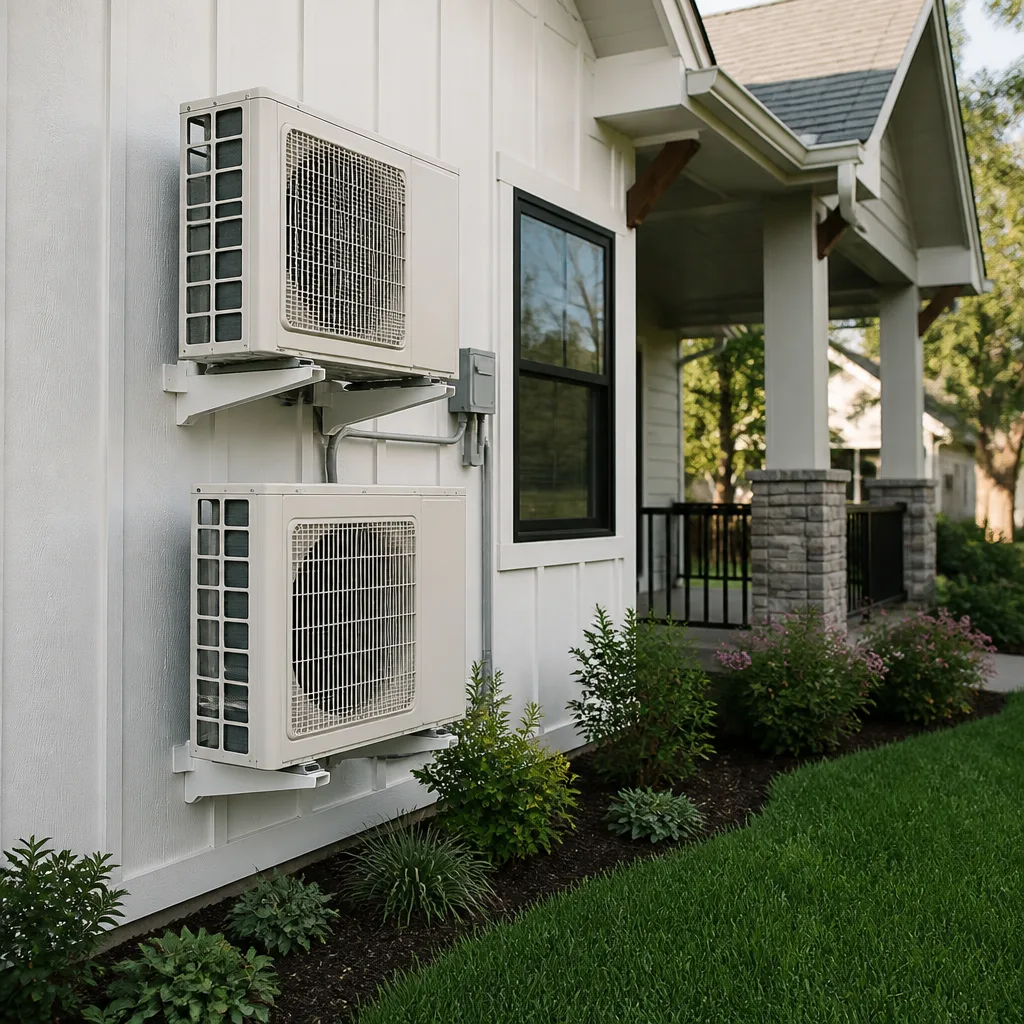 Ductless mini splits
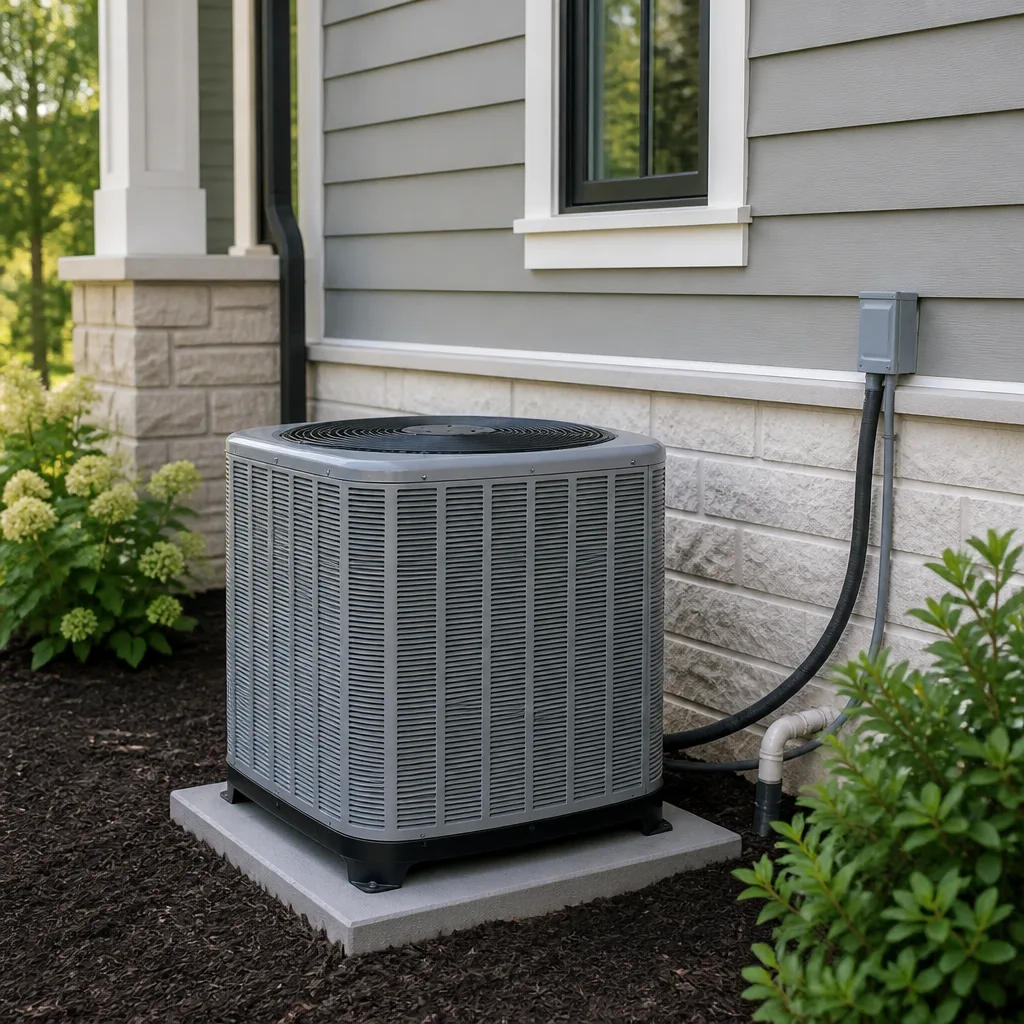 Carrier
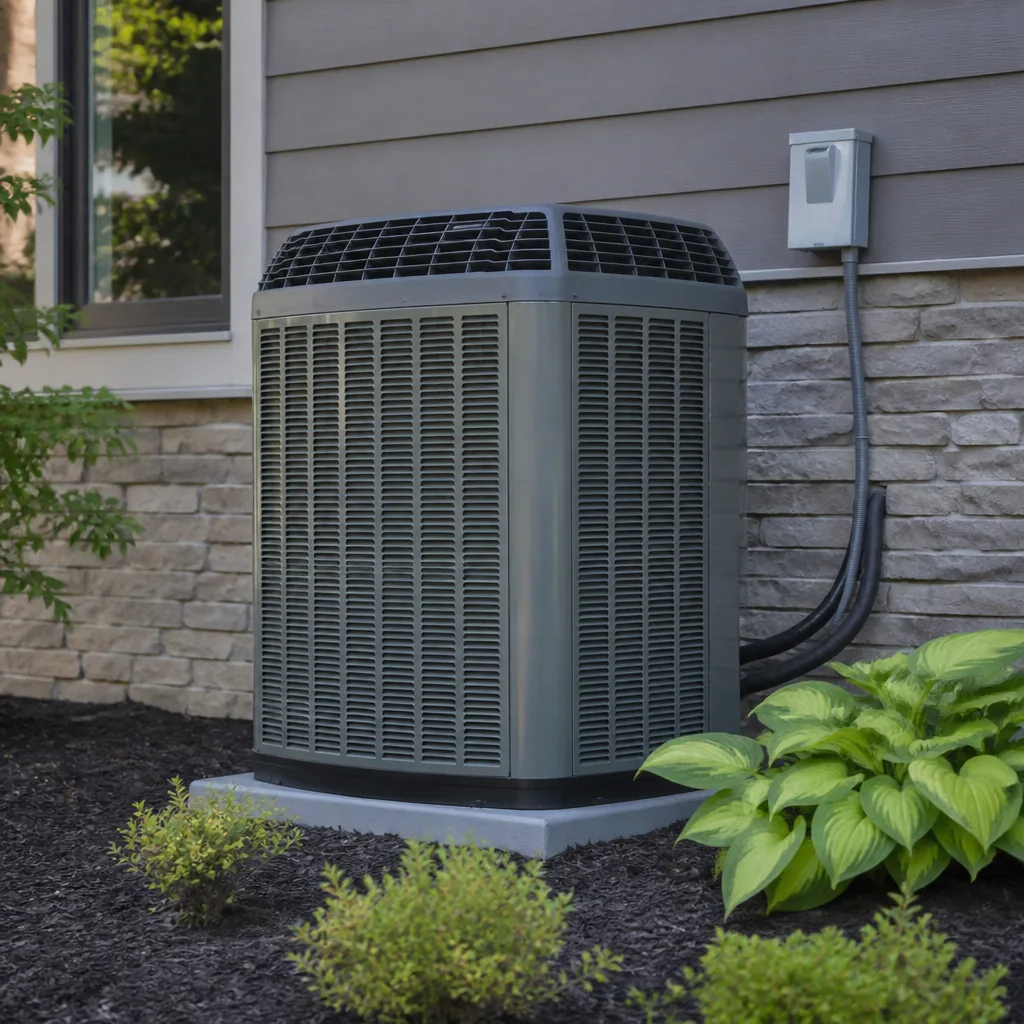 Trane
Trane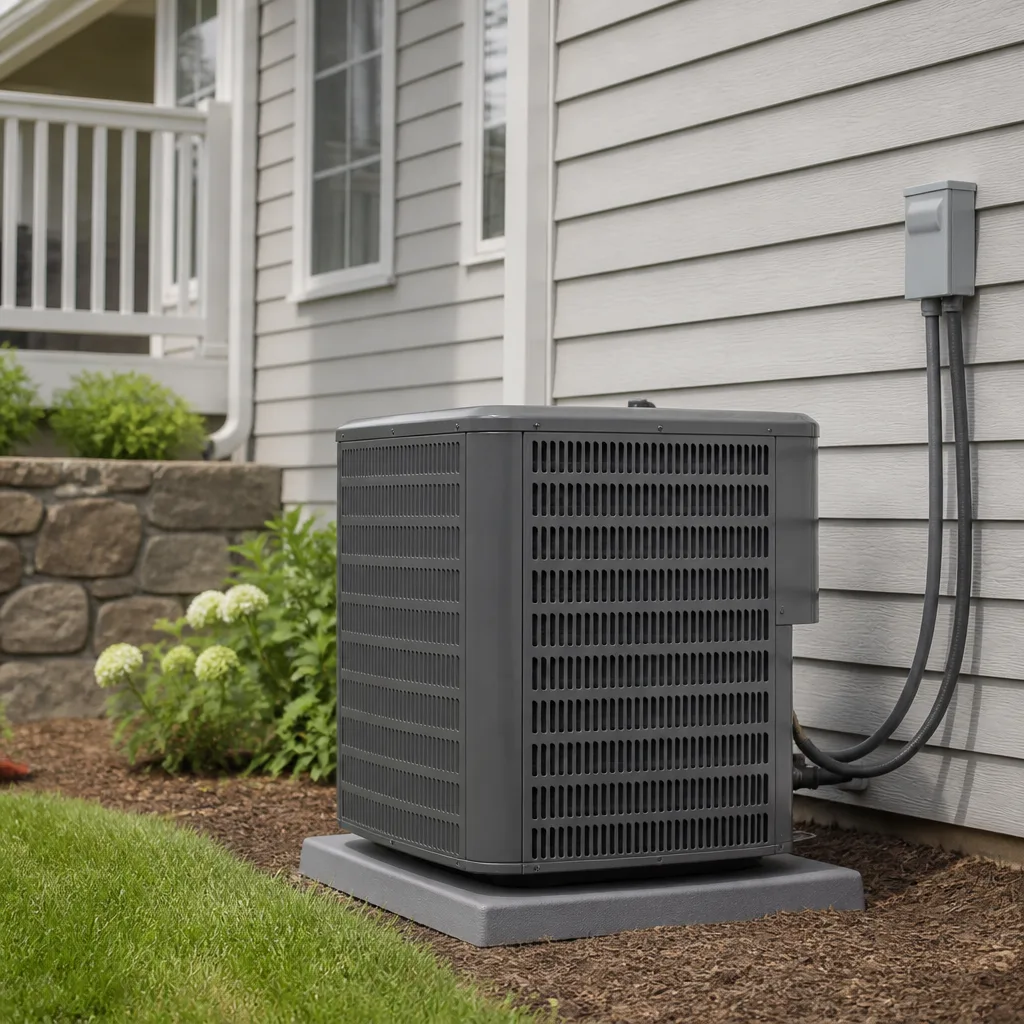 Goodman
Seasonal tune-up and full diagnostic on your Carrier, Trane, or Goodman system - readings shown to you before any repair is proposed
Diagnosis first, numbers second - you approve the repair price before a single part goes in.
Get your free estimateHow to Hire a HVAC Contractor in Dallas: A Step-by-Step Guide
Here’s a fact most Dallas homeowners don’t learn until something goes wrong: Texas is one of only a handful of states where a person can legally start an HVAC company without holding a state-issued contractor’s license. There is no state exam, no state-mandated apprenticeship record, and no state agency proactively checking who is installing a furnace or condensing unit in Dallas. The only licensing requirements are at the city level, and enforcement is complaint-driven rather than proactive. That shifts the entire burden of vetting onto you, the homeowner, at the exact moment your air conditioner has failed in August. This guide is a concrete, step-by-step screening process written by people who work in Dallas HVAC every day, so you can make a decision based on verifiable facts instead of a five-star rating that may not mean what you think it means.
Styles & brands we work with
Quick Answer
To hire an HVAC contractor in Dallas, verify their Dallas city registration, check their Texas Department of Licensing and Regulation (TDLR) license class (ACR for refrigeration work, ACT for heating work), request a certificate of insurance with specific liability minimums, insist on a written flat-rate quote before work starts, and confirm that a Dallas mechanical permit will be pulled for any system replacement. Ask for the name and photo of the technician before they arrive, and never accept a verbal-only warranty. A legitimate Dallas HVAC company will answer all five of those questions without hesitation, in writing.
Table of Contents
- Why Hiring an HVAC Contractor in Dallas Is Different From Other Cities
- Step 1: Check the TDLR Database and Understand the License Classes
- Step 2: Confirm Your Dallas Mechanical Permit Plan
- Step 3: Read a Certificate of Insurance Like a Dallas Homeowner Should
- Step 4: Ask These Five Questions Before Any Technician Enters Your Home
- Step 5: Spot the Red Flags Specific to the Dallas Market
- Step 6: Get the Written Quote and Read Every Line
- Step 7: Insist on a Written Warranty and Know What It Covers
- Common Mistakes to Avoid
- When to Call a Professional
- Frequently Asked Questions
- The Bottom Line
Why Hiring an HVAC Contractor in Dallas Is Different From Other Cities
Dallas sits in a regulatory gap that surprises people who moved here from states like California, Florida, or Arizona. Those states require state-level contractor licensing with exams, continuing education, and active enforcement. Texas does not. The Texas Department of Licensing and Regulation (TDLR) registers air conditioning and refrigeration contractors, but registration is not a competency test. It is a registration fee, proof of insurance, and in some cases a background check. That is the whole gate.
Dallas adds a second layer: city registration through the Dallas Development Services Department. A contractor performing HVAC work inside Dallas city limits must hold a valid Dallas contractor registration. The city can revoke that registration for code violations, failure to pull permits, or unresolved consumer complaints. But here is the part most guides skip: Dallas code enforcement is largely reactive. The city investigates when someone files a complaint. It does not run sting operations or audit every permit. Homeowners in neighborhoods from Lake Highlands to Oak Cliff to Preston Hollow are effectively their own first line of defense.
This is not a reason to panic. It is a reason to have a process. The rest of this guide is that process, written so you can complete it in about 45 minutes before you ever schedule a service call. For more guides & resources, visit our blog.
We have worked in Dallas HVAC long enough to know that the best contractors want you to check. They want you to ask about insurance, permits, and warranties because they are already doing those things correctly. The contractors who get defensive, vague, or suddenly unavailable are the ones you were trying to avoid in the first place.
One more local truth: Dallas summers routinely push past 100 degrees, and a failed air conditioner in July is not an inconvenience. It is a health issue for elderly residents, infants, and people with respiratory conditions. That urgency is exactly what storm-chasers and pop-up contractors exploit. They count on you deciding too fast to check anything. Slow down anyway. A legitimate Dallas HVAC company can have a technician at your door the same day and still pass every check on this list. For a deeper look at what repair actually involves, see our guide to AC Repair in Dallas.
Step 1: Check the TDLR Database and Understand the License Classes
The Texas Department of Licensing and Regulation maintains a public license search tool at tdlr.texas.gov. Every legitimate HVAC contractor in Dallas should appear there. If a company is not in the TDLR database, stop. Do not pass go. There is no scenario where an unregistered HVAC contractor in Dallas is worth the risk, no matter how low the bid.
But appearing in the database is the floor, not the ceiling. You need to understand what the license class actually means, because the classes are specific to the type of work being done.
- ACR (Air Conditioning and Refrigeration Contractor): This registration covers work on systems that use refrigerant, including central air conditioners, heat pumps, and ductless mini-splits. If the job involves refrigerant lines, a condensing unit, or an evaporator coil, the contractor should hold an ACR registration.
- ACT (Air Conditioning and Refrigeration Technician): This is a technician-level registration, not a contractor-level registration. An ACT holder can perform work under the supervision of an ACR contractor but should not be running an independent HVAC business.
- Registered vs. Endorsed: TDLR separates registrations into categories like “Registered” and “Endorsed.” An endorsed ACR contractor has met additional requirements around insurance and registration history. For residential work in Dallas, either can be acceptable, but the endorsement shows a longer record of compliance.
Here is what this means in plain language for a Dallas homeowner: if someone shows up to replace your furnace and their only TDLR registration is ACR, that does not necessarily disqualify them, but heating work is a different scope. You want a contractor who holds the appropriate registration for the system being serviced. Most established Dallas HVAC companies hold both ACR and related endorsements, and they list their TDLR number on their website, their invoices, and their trucks.
Write down the license number they give you. Look it up. Confirm the name on the TDLR record matches the name on the estimate. Mismatches are a red flag. A contractor who subcontracts to an unregistered individual under their own number is exactly the kind of arrangement that creates liability problems for you later.
At Brandt HVAC Co Dallas, we tell every customer our TDLR registration before they ask. Transparency about licensing should be unremarkable in this trade. If it feels remarkable, that is itself information.
Step 2: Confirm Your Dallas Mechanical Permit Plan
Dallas requires a mechanical permit for most HVAC system replacements and for many larger repairs. This is not optional paperwork. It is the city’s record that a licensed contractor did work that meets the Dallas building code, which incorporates requirements around gas piping, electrical disconnects, condensate drainage, and combustion air. A job done without a permit is not inspected, which means no third party ever verified the work was safe.
Here is what to ask: “Will you pull a Dallas mechanical permit for this job, and can you give me the permit number after it’s filed?”
A contractor who says a permit is not needed for a full system replacement is either wrong or avoiding the inspection. Some smaller repairs, like a capacitor or a thermostat swap, genuinely do not require a permit. But a furnace replacement, an AC condenser replacement, or any work involving gas lines or new ductwork should trigger a permit in Dallas.
After the job is complete, you can verify the permit was pulled by calling Dallas Development Services or checking the city’s online permit portal with your address. If the contractor promised a permit and you cannot find one, do not let it slide. The city can place a stop-work order, and you can be left with an uninspected system that affects your home insurance and your resale disclosures.
In our experience in Dallas, the homeowners who ask about permits before signing are the ones who avoid the worst outcomes. It is a two-minute question that filters out a large share of problem contractors.
Step 3: Read a Certificate of Insurance Like a Dallas Homeowner Should
A certificate of insurance (COI) is a one-page document that proves a contractor carries liability and workers’ compensation coverage. In Dallas, where a heat wave creates a swarm of new HVAC companies every summer, asking for a COI is not aggressive. It is baseline.
Here is what to look for:
- General liability minimum: At least $1,000,000 per occurrence. This covers property damage the contractor causes to your home. If a technician damages your ceiling while running a new line set, their liability insurance should pay. Without it, your homeowner’s policy is on the hook, and your premiums may rise.
- Workers’ compensation (or valid alternative): Texas is the only state where private employers can opt out of workers’ comp. A contractor without workers’ comp coverage who gets injured on your property can, in some circumstances, pursue a claim against you. Ask directly: “Do you carry workers’ compensation on your technicians?” If the answer is no, ask how they cover workplace injuries. A real answer involves a documented alternative. A shrug is not an answer.
- Certificate holder name: The COI should list you, the homeowner, as the certificate holder, or at minimum be issued in the contractor’s name with coverage in force. Ask for a copy dated within the last 12 months.
- Insurance agent contact: The COI should list an actual agency with a phone number. You can call to verify the policy is active. Fraudulent COIs exist. A quick phone call costs you nothing.
We have heard every objection: “You’re the first customer who ever asked.” “That’s for commercial jobs.” “It’s in the truck.” None of those are true, and none of them should move you. A Dallas homeowner who lets a technician into their home without verifying insurance is taking on a risk they do not need to take.
Step 4: Ask These Five Questions Before Any Technician Enters Your Home
These five questions are the core of the vetting process. Ask them on the phone or by email before you schedule. Write down the answers. Compare them to what you can verify independently.
- What is your TDLR registration number, and what class is it? Then verify it in the public database. Confirm the class matches the work.
- Will you pull a Dallas mechanical permit for this job? For any replacement or gas-related work, the answer must be yes. Get the permit number after filing.
- Can you give me a written flat-rate quote before any work begins? A real quote is a fixed number, not an hourly range, not “it depends on what we find.” Diagnostic work can have a service call fee, but the repair itself should be priced in writing before you approve it.
- Are your technicians background-checked, and will you tell me who is coming before they arrive? This is the question most guides miss entirely. In Dallas, you are opening your door to a stranger. Ask for a name, and ideally a photo, before the visit. If the person at the door does not match the person you were told to expect, do not open the door. At Brandt HVAC Co Dallas, every technician is background-checked under the Threshold Verified standard, and we send each customer the technician’s name and photo before the visit. The technician shows a photo ID badge at the door and verifies the badge matches who you were told to expect. If anyone arrives who you were not told to expect, that visit is on us, and we make it right.
- What does your written warranty cover, and for how long? If the answer is verbal, you do not have a warranty. You have a promise. Get it in writing with a specific duration and specific coverage.
We have used this exact list with our own customers in Dallas, and we have seen good contractors answer all five without pausing. The contractors who stumble on question four are the ones you should think twice about.
Step 5: Spot the Red Flags Specific to the Dallas Market
Every city has its own contractor scams, and Dallas has a few patterns that repeat every summer and every spring storm season. Knowing the HVAC warning signs helps you spot trouble before it starts.
- Storm-chasers after hail events: Hail storms across North Texas damage AC condensers, and a crop of out-of-town contractors appears within days, offering “insurance specialists” and same-day replacements. Many are legitimate. Many are not. A storm-chaser may not hold a Dallas city registration, may not pull permits, and may be gone by the time the system fails. Check the local registration and ask for a Dallas reference.
- Price-only bids with no Manual J load calculation: A Manual J is the industry-standard calculation that sizes an HVAC system to your specific home, factoring in square footage, insulation, window count, orientation, and Dallas’s climate zone. If a contractor gives you a replacement bid without doing a Manual J, they are guessing. An oversized system short-cycles, fails early, and leaves humidity in your Dallas home. An undersized one cannot hold temperature in August. The calculation takes time, and a contractor who skips it is selling you a box, not a system.
- Verbal-only warranties: “We stand behind our work” is not a warranty. A written warranty says what is covered, for how long, and what happens if it fails. No paper, no protection.
- Cash-only or deposit-heavy pricing: Be cautious about any contractor demanding a large upfront deposit for a repair, especially in cash. A legitimate Dallas HVAC company will typically collect payment on completion for repair work, with deposits reserved for ordered equipment on full replacements.
- Service-fee pressure to replace: A technician who arrives for a repair and spends 20 minutes trying to sell you a full replacement before diagnosing anything is running a sales call, not a service call. In a city where AC is essential, that pressure works. Get a second opinion before replacing a system that was diagnosed in under 30 minutes.
The unifying thread in most of these red flags is speed. The contractor wants you to decide before you can check. In our experience across Dallas, from Garland to Mesquite to Richardson, the homeowners who take one extra day to verify almost always make a better decision. If you need repair work done and want to know what a honest process looks like, our Furnace Repair in Dallas page walks through the diagnostic process step by step.
Step 6: Get the Written Quote and Read Every Line
A written quote is the single most important piece of paper in your hiring process. It is the difference between a known price and an open-ended invoice. In Dallas, where HVAC repair demand spikes in summer, some contractors will give you a verbal estimate and then add “unexpected” costs mid-job. A written quote prevents that. See our HVAC Cost Breakdown: The Dallas Homeowner’s Reference for 2026 to understand fair pricing before you call.
Here is what a legitimate written quote should contain:
- Complete scope of work: The exact equipment being repaired or replaced, including make, model, and capacity. “New AC” is not a scope. “Carrier 3.5-ton condensing unit, model 24SCA5, with new evaporator coil and line set flush” is a scope.
- Flat-rate price: One number, in dollars, covering parts, labor, and any trip or diagnostic fee. If the quote lists hourly labor with an open-ended estimate of hours, ask for a fixed price.
- Permit line item: If the job requires a Dallas mechanical permit, it should appear as a separate line item. If it’s missing, ask why.
- Warranty language: The quote should state what is guaranteed and for how long, or reference a separate written warranty document.
- Payment terms: When is payment due? For repairs, it is typically due on completion. For equipment replacements, a deposit may be required to order the unit, with the balance due at commissioning.
- Company identification: The full legal name of the company, the TDLR number, the Dallas city registration number, and a physical address. A company that lists only a PO box and a cell phone is harder to find if something goes wrong.
Read the line items. If “miscellaneous parts” appears with no specification, ask for a breakdown. If you see a charge for “shop supplies” on a single repair, ask what that covers. A good contractor will explain every line. One of the reasons we put a written price in front of every customer before any work begins is that it removes the ambiguity from the moment. That practice should be the Dallas standard, and you should accept nothing less. For an example of what transparent pricing looks like in maintenance work, see our AC Maintenance in Dallas page.
Step 7: Insist on a Written Warranty and Know What It Covers
Here is a sentence every Dallas homeowner should memorize: a verbal warranty is not a warranty. If the coverage is not written down, it does not exist. Texas consumer protection law will not fill in the blanks for you.
A written warranty should answer three questions:
- What exactly is covered? Specific components or the entire repair? If a furnace ignitor is replaced and the control board fails two weeks later, is the board covered? The answer should be in writing.
- For how long? Thirty days? Ninety days? 365 days? The duration should be a number, not a phrase like “for as long as it lasts.” At Brandt HVAC Co Dallas, every repair includes a written guarantee, and if the repair fails within the guarantee period, we return at no charge under our 365-Day Done Right Promise. That means the guarantee period is stated in writing, and the remedy for a failed repair is a free second visit, not an argument.
- What is the remedy? If the repair fails, does the contractor return and fix it at no charge, or do they refund the original repair? A real warranty specifies the remedy in advance.
One thing to understand about equipment warranties: a new AC or furnace typically carries a manufacturer parts warranty, often 5 to 10 years, but that covers the equipment only. It does not cover labor to diagnose the failure or install the replacement part. Unless the contractor adds a labor warranty, you are paying labor on a warranty parts replacement. Ask what labor coverage, if any, is included. A written answer is the only kind that counts.
When you evaluate a warranty, compare it to the price. A company offering a 30-day warranty on a $400 repair is offering less protection than a company offering a 365-day warranty on the same repair for the same price. In Dallas, where the same job can be quoted across a wide range, warranty length is one of the clearest signals of how much a company stands behind its work. The word “Brandt” comes from an old word for a firebrand, a piece of burning wood that carried fire from one place to another. It is a fitting name for the work of keeping a Dallas home warm, and it is also a reminder that a warranty is a promise to carry the heat, not just light it once.
Common Mistakes to Avoid
- Hiring based on the lowest bid without checking anything else: In Dallas, a bid that is 40% below the next closest estimate usually means something is missing: insurance, permits, or a real warranty. You are not saving money. You are deferring cost.
- Skipping the TDLR check because the website looks professional: A good website costs a few hundred dollars. A TDLR registration costs a few hundred more. Neither proves competence, but the TDLR check at least proves the company exists in a verifiable registry. Many Dallas homeowners never look past the website.
- Accepting a verbal quote over the phone: Without a written number, the price can change when the technician arrives. Get it in writing before work starts, every time.
- Not asking who is coming to the door: You would not hand your house key to a stranger at a coffee shop. But every day, Dallas homeowners open their front door to an unannounced technician they have never seen. Ask for a name and photo first.
- Assuming a home warranty company will send a vetted contractor: Home warranty companies contract with local HVAC companies at reduced rates, and the vetting is often minimal. The technician who arrives through a home warranty claim is not automatically licensed, insured, or local. Run the same checks.
- Replacing a system after one diagnosis without a second opinion: In a Dallas heat wave, the pressure to replace is enormous. A second opinion costs far less than a system replacement you did not need. If two independent companies agree, you can move forward with confidence.
- Skipping the permit on a “cash price” deal: Some contractors offer a discount for paying cash and skipping the permit. You are paying to avoid the inspection that would verify the work. That is not a discount. That is a liability.
When to Call a Professional
Some HVAC issues are clear calls: an AC system that runs but never cools, a furnace that trips the breaker repeatedly, a burning smell from the vents, a gas odor near the furnace, or a system older than 15 years that needs major repairs. These are not DIY projects, and in a city where summer temperatures cross 100, delay is a risk. If you have already checked the basics, like the thermostat settings, the filter, and the breaker, and the problem continues, call a professional. At Brandt HVAC Co Dallas, we send a background-checked technician with a written price before any work starts, and we answer the phone with a live person 24 hours a day. Call (325) 312-3269 for a free estimate in Dallas.
Frequently Asked Questions
Yes. Texas does not have a state licensing exam for HVAC contractors, but contractors must hold a TDLR registration, and Dallas requires a separate city registration. Check both. The TDLR lookup is free and takes two minutes. A contractor who cannot produce a TDLR number should not be in your home.
Most Dallas AC repairs run between $180 and $600, with common fixes like capacitor replacements in the $180 to $350 range and larger jobs like evaporator coil replacements reaching $1,200 to $2,000. Prices vary by equipment type and brand. A written quote before work starts removes the guesswork. Call (325) 312-3269 for an exact quote on your system.
A contractor can perform small repairs without a permit, but a full system replacement or gas-related work in Dallas requires a mechanical permit. If a contractor tells you a permit is not needed for a furnace replacement, get a second opinion. The permit is your proof the work was inspected.
Do not open the door. Call the company and verify. At Brandt HVAC Co Dallas, every customer receives the technician’s name and photo before the visit, and the technician carries a photo ID badge. If the person at the door does not match, that is not your technician, and the visit is on us under the Threshold Verified standard.
The general rule is that if the repair costs more than about one-third of the replacement cost and the system is over 10 years old, replacement may make more sense. But this varies widely by system condition, efficiency, and your long-term plans. A reputable Dallas contractor will show you the repair and replacement numbers side by side without pushing either. For a full discussion of repair economics, see AC Repair in Dallas.
A written warranty states the exact components covered, the duration of coverage, and the remedy if the repair fails. Without all three, you do not have a warranty. At Brandt HVAC Co Dallas, every repair includes a written guarantee, and if the repair fails within the guarantee period, we return at no charge under the 365-Day Done Right Promise.
The Bottom Line
Hiring an HVAC contractor in Dallas is not about finding the cheapest bid or the highest review count. It is about verifying a short list of facts: TDLR registration, Dallas city registration, insurance coverage, permit compliance, written pricing, and written warranty. These checks take less than an hour and eliminate most of the risk in the market. Ask the five questions before anyone enters your home. Get everything in writing. And remember that a good contractor wants you to check, because they have been doing it right all along. If you would like to work with a Dallas HVAC company that sends a named, background-checked technician with a written price every time, call Brandt HVAC Co Dallas at (325) 312-3269 or visit the Brandt HVAC Co Dallas home page to learn more.
Written by Devin Marlowe, Owner at Brandt HVAC Co Dallas, serving Dallas since 2003.
See the difference
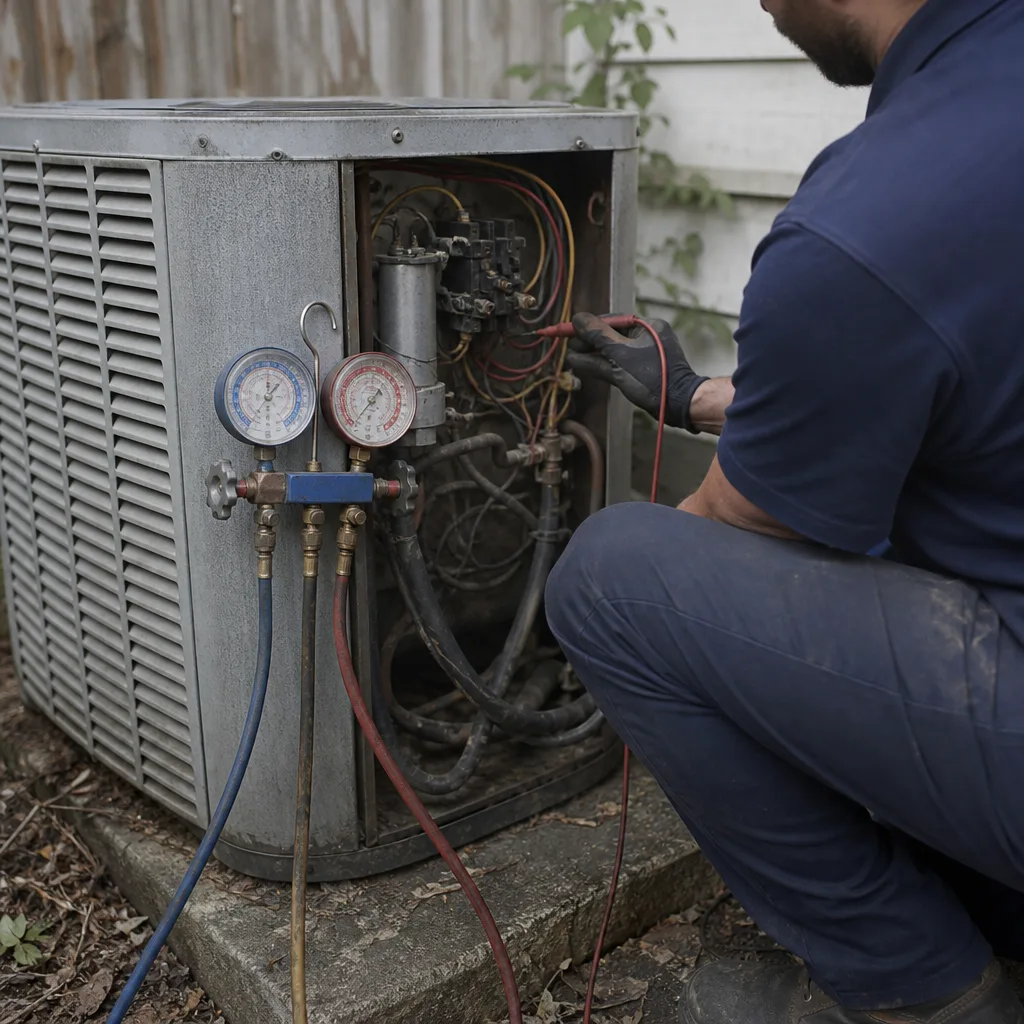 Before
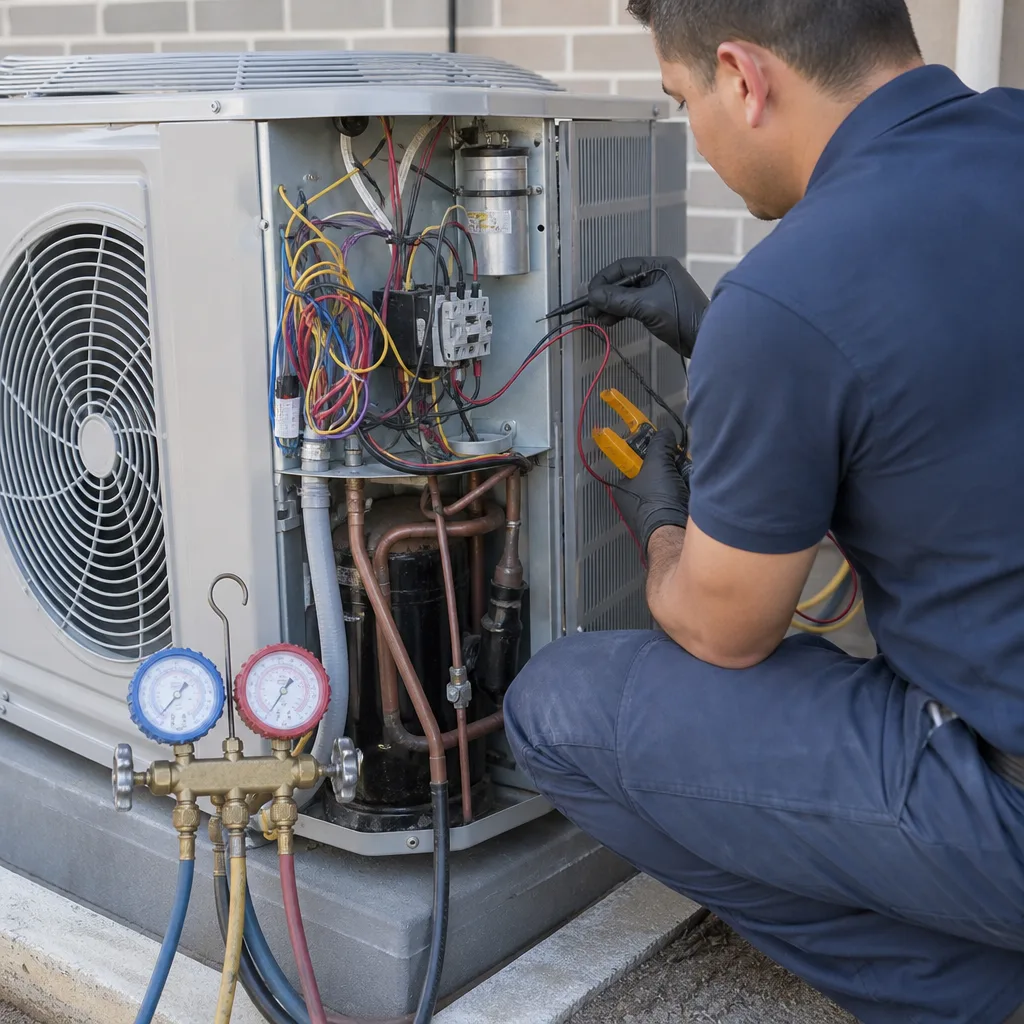
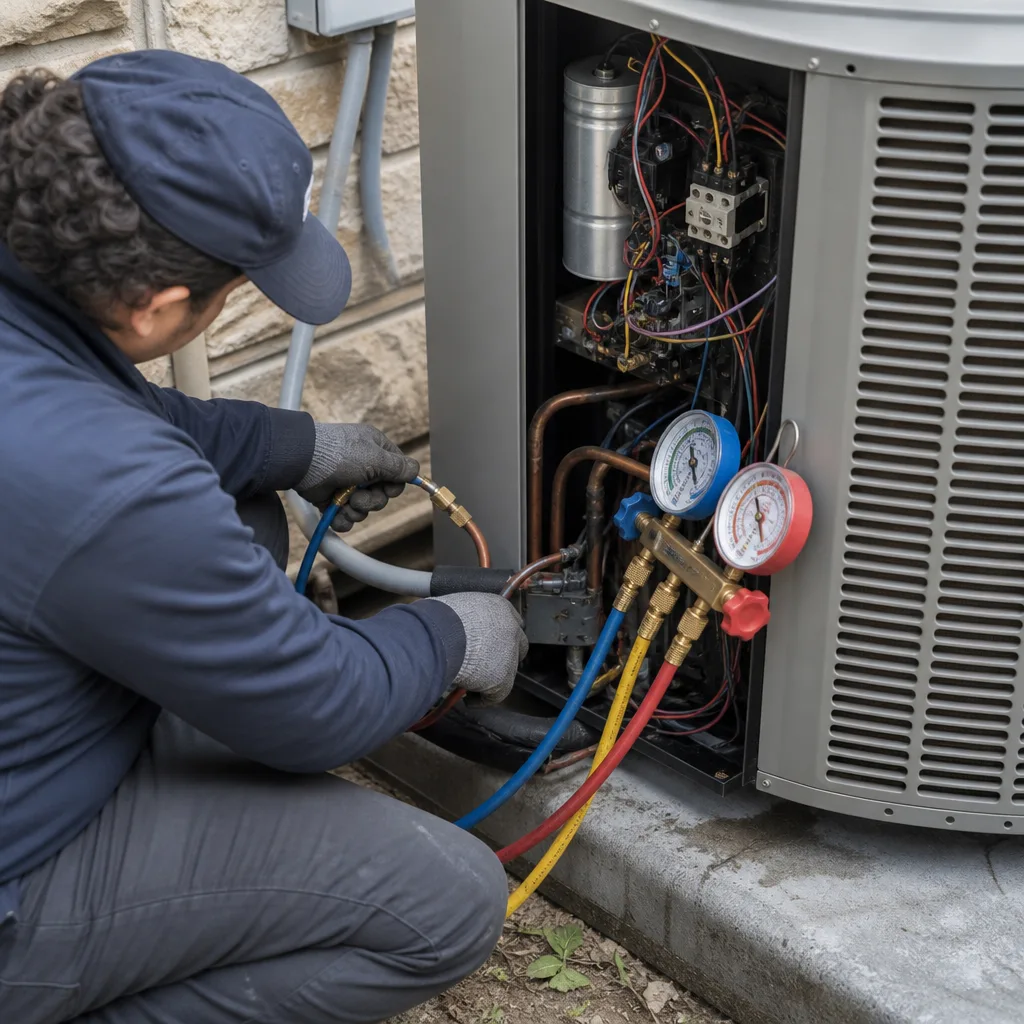 After
After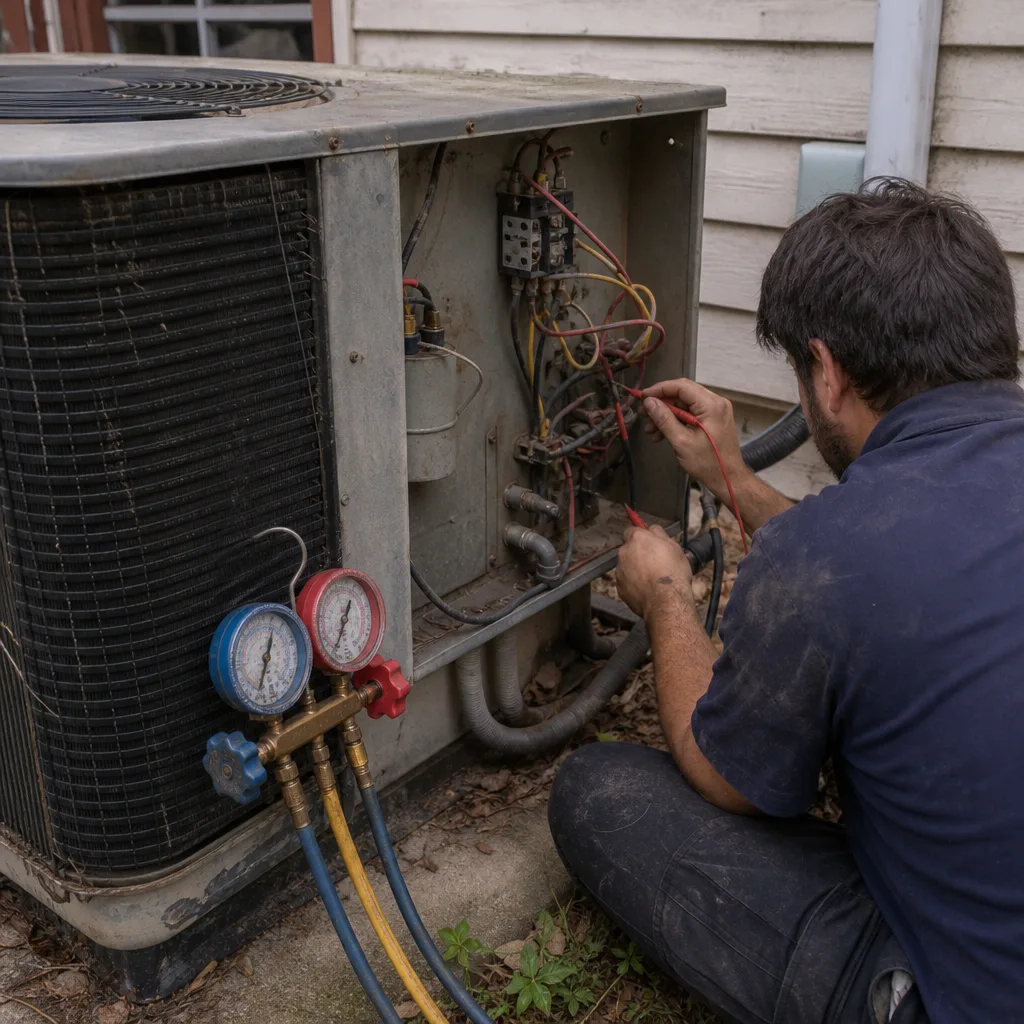 Before
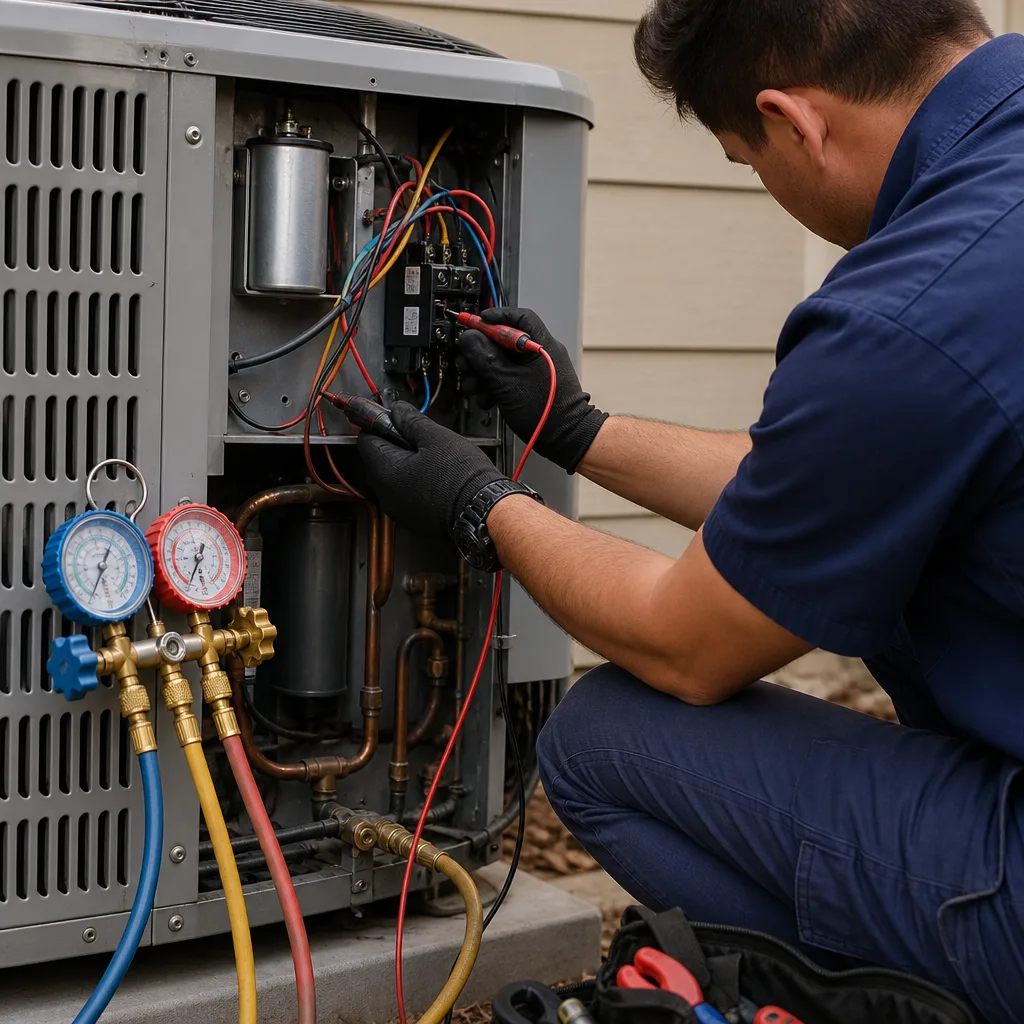 After
After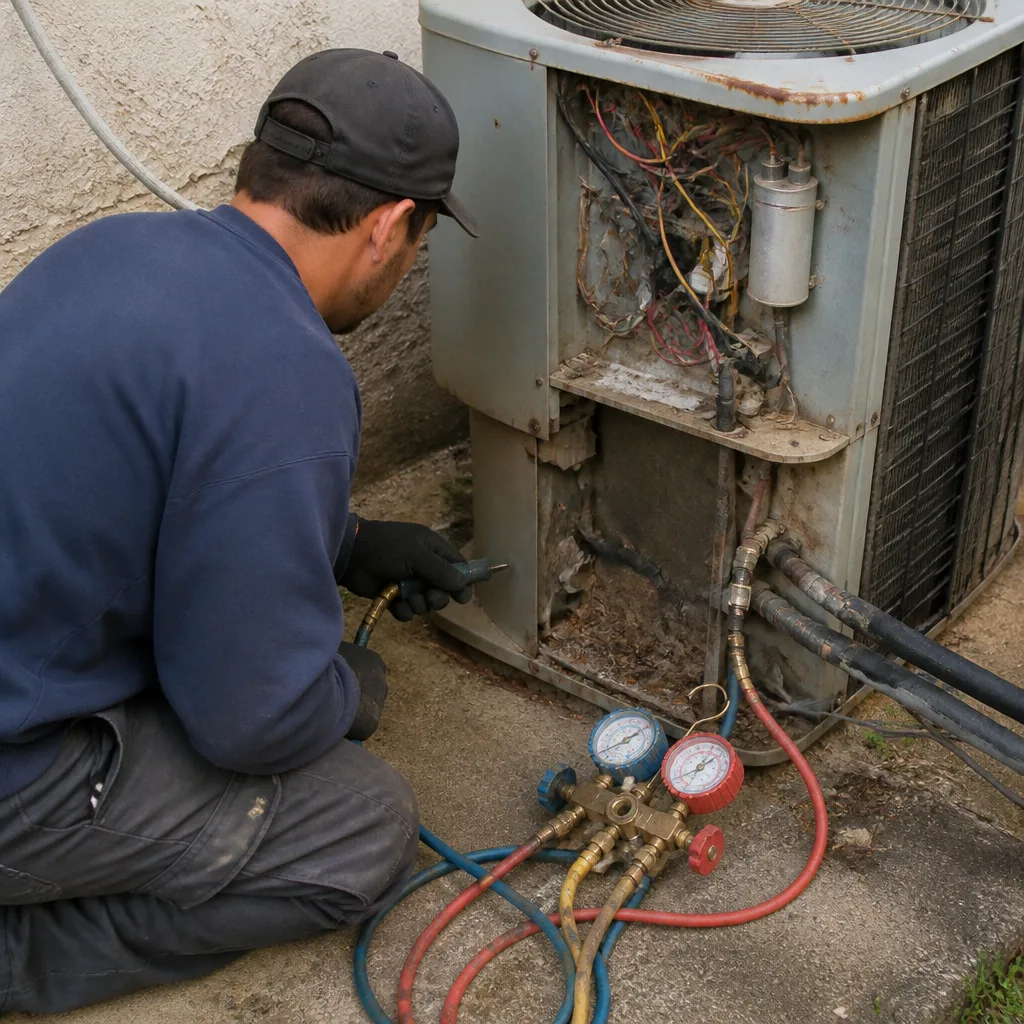 Before
 After
After