
Last updated October 16, 2026
 AC repair
 Furnace & heating
 Heat pumps
 Ductless mini splits
 Carrier
 Trane
Trane Goodman
Seasonal tune-up and full diagnostic on your Carrier, Trane, or Goodman system - readings shown to you before any repair is proposed
Diagnosis first, numbers second - you approve the repair price before a single part goes in.
Get your free estimateSeasonal HVAC Care for Dallas: Year-Round Homeowner’s Guide
February 2021 wasn’t a freak event. Dallas has recorded at least eight hard freezes since 2000, and the pattern is consistent enough that heat pump and pipe-related HVAC failures in February should be on every Dallas homeowner’s preparation list, not treated as a once-in-a-generation surprise. This guide maps the full Dallas year to four distinct stress periods, not the two-season rhythm most national advice assumes. You’ll learn the specific pre-freeze protocol for heat pumps and condensate lines, why October matters more than spring for maintenance, how to manage summer peak demand without cooking in your own living room, and what to photograph after every service visit so your warranty paperwork never gets challenged.
Styles & brands we work with
Quick Answer
Seasonal HVAC care in Dallas means four distinct maintenance windows: a February freeze protocol, a March – April shoulder-season inspection, a before-summer cooling check in May, and a critical October – November heating preparation window. Most homeowners wait until a system fails, but Dallas’s hard freezes, 100-degree summers, and long shoulder seasons punish deferred maintenance harder than almost any other market in the country. A written AC Repair Maintenance Checklist for Dallas Homeowners, a pre-freeze protocol, and documented service records protect both your system and your resale value.
Table of Contents
- Why Dallas Has Four HVAC Stress Periods, Not Two
- The Dallas February Protocol: Pre-Freeze Steps That Prevent Cold-Snap Failures
- March – April and October – November: How Shoulder Seasons Create False Confidence
- Why October and November Are the Most Important Months for Dallas HVAC Maintenance
- Summer Peak-Demand Management: Thermostat Scheduling Around Oncor Peak Hours
- End-of-Season Documentation: What to Photograph, Record, and File
- Common Mistakes to Avoid
- When to Call a Professional
- Frequently Asked Questions
- The Bottom Line
Why Dallas Has Four HVAC Stress Periods, Not Two
Most HVAC maintenance guides are written for places with two seasons: hot and cold. For Dallas-specific guidance, see The Complete Guide to HVAC in Dallas. They assume you run the AC from May to September, the furnace from November to March, and you change the filter every 90 days. That rhythm doesn’t hold in Dallas. Our climate produces four distinct stress periods, and each one damages your system in a different way.
First comes the winter freeze window, typically late January through February. Dallas sees hard freezes often enough that the National Weather Service tracks them as a repeating regional hazard, not an outlier. When temperatures drop into the teens, heat pumps lose capacity, condensate lines freeze, and exposed refrigerant line sets contract. Systems that ran fine in December fail in February because the thermal stress keeps compounding.
Second is the spring shoulder season, March through April. Temperatures swing 40 degrees in a single day. Your system cycles between heating and cooling, sometimes in the same afternoon. That constant mode-switching wears contactors, relays, and reversing valves faster than steady-state operation in either extreme. It’s also when pollen blankets Dallas, and that pollen clogs outdoor condenser coils within weeks.
Third is the summer peak, June through September. Dallas routinely tops 100 degrees for days at a time, and your AC runs 14 to 18 hours daily. Run time is what kills compressors, and Dallas forces more annual run time on a residential system than almost any other major market. Every extra 1,000 hours of operation accelerates wear on capacitors, contactors, and fan motors.
Fourth is the fall shoulder, October through November, which is the most underrated maintenance window in Dallas. The first real cold front hits, your furnace fires for the first time in seven months, and any issue that developed since last winter reveals itself. This is also when you should be checking heat exchanger integrity and carbon monoxide detectors before the heating season locks in.
You can find more guidance on maintaining your cooling system throughout the year in our AC maintenance guide for Dallas homeowners.
The Dallas February Protocol: Pre-Freeze Steps That Prevent Cold-Snap Failures
When Dallas temperatures drop below 25 degrees, the most common HVAC failures we see are frozen condensate lines, heat pump defrost failures, and cracked PVC drain fittings. The February protocol is a specific set of pre-freeze steps you can complete in under an hour, ideally in early January, before the first hard freeze arrives. Most of these failures are preventable with attention to three areas: heat pump operation, exposed line sets, and condensate drainage.
Step 1: Verify Your Heat Pump’s Defrost Cycle Works
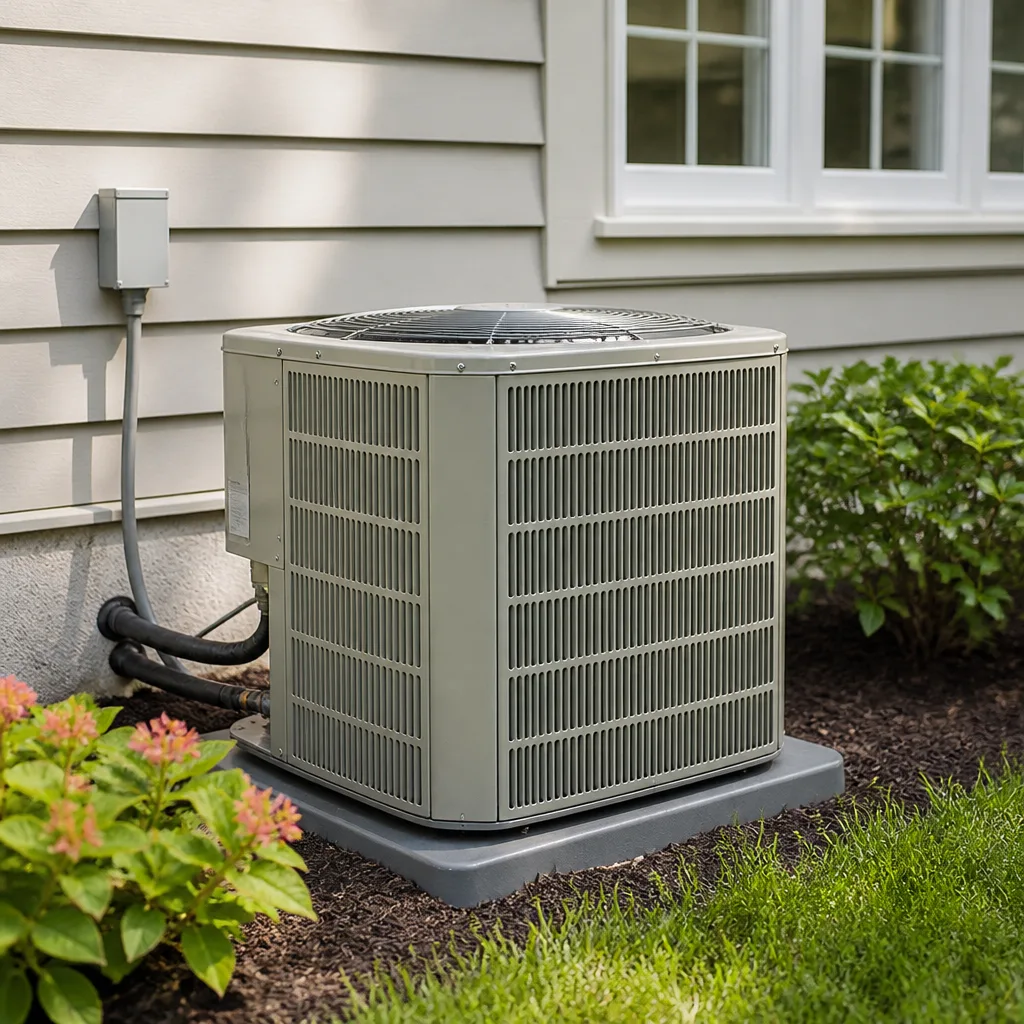
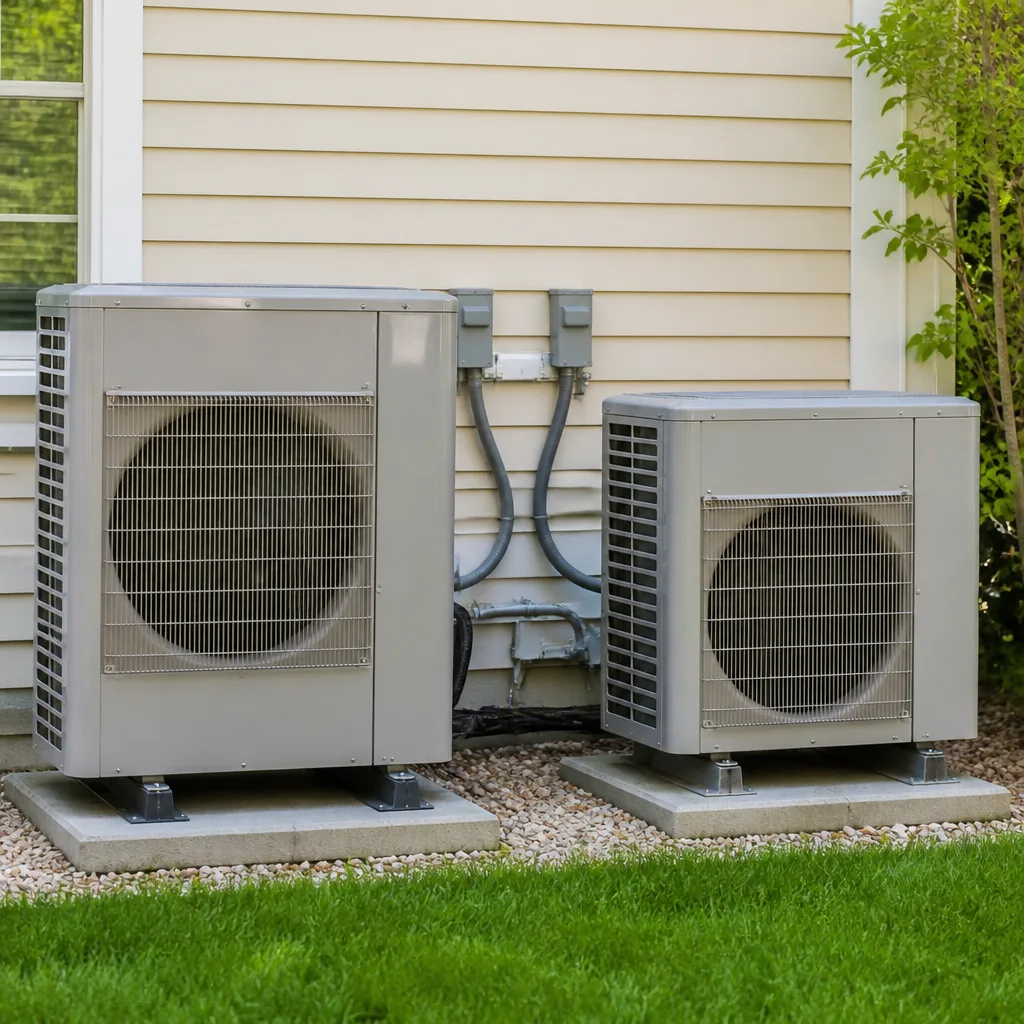
Heat pumps in Dallas homes rely on a defrost cycle to clear ice from the outdoor coil during cold weather. If the defrost board, sensor, or reversing valve fails, ice builds up until the unit locks out. You can test this by running your heat pump on a cold morning (below 40 degrees) and watching the outdoor unit for 30 to 45 minutes. You should see it periodically switch into defrost mode: the outdoor fan stops, you hear a whoosh as the reversing valve shifts, and steam or water vapor rises from the coil. If the unit runs continuously with no defrost cycle, or if ice accumulates thicker than a quarter-inch across the coil, schedule a service call before the real cold hits.
Step 2: Protect Exposed Line Sets and Insulation
The refrigerant line set running from your outdoor condenser to your indoor coil is covered in foam insulation. In Dallas, that foam degrades fast under UV exposure. Walk the line set and look for sections where the insulation is cracked, peeling, or gone entirely. Exposed copper loses heat when your heat pump is running in winter, which reduces efficiency and can cause the line to sweat inside wall cavities. Replace damaged insulation with closed-cell foam rated for outdoor use. While you’re out there, check that the line set is properly secured. High winds during Dallas thunderstorms whip unsecured line sets until the flare fittings develop leaks.
Step 3: Clear and Insulate Condensate Lines
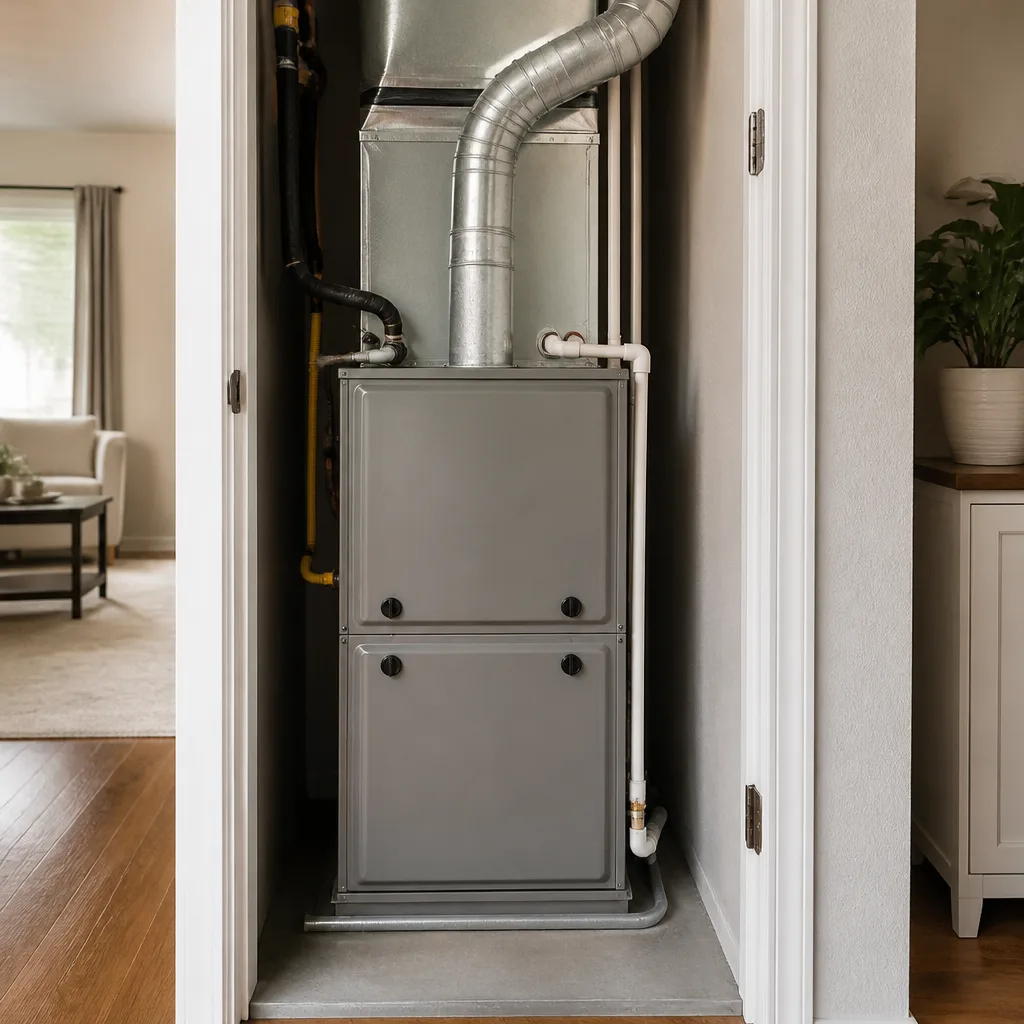
Condensate lines on high-efficiency furnaces drain continuously during winter operation, and that water freezes at the discharge point when temperatures drop. The fix is simple: make sure the PVC drain line slopes away from the house, clear any leaves or dirt from the discharge opening, and if your drain exits near a walkway, consider adding a short section of heat tape. For heat pump systems, check the drain pan under the indoor coil. If the pan holds water year-round, the drain is partially clogged, and that water will freeze solid in February and trigger a float switch shutdown. Pour a cup of white vinegar down the drain line every 90 days to discourage algae growth, which is the most common cause of Dallas condensate clogs.
If your system fails during a cold snap, our furnace repair team in Dallas responds to no-heat calls the same day, with a written quote before any work starts.
March – April and October – November: How Shoulder Seasons Create False Confidence
Dallas shoulder seasons are comfortable enough that your HVAC system barely runs. That’s exactly the problem. When the system isn’t running, you can’t hear the failing bearing, smell the mold growing in the drain pan, or notice that the AC is short-cycling because it never stays on long enough to complete a cooling cycle. Problems develop silently in March and April, then announce themselves with a failure during the first 95-degree week of June.
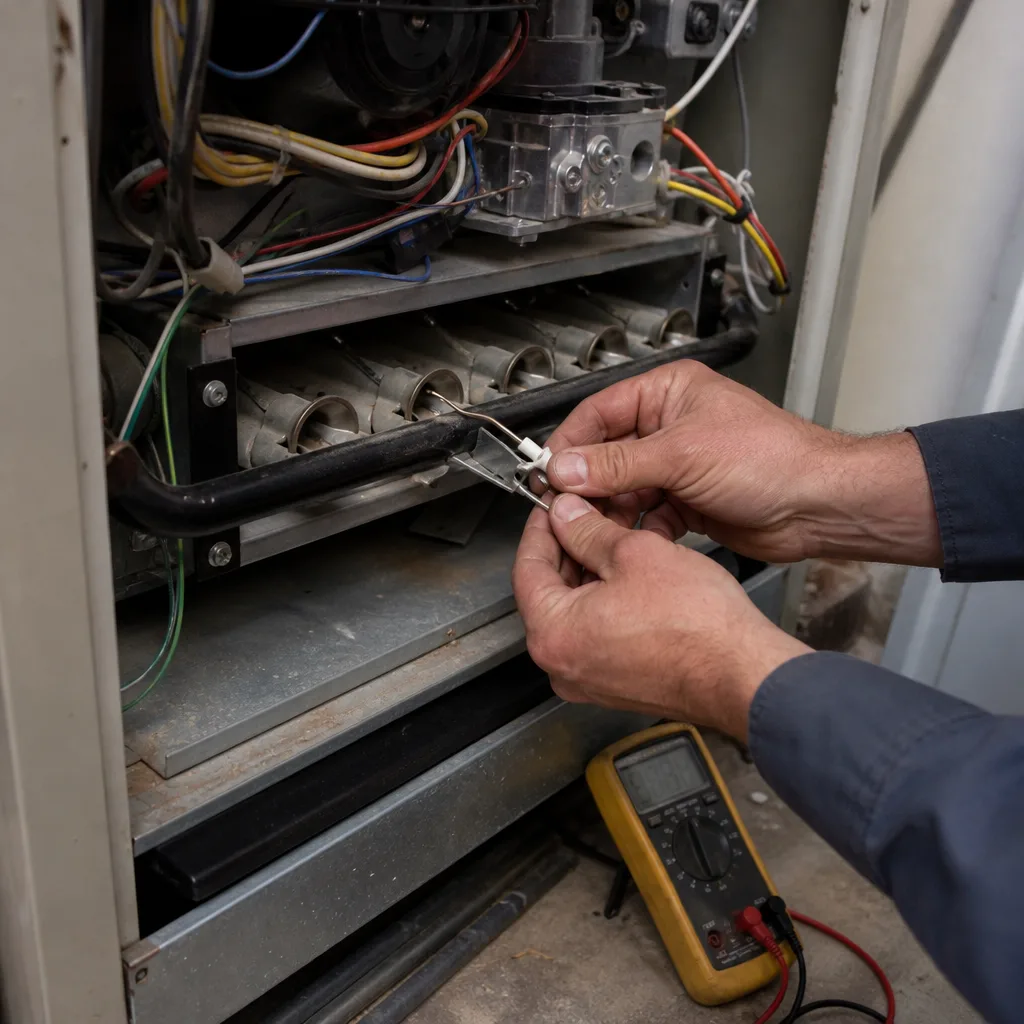
In our experience in Dallas, about 70% of the cooling failures we see in June could have been caught in April with a simple inspection. The same pattern repeats in fall: October’s mild weather hides furnace issues until the first hard freeze, when a cracked heat exchanger or failed igniter becomes a no-heat emergency at the worst possible moment.
The fix is counterintuitive but effective: run your system for 20 minutes during shoulder seasons even when you don’t need it. In March, set the AC to 72 for half an hour and listen for unusual noises, watch for short cycling, and check that airflow from registers feels strong. In October, run the furnace to 72 and do the same. This “shoulder-season test run” costs pennies and catches failures before they become emergencies. Write down what you observe. If anything seems off, schedule an inspection while the weather is mild and technicians aren’t already booked solid responding to breakdowns.
Shoulder season is also pollen season in Dallas. Live oak, ragweed, and mountain cedar coat condenser coils with a fine layer that restricts airflow and drives up compressor pressure. A coil cleaning in April and again in October prevents the slow efficiency decline that shows up as higher summer electric bills.
Why October and November Are the Most Important Months for Dallas HVAC Maintenance
Most national guides push spring maintenance for air conditioning. In Dallas, October and November matter more, for three reasons that are specific to this market.
First, Dallas heating systems sit idle for seven months. From April through October, your furnace collects dust, rust, and sometimes insect nests inside the burner assembly. The first firing of the season is when latent problems surface: gas valve failures, igniter cracks, blower motor bearings seized from sitting. If you catch these in October, you fix them on your schedule. If you wait until December, you’re calling for emergency service on the same day everyone else in Dallas also discovered their furnace won’t light.
Second, carbon monoxide risk compounds in fall. Furnace heat exchangers crack over time from repeated heating and cooling cycles. A small crack in April becomes a larger crack by November. During the first sustained heating run, that crack expands and can release combustion gases into your home. Dallas homes built before 2000 often have furnaces that are 20+ years old and well past the point where heat exchanger inspection is a formality. Before the heating season, check your carbon monoxide detectors (replace batteries, confirm they’re under 7 years old) and schedule a furnace inspection that includes heat exchanger evaluation.
Third, October and November are when you can still schedule on your terms. Dallas HVAC companies, including Brandt HVAC Co Dallas, see wait times stretch to days or longer once the first hard freeze hits. In October, you can book a maintenance visit within a day or two, at a time that suits your schedule. The same call in February might mean waiting while your house is 45 degrees inside.
During October and November maintenance, a technician should check: heat exchanger integrity, gas pressure, igniter condition, flame sensor cleanliness, blower motor amperage, condensate drain flow, and carbon monoxide levels at the register. If you need furnace work before the cold settles in, see our Dallas furnace repair page for details on what we check and how we quote.
Summer Peak-Demand Management: Thermostat Scheduling Around Oncor Peak Hours
Dallas summer electric bills aren’t just about how much cooling you use. They’re about when you use it. Oncor’s residential time-of-use rates (if you’re enrolled) and ERCOT’s overall grid stress peak between 3 p.m. and 7 p.m. from June through September. Running your AC hard during those hours costs more per kilowatt-hour and adds more wear to your compressor than the same amount of cooling delivered at 8 p.m.
The smart thermostat strategy for Dallas is called pre-cooling. Here’s how it works:
- Set your thermostat to 72 or 73 degrees by 2 p.m. During the morning and early afternoon, when rates are lower and your system isn’t fighting triple-digit outdoor temperatures yet, run the AC to pull the house temperature down below your comfort setpoint.
- Raise the setpoint to 78 degrees from 3 p.m. to 7 p.m. Your home acts as a thermal battery. The mass of the walls, floors, and furniture holds the cooler temperature through the peak window. The compressor cycles less, the blower moves air at lower fan speeds, and you avoid the demand surge that drives up your bill.
- Return to 74 degrees after 7 p.m. Once outdoor temperatures start dropping and grid demand falls, you can run the AC normally. This overnight cooling also puts your system under less pressure, since it’s moving heat into cooler evening air instead of 105-degree afternoon air.
This schedule matters for system longevity too. A compressor that runs continuously from 2 p.m. to 8 p.m. during a Dallas heat wave accumulates more internal heat than it can shed. Head pressure climbs, the refrigerant breaks down faster, and the run capacitor – already stressed by high ambient temperatures – fails. The pre-cooling schedule buys your compressor four to six fewer hours of peak-load operation per day.
A note for heat pump owners: this same schedule works in winter, but in reverse. Warm the house to 72 by mid-morning, let the temperature drift down to 68 during the evening peak (roughly 6 p.m. to 9 p.m. in winter), then return to 70 overnight. Heat pumps in Dallas are sized for cooling load; when they’re asked to hold 72 degrees against a 25-degree night, they run near-continuously. Giving them a slight setback during peak demand reduces that load without sacrificing comfort.
If your AC struggles to keep up during Dallas summer afternoons even with pre-cooling, that’s a sign of a deeper issue: low refrigerant, a dirty outdoor coil, or a failing compressor. Our AC repair team in Dallas can diagnose it with a written quote before any work begins.
End-of-Season Documentation: What to Photograph, Record, and File
Most Dallas homeowners treat HVAC service visits as done when the technician drives away. But the paperwork from those visits is worth real money: it drives resale disclosure, supports warranty claims, and creates a maintenance history that buyers and home inspectors pay attention to. Here’s what to capture after every service visit, season by season.
Photograph These Items After Every Visit
- The service invoice and the written guarantee. Every repair at Brandt HVAC Co Dallas includes a written guarantee stating exactly what’s covered and for how long. Photograph it and file it.
- The equipment data plates. The model and serial number on your outdoor condenser, indoor coil, and furnace. When a part fails under warranty, the manufacturer requires this information. Having it photographed saves you a trip into the attic or crawlspace. If you have a Lennox, Goodman, Rheem, or York system, the data plate is usually on the side or back of the unit, and it fades over time in Dallas sun. Photograph it while it’s still legible.
- Before-and-after photos of repairs. A photo of the failed capacitor, the corroded contactor, or the cracked drain pan tells the next technician what’s been done. It also proves to a buyer that you maintained the system, even if you lost the paper invoice.
- The technician’s work. If the technician cleans the condenser coil, shows you a cracked heat exchanger, or replaces a fan motor, photograph the finished work. Dallas home inspectors and warranty adjusters respond to visual evidence.
Record in a Simple Log
Keep a running document – a Notes app entry, a spreadsheet, or a paper file – with one line per service event. Include the date, the company name, the technician’s name, the work performed, the price quoted, the price paid, and the guarantee period. When you sell your Dallas home, this log demonstrates a maintenance discipline that most sellers can’t produce. It also speeds up your own warranty claims: if a Goodman compressor fails 14 months after replacement, the log shows exactly when it was installed and who did the work.
We recommend photographing the outside condenser after every major clean, so you can show that coils were kept clear through pollen season. Dallas buyers ask about HVAC condition; sellers who can show five years of documented seasonal maintenance close faster and get fewer repair requests after inspection.
Common Mistakes to Avoid
- Skipping October maintenance because “the furnace worked fine last winter.” Seven months of idle time is exactly why failures develop. The first cold snap in Dallas is when furnaces across the city fail simultaneously, and wait times spike.
- Changing the filter only when you remember. Dallas pollen and dust load filters faster than national averages. A 1-inch filter needs replacement every 30 to 60 days during spring and summer, not every 90. A clogged filter raises blower motor amperage and reduces airflow across the coil, which leads to coil freeze-ups in summer.
- Setting the thermostat to 68 in summer “to cool the house faster.” Your AC cools at a fixed rate. Setting it lower doesn’t make it work harder; it just runs longer. The extra run time adds wear without adding comfort. Set the temperature you want and let the system cycle.
- Ignoring a frozen indoor coil. In Dallas’s humidity, a frozen coil is almost always an airflow or refrigerant problem, not just “too cold outside.” Running the system with a frozen coil strains the compressor and can send liquid refrigerant back to the compressor, which shortens its life. If you see ice on the copper line set or indoor coil, shut the system off and call for service.
- Blocking return air vents with furniture or rugs. Restricted return airflow drops static pressure, which makes the blower work harder and can cause the evaporator coil to freeze. Dallas homes often have return vents in hallways or under windows; keep them clear of obstructions.
- Assuming your home inspector checked the HVAC thoroughly. Most Dallas home inspections include a visual check of the equipment, not a functional test. A heat exchanger crack, a failing run capacitor, or a low refrigerant charge can pass a visual inspection and fail six months later. When buying a Dallas home, budget for a dedicated HVAC inspection.
- Waiting until the first 100-degree week to schedule summer maintenance. By the time Dallas hits sustained triple digits, every HVAC company in the metroplex is booked solid responding to breakdowns. May is the time to schedule a cooling check, when the weather is still mild and your system is about to start its hardest work for the year.
When to Call a Professional
Some seasonal maintenance tasks you can handle yourself: filter changes, clearing debris from around the outdoor unit, making sure return vents are unobstructed, and the shoulder-season test run. But certain situations call for experienced hands, and delaying them usually makes the problem worse. See our DIY vs Professional HVAC: The Dallas Homeowner’s Decision Guide for the full breakdown. Call a professional if you hear grinding or squealing from the outdoor unit (bad fan motor or compressor bearing), if your system short-cycles (runs less than 10 minutes at a time), if the furnace smells like gas or you suspect a heat exchanger crack, if ice forms on the line set or indoor coil in summer, or if your energy bills spike 20% or more with no change in usage. On the heating side, any suspected gas leak or carbon monoxide alarm means shut the system down, ventilate, and call immediately. Brandt HVAC Co Dallas offers free estimates in Dallas – call (325) 312-3269 and a live person will answer, 24/7, no phone tree.
Frequently Asked Questions
In Dallas, change 1-inch filters every 30 to 60 days during spring (pollen season) and summer (peak dust and AC run time), and every 60 to 90 days in fall and winter. Homes with pets or nearby construction should change more frequently. A clogged filter is the most common cause of preventable HVAC failures we see in Dallas.
For most Dallas homeowners, 75 to 78 degrees during the day with a 2 to 4 degree setback at night works well. The pre-cooling strategy – 72 by 2 p.m., 78 from 3 to 7 p.m., then 74 after 7 p.m. – reduces peak demand and compressor strain while keeping the house comfortable. If you’re home all day, 76 with ceiling fans running feels like 73 and cuts your cooling bill meaningfully.
You can handle filter changes, coil cleaning (with a garden hose and mild coil cleaner, power off), condensate line vinegar flushes, and clearing debris from around the outdoor unit. You should not open the sealed refrigerant system, attempt electrical work on the capacitor or contactor, or inspect the heat exchanger yourself. Refrigerant handling requires EPA certification, and capacitors store lethal voltage even with the power off. Call a licensed technician for those items – estimates are free at (325) 312-3269.
Seasonal HVAC maintenance in Dallas typically runs $90 to $180 per visit for a single system. Annual maintenance agreements, which include two visits per year (spring cooling check and fall heating check), usually cost $150 to $300 total, depending on the scope. At Brandt HVAC Co Dallas, every visit begins with a written price before any work starts, so you know the exact cost before we touch the system.
In Dallas, the answer usually comes down to age and repair cost. If your system is under 10 years old and the repair costs less than 30% of replacement cost, repair it. If it’s over 15 years old and the repair involves the compressor, heat exchanger, or coil, replacement usually makes more financial sense. Dallas summers are brutal enough that an aging system running at reduced efficiency costs you more in energy every month than the payment on a new one. Get a written repair quote and a replacement quote side by side before deciding.
Yes. In Dallas, systems that receive two maintenance visits per year (spring and fall) last 3 to 5 years longer on average than systems that receive none, and they use 10 to 15% less energy. Given that Dallas summers push residential AC systems to 2,000+ run hours annually, the maintenance visit is the cheapest insurance you can buy against a July compressor failure or a February no-heat night. Our maintenance visits include a written report of what we found, what we fixed, and what we recommend watching.
The Bottom Line
Dallas HVAC systems don’t follow a two-season rhythm. They face four distinct stress periods: a February freeze window that punishes unprepared heat pumps and condensate lines, a pollen-heavy spring shoulder season that hides developing failures, a brutal summer peak that runs compressors harder than most other markets, and a fall window where furnace problems surface after seven months of idle time. The homeowners who thrive here maintain their systems on Dallas’s schedule, not a generic national calendar. Explore more guides & resources to keep your system running year-round. Run shoulder-season test cycles, complete the February protocol before the first hard freeze, pre-cool your home during Oncor peak hours, and document every service event. If anything seems off, call (325) 312-3269 for a free estimate – a live person answers, every time, and every job starts with a written price before work begins.
Written by Devin Marlowe, Owner at Brandt HVAC Co Dallas, serving Dallas since 2003.
See the difference
 Before
 After
After Before
 After
After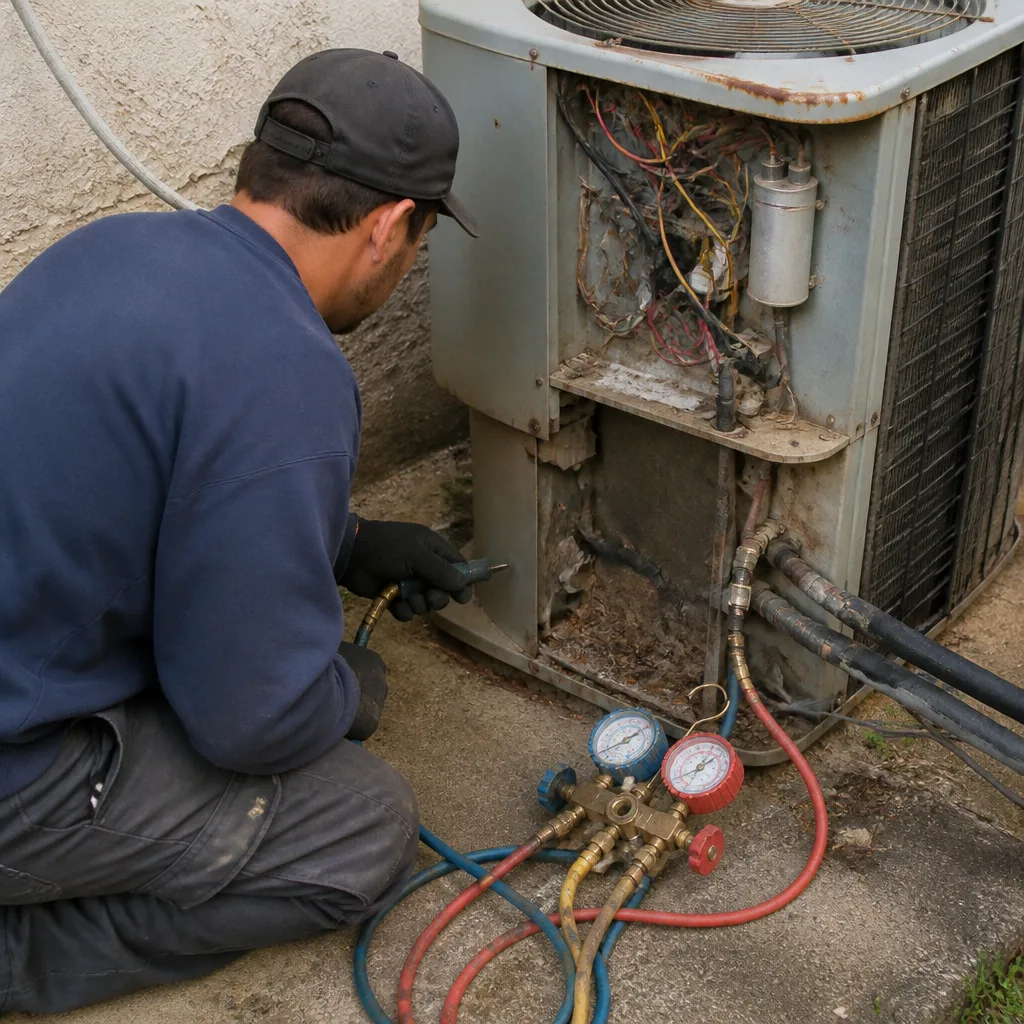 Before
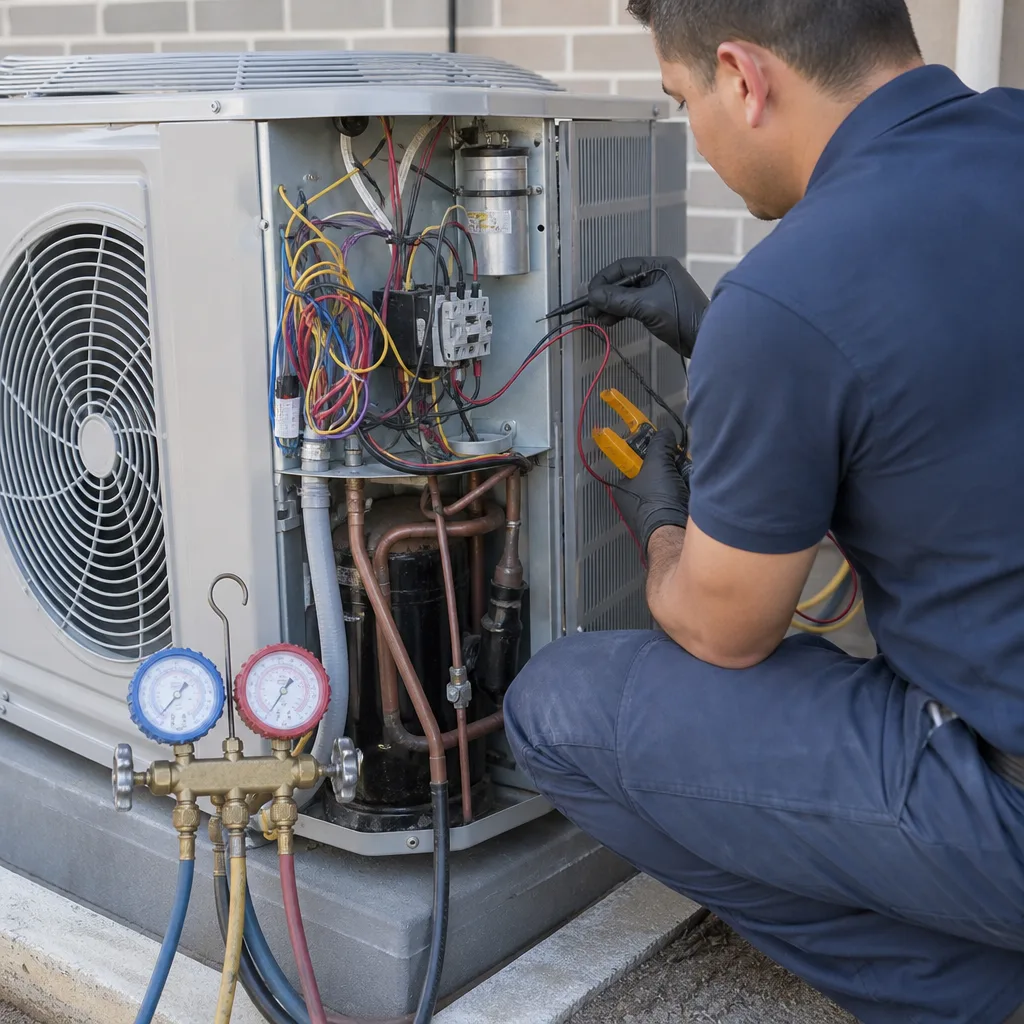 After
After