
Last updated October 16, 2026
 AC repair
 Furnace & heating
 Heat pumps
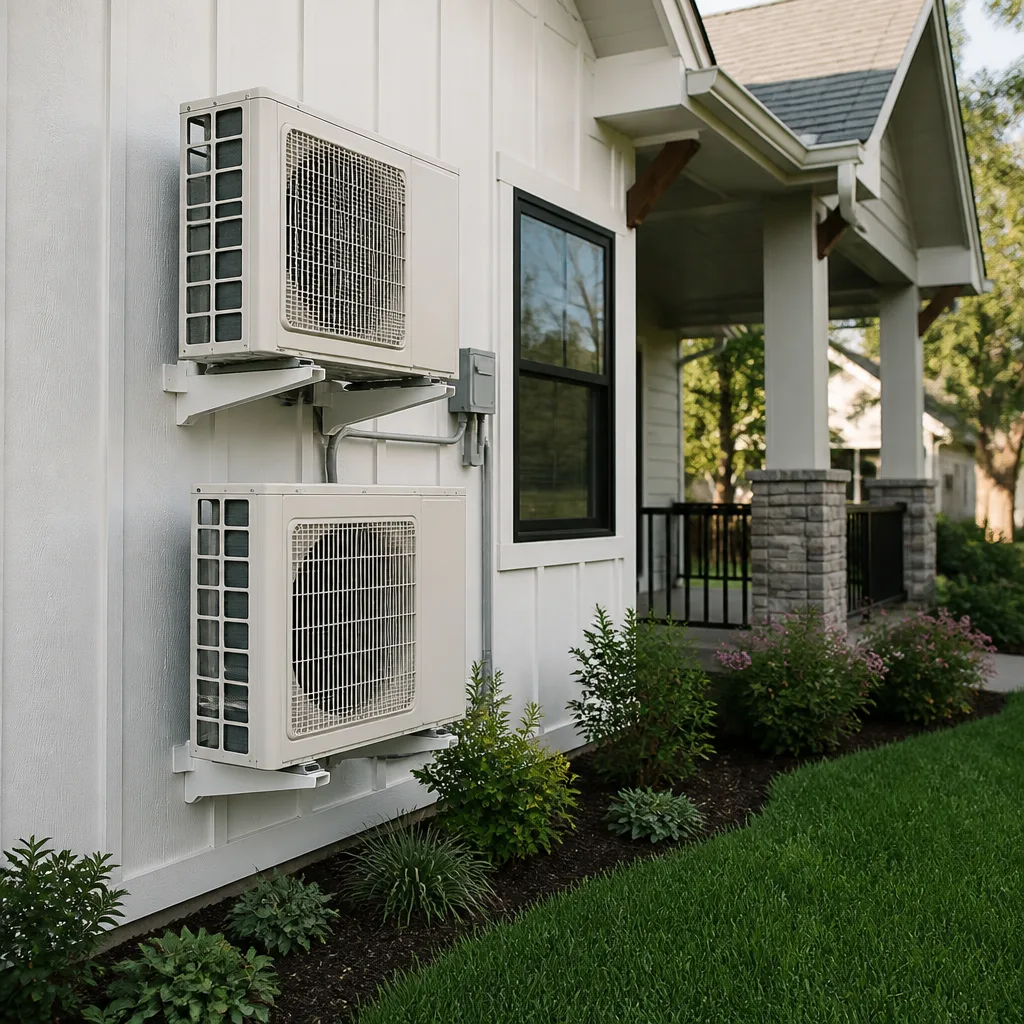 Ductless mini splits
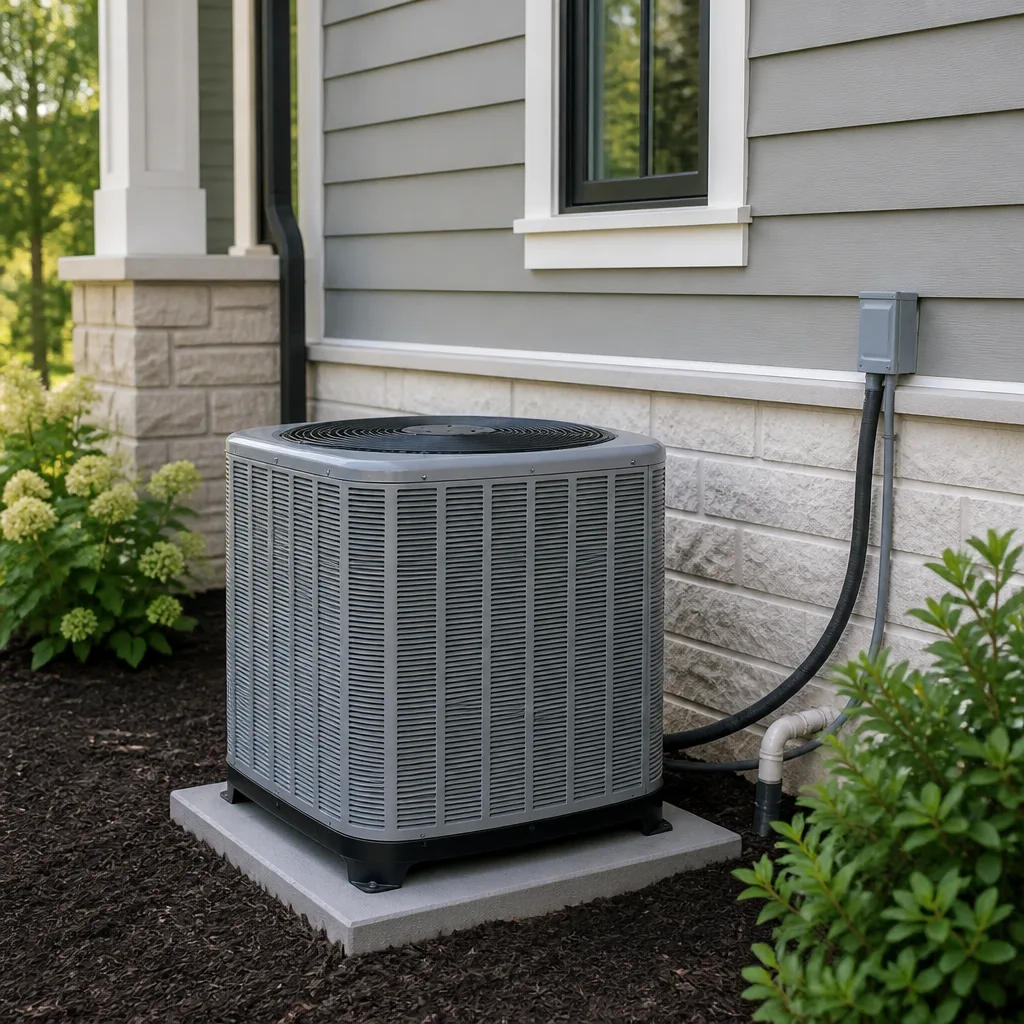 Carrier
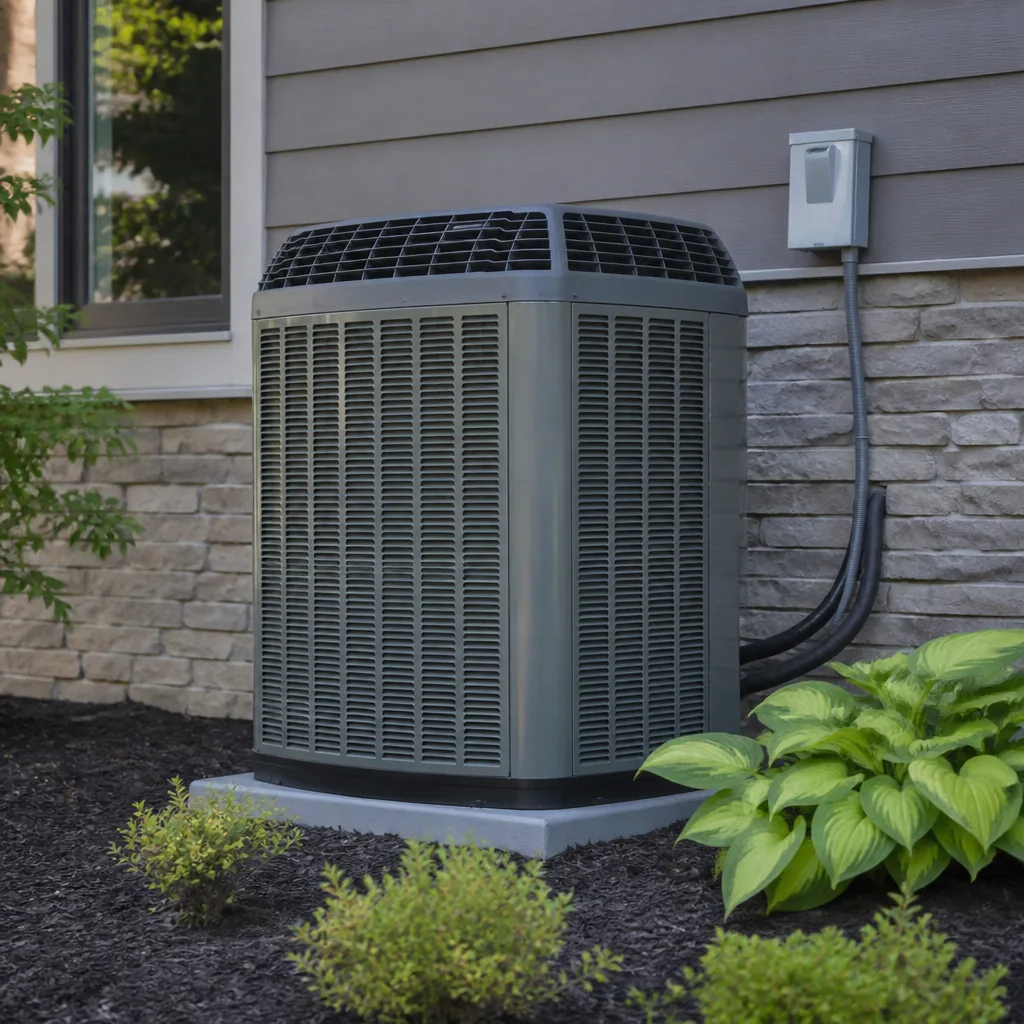 Trane
Trane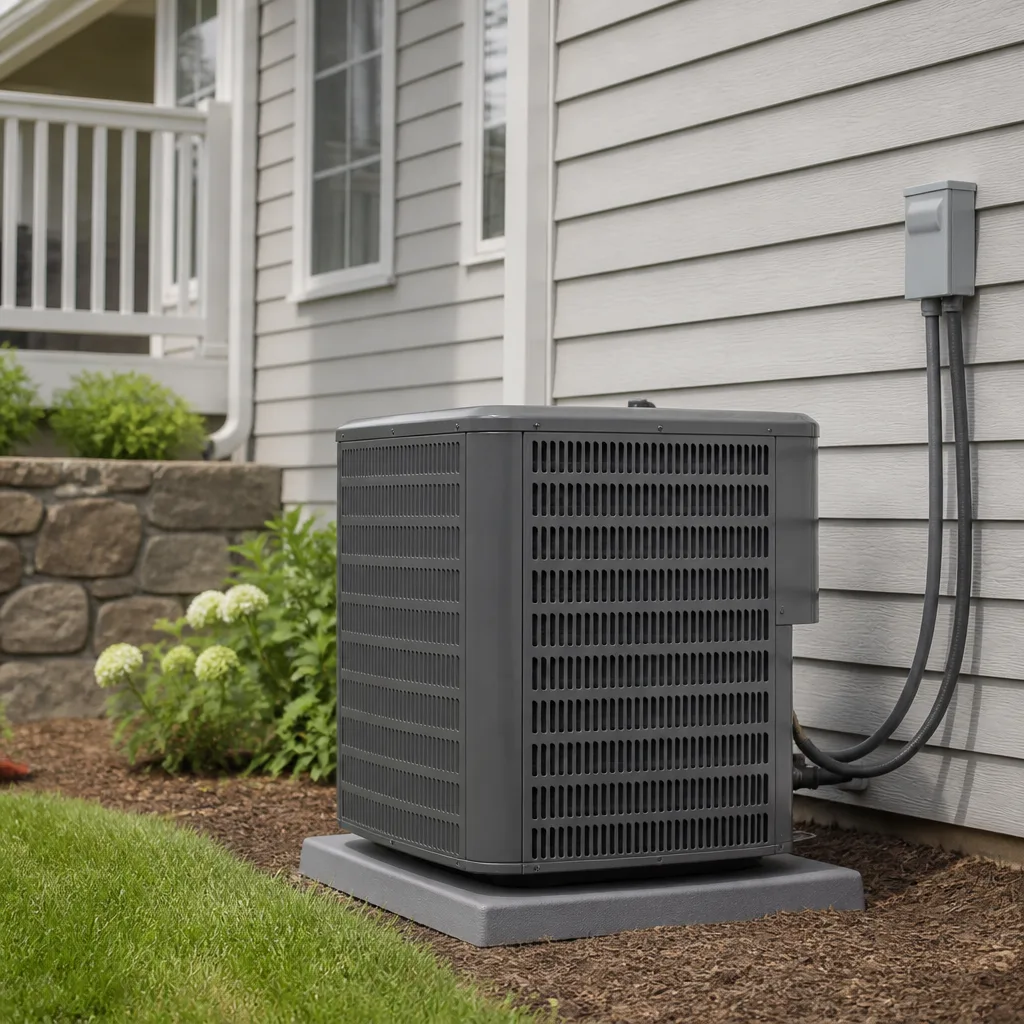 Goodman
Seasonal tune-up and full diagnostic on your Carrier, Trane, or Goodman system - readings shown to you before any repair is proposed
Diagnosis first, numbers second - you approve the repair price before a single part goes in.
Get your free estimateAC Repair Maintenance Checklist for Dallas Homeowners
The single most common reason Dallas AC systems fail during a heat emergency isn’t a broken compressor. It’s a clogged condensate drain line that tripped the float switch. That tiny clog costs about $80 to clear in March. The same clog on a Saturday afternoon in August, when your ceiling is reading 94 degrees and every technician in Dallas County is running six calls deep, runs $400 or more. This guide is built around that reality. Every item on this checklist ties to a specific failure mode we see in Dallas, and every task is timed to the calendar North Texas actually lives by, not a generic spring-and-fall split. By the time you finish reading, you’ll know exactly what to check, when to check it, why it matters here, and which three things actually prevent most emergency calls.
Styles & brands we work with
Quick Answer
The most effective AC maintenance checklist for a Dallas homeowner is a month-by-month schedule centered on May’s pre-summer load test, monthly air filter checks tailored to cedar and ragweed seasons, quarterly condensate drain flushes from March through October, and a post-hailstorm outdoor unit inspection. Focus your effort on airflow, condensate drainage, and capacitor health, because those three account for the majority of Dallas AC failures that turn into emergency service calls between June and September.
Table of Contents
- Why Dallas Needs a Different AC Checklist
- The Dallas Month-by-Month Maintenance Calendar
- The Condensate Drain Line: Dallas’s Number One Overlooked Failure Point
- Post-Hailstorm Outdoor Unit Inspection
- Filter MERV Ratings vs. Blower Motor Airflow
- The Pre-Summer Load Test: 30 Minutes That Prevent July Emergencies
- Common Mistakes to Avoid
- When to Call a Professional
- Frequently Asked Questions
- The Bottom Line
Why Dallas Needs a Different AC Checklist
A generic AC maintenance checklist tells you to change your filter and hose off your outdoor unit. That advice ignores what actually happens when a system runs 2,400 cooling hours a year in Dallas heat, sits through freeze warnings in February, and gets pelted by hail in April. Our summers are longer, our humidity spikes harder, and our spring storms are more violent than what most national checklists were written for. In our experience, the homeowners who follow a Dallas-specific schedule call us once every few years for minor items. The homeowners who follow the manufacturer’s generic brochure call us on July 18th with a dead system and a house full of heat. The difference isn’t effort. It’s matching the task to the failure mode that actually occurs in this climate. Here is the checklist we would hand a homeowner in Lakewood, Richardson, or Oak Cliff if they asked us what to do and when to do it.
Dallas cooling season runs roughly from late April through mid-October. That’s six months of continuous load. Winter brings freeze warnings that can burst an outdoor condensate line if water sits in it. Spring brings cedar pollen from December through February, then oak and grass pollen through April. Every one of those conditions changes what your AC system needs and when it needs it. If you remember nothing else from this guide, remember this: in Dallas, maintenance is not a spring checklist. It’s a calendar habit.
The Dallas Month-by-Month Maintenance Calendar
January and February: Freeze Watch Months
- Check the outdoor unit for ice accumulation. A thin layer of frost on the coil during a brief cold snap is normal for a heat pump. Thick ice, or ice on the fan blades, is not. If you see it, shut the system down at the thermostat and call for service. Running an iced-over outdoor unit can bend fan blades and damage the compressor.
- Verify the condensate drain line has dried out. If your drain line exits near the ground and water froze in it during a January freeze, the line can crack. A cracked drain line leaks into the emergency pan or onto your ceiling the first time the AC runs in spring.
- Change the air filter. Cedar pollen peaks in Dallas from late December through February. A filter that ran all fall is already loaded, and a loaded filter forces the blower to work harder during every heating cycle.
March and April: Storm Prep and First Cooling Call
- Flush the condensate drain line. This is the single highest-value task on this entire checklist. Instructions in the next section. Do it in March before humidity climbs.
- Schedule a spring cooling check. Yes, this is the one pro task on the calendar, and it’s worth doing before the first 85-degree day, not after. A technician checks refrigerant charge, capacitor strength, contactor wear, and thermostat calibration in about an hour. If you’re hiring AC repair in Dallas, the same technicians who do emergency calls are the ones who do spring checks, which means they know what fails in July.
- Walk the outdoor unit after any hail-producing storm. Detailed inspection steps below.
- Check windows and weather stripping. A Dallas house leaks cooled air through the same gaps it leaks heated air. Fixing obvious drafts before cooling season starts pays back more than any filter upgrade.
May: The Pre-Summer Month
- Run the pre-summer load test. Full 30-minute procedure in a later section. This catches weak capacitors and low refrigerant before they become August outages.
- Set the thermostat to a consistent schedule. A programmable or smart thermostat that raises the setpoint 5 to 7 degrees while you’re at work will cut cooling costs in a Dallas summer without stressing the system. Don’t let the house swing more than 10 degrees; a big recovery load every evening wears contactors faster.
- Verify the drain line float switch works. Pull the float switch up with the system running. The AC should shut off. If it doesn’t, the switch is stuck or disconnected. That’s the exact part that would have prevented the August flood.
June through September: Peak Load Discipline
- Change the filter every 30 days if you run a MERV 11 or higher filter, and every 90 days if you run MERV 8. More detail below, but the short version is that Dallas allergen seasons and high-MERV filters combine to starve blower motors in exactly the months when they work hardest.
- Check the condensate drain line once a month. Mid-summer in Dallas means humidity. Humidity means biological growth in the drain line. Growth means clogs. Flush the line monthly from June through August, or pour a cup of white vinegar down it on the first of each month.
- Look at the outdoor unit every time you mow. Grass clippings blown against the coil restrict airflow. Rinse the coil with a garden hose (system off) whenever you see buildup.
- Listen for seven-second startups. If the compressor starts and stops within ten seconds, or you hear a rapid clicking from the outdoor unit, that’s a capacitor failing. Don’t keep running it. Call for service the same day, because it will fail completely within days, and it will fail on the hottest day of the week.
October and November: Cool-Down Walkthrough
- Change the filter before heating season. Once the AC stops running daily, the filter can go longer between changes, but start the heating season clean.
- Cover or winterize the outdoor unit if you have a seasonal cover designed for it. Do not wrap the unit in plastic. Plastic traps moisture and accelerates rust. A breathable cover is fine; nothing is also fine.
- Pour one last cup of vinegar down the condensate drain. It helps clear residue before the line sits inactive all winter.
December: End of Year Check
- Test heating mode before the first cold snap. Turn the system to heat and let it run fifteen minutes. If the air feels cool or smells like burnt dust the first cycle, that’s normal. If the outdoor unit (on a heat pump) doesn’t run at all, call for a check.
- Make sure the thermostat batteries are fresh. A dead thermostat battery on a January morning is a self-inflicted emergency call.
- Walk the house and close foundation vents. Dallas freeze warnings will crack an exposed pipe or line faster than almost anything else. Pipes and drain lines near exterior walls need protection.
If you want a professional to handle the seasonal checks, our AC maintenance in Dallas covers the detailed tasks: coil cleaning, refrigerant verification, capacitor testing, drain flush, and a written report of what was found. The calendar above is the homeowner-level version, and it prevents most of what we get called for.
The Condensate Drain Line: Dallas’s Number One Overlooked Failure Point
Here is the failure that costs Dallas homeowners more money than any other single AC problem. When your AC runs, it pulls moisture out of the air. That water drips into a drain pan and flows through a PVC pipe, usually to a bathroom sink, a floor drain, or outside. Dallas summers push humidity high enough that this line stays wet for months. Algae and mildew grow inside the wet, dark pipe. The growth catches dust and debris. The line clogs. The pan fills. A float switch shuts the system off, or worse, the pan overflows into your ceiling.
The frustrating part is that this is entirely preventable in about ten minutes.
How to Flush a Condensate Drain Line
- Locate the drain line. You’re looking for a PVC pipe, usually 3/4 inch, poking up near the indoor air handler (often in a closet, attic, or garage). It has a cap or an open T-fitting.
- Turn the AC off at the thermostat. You don’t want the system running while you’re working on it.
- Pour one cup of white vinegar down the line. Vinegar kills the algae and breaks up the sludge. Let it sit 30 minutes.
- Flush with warm water. Pour slowly. You’re rinsing, not pressure-blasting. A funnel helps if the opening is tight.
- Check the outlet. If the line exits outside, you should see water and vinegar running out. If nothing comes out after a full cup of water, the line is already clogged.
- If clogged, try a wet/dry vacuum on the outlet end first. Seal the hose around the pipe opening with a rag and run the vacuum for one minute. That often clears the blockage.
- If that doesn’t work, stop and call a professional. Pushing the clog further down with a wire or compressed air can rupture old PVC or blow a joint apart inside the wall.
Do this in March, June, July, August, and October. That’s five times a year, about ten minutes each. The alternative is the call we answered last August, from a homeowner in East Dallas whose ceiling had soaked through before the float switch tripped. The drain flush costs nothing. The ceiling repair cost him more than a new compressor.
Post-Hailstorm Outdoor Unit Inspection
Dallas gets hail. Hail dents cars, cracks windows, and beats the fins on outdoor AC condenser coils into flattened mats. The question homeowners ask us after every storm is the same: is my unit damaged, and will my homeowners insurance cover it?
The answer depends on how badly the fins are bent, not on how ugly they look.
What to Look For After Hail
- Light cosmetic dents in the outer cabinet. These look bad and are almost never a problem. The cabinet’s job is to protect the coil. If the cabinet is dented but the coil behind it is untouched, the unit will run fine.
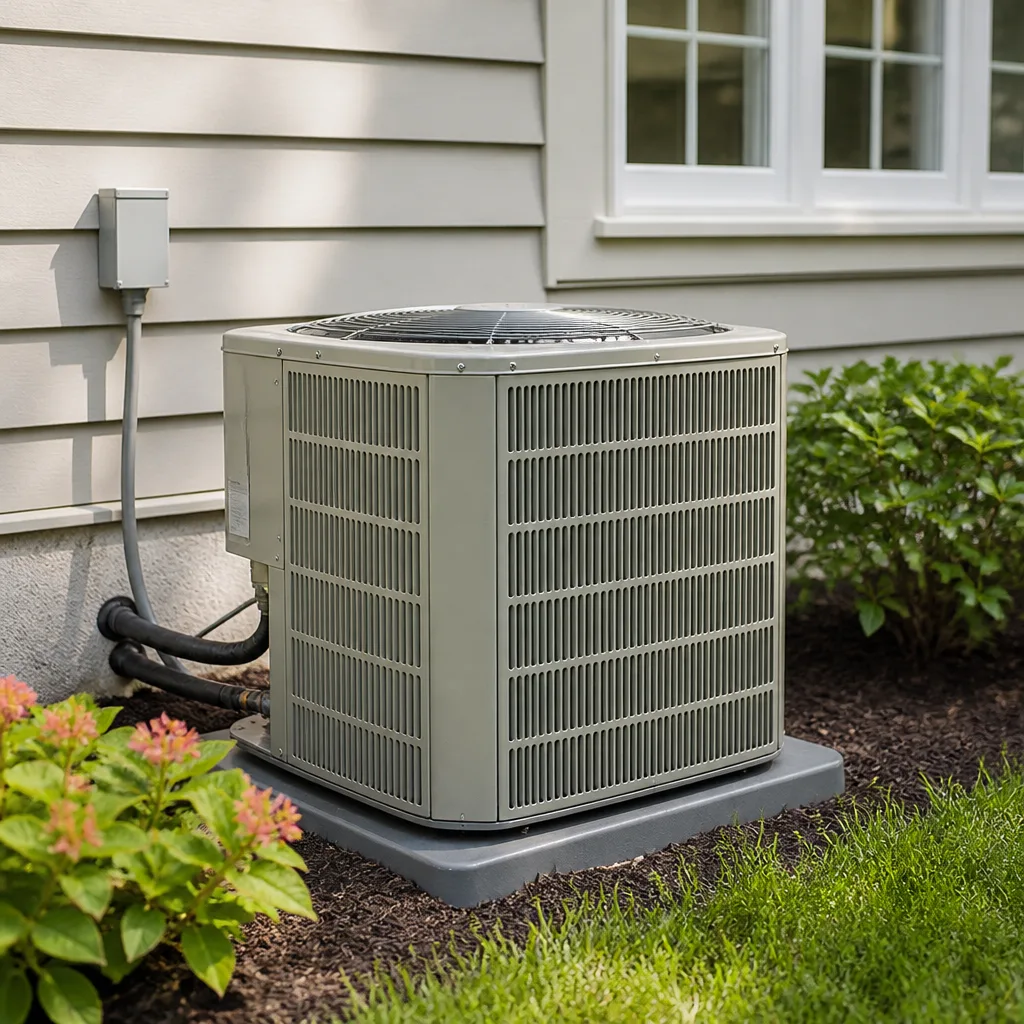
- Flattened coil fins in small patches. Fins are the thin aluminum slivers wrapped around the copper tubes. Their job is to expose surface area to air. Hail that flattens fins over less than about 25 percent of the coil face will reduce efficiency slightly but won’t typically warrant a replacement. A technician can comb the fins back straight for a couple hundred dollars.
- Flattened fins over more than 25 to 30 percent of one side, or deeply bent fins across multiple sides. Air can’t pass through the coil. Head pressure rises. The compressor runs hotter. Efficiency drops 10 to 20 percent, and the system works harder all summer. At this threshold, insurance often covers a coil replacement.
- Dented copper tubing or kinked lines. This is the serious damage. Copper refrigerant lines that are deformed restrict refrigerant flow. A kinked line can starve the compressor, and a compressor that runs starved fails early. If you see dented copper, shut the system off until a technician evaluates it.
- Any sign of oil or refrigerant leakage. Hail impact can crack a brazed joint. If you see an oily residue around a joint or fitting, that’s refrigerant oil. The system is leaking and will not cool properly.
What to Do
- Take clear photos from three angles, as soon as it’s safe to go outside after the storm.
- Document the date and approximate hail size. Your insurance carrier will ask.
- Call your insurance agent before you call an HVAC company. Some carriers want their own adjuster to see the unit first.
- Have a technician do a written damage assessment. A good report states whether the damage is cosmetic, efficiency-impacting, or warrantable.
One thing to know: most manufacturer warranties do not cover hail damage. That falls under homeowners insurance. If you’re not sure whether your unit is still under manufacturer warranty, our AC repair team in Dallas can look up the serial number and tell you what’s covered before any work starts.
Filter MERV Ratings vs. Blower Motor Airflow
Dallas allergy season pushes homeowners toward the highest-MERV filter they can find. That instinct is understandable. Cedar pollen, oak pollen, ragweed, and dust from a three-month dry spell make spring and fall miserable. But a MERV 13 filter that sounds like it’s protecting your family is also choking your system, and that tradeoff gets worse in Dallas specifically because our cooling season is so long and our indoor humidity is so high.
Here is the plain mechanics. A MERV 13 filter is dense enough to catch very small particles. Dense means restrictive. Restrictive means your blower motor has to pull harder to move air through it. A blower that pulls harder runs hotter, moves less air, and shortens its own life. In a Dallas July, a MERV 13 filter can reduce total airflow by 15 to 20 percent compared to a MERV 8. That loss shows up as weaker cooling upstairs, longer run times, higher bills, and a blower motor that fails two or three years early.
What MERV Rating Should You Run in Dallas?
- MERV 8: The standard pleated filter. Catches dust, pollen, and pet dander. Does not restrict airflow meaningfully in most residential systems. Best all-around choice for homes with no severe allergy or respiratory issues.
- MERV 11: A middle ground. Catches more allergens, adds some resistance. Fine in a system less than ten years old with a variable-speed or ECM blower motor. Change monthly during cedar and ragweed seasons.
- MERV 13 or higher: Only appropriate if you have a system specifically rated for it, or if a doctor has recommended serious filtration for a medical condition. In a standard single-speed blower, a MERV 13 is a slow suffocation. We regularly see 14-SEER systems with a MERV 13 filter that can’t hold 72 degrees in July, and the problem is the filter, not the system.
The more effective way to handle Dallas allergens without killing your blower is a MERV 8 or 11 filter for daily use, paired with a standalone HEPA air purifier in the rooms where you sleep. That combination gives you particle removal without turning your HVAC system into a filtration machine it wasn’t designed to be. If you’re not sure which filter your system can handle, check the manufacturer’s spec, or ask any AC maintenance technician in Dallas during a seasonal check. The answer depends on your specific blower, and it’s worth getting right.
The Pre-Summer Load Test: 30 Minutes That Prevent July Emergencies
The best time to find out your AC has a weak capacitor or low refrigerant is not July 18th. It’s a random Saturday in May, when the temperature is comfortable and the system has some margin. We call this the pre-summer load test. It takes 30 minutes and requires no tools beyond a thermometer and a smartphone.
Here is the procedure, step by step.
- Pick a warm afternoon. You want outdoor temps in the 80s or low 90s. That’s warm enough for the system to run meaningfully but cool enough to open windows if something’s wrong.
- Change the filter first. We don’t want a dirty filter influencing the test.
- Set the thermostat 5 degrees below the current indoor temperature. If it’s 78 inside, set it to 73. The system should kick on within a minute.
- Place a thermometer in the return vent and one in the supply vent furthest away. The return is where air gets pulled in. The supply is where cool air comes out.
- Let the system run 15 minutes. This is the important part. A system that cools well in the first five minutes can still be low on refrigerant or have a weak capacitor. You need a sustained run to see the real performance.
- Measure the temperature split. The supply air should be 16 to 22 degrees cooler than the return air. If you’re seeing 12 degrees or less, you’ve got a problem: low refrigerant, an underperforming compressor, or a restriction. If you’re seeing 25 degrees or more, something’s also wrong, usually severe low airflow.
- Listen to the outdoor unit during the whole run. The compressor should start once, run steadily, and shut off when the thermostat is satisfied. If it starts, runs 7 seconds, shuts off, and repeats, the capacitor is failing.
- Feel the larger copper line at the outdoor unit. It should be cold and sweating. If it’s room temperature or warm, refrigerant isn’t moving properly. If it’s frosted or iced, you have low charge or an airflow restriction.
- Check the drain line while the system runs. If the system has been cooling for 15 minutes and no water is coming out of the drain outlet, the drain is clogged or the pan is cracked. Catch it now, not in August.
If any of these readings are off, that’s the moment to schedule a diagnostic. In May, a Dallas AC repair is a one-hour appointment. In August, it’s a two-day wait in a hot house. The load test doesn’t fix anything by itself, but it tells you what needs fixing before the emergency finds you first. We run this same test, with professional instruments, on every seasonal maintenance visit. The homeowner version catches about 80 percent of the problems that would otherwise become urgent.
Common Mistakes to Avoid
- Closing vents in unused rooms to save money. Your system is designed for a specific total airflow. Closing vents raises static pressure, which reduces airflow across the coil, which risks freezing the coil or overheating the blower. In a Dallas summer, a frozen coil is a full day without cooling.
- Setting the thermostat to 68 on a 102-degree day expecting faster cooling. The system cools at one rate regardless of setpoint. Setting it lower doesn’t cool faster; it just runs longer. Overshooting the setpoint stresses the compressor and runs up the bill.
- Forgetting the drain line for eleven months and then blaming the AC. The condensate drain is the one item on this list that almost every homeowner skips. It is also the one that causes the most expensive damage when it fails.
- Buying the thickest pleated filter at the hardware store. As covered above, high-MERV filters starve blower motors in Dallas systems. Unless your system is rated for it, stick with MERV 8 or 11.
- Hosing off the outdoor unit while the system is running. Water spraying into an energized electrical cabinet is a short-circuit risk. Turn the system off at the breaker or thermostat first, and wait a few minutes before spraying.
- Skipping the fall heating check because the AC worked fine all summer. The same blower, thermostat, and electrical connections serve both heating and cooling. A component that limped through August will fail completely in January.
- Calling the first emergency number you find without knowing who’s coming. In Dallas, the difference between an HVAC company and a guy with a truck and a magnet is real. We’ll say plainly what we do at Brandt: every technician is background-checked, and you get a name and photo before they arrive. We built that standard because too many Dallas homeowners have been burned by unknown techs at the door. You should never have to choose between a cool house and a safe one.
When to Call a Professional
Some items on this checklist are homeowner-level. Some are not. Refrigerant work requires an EPA Section 608 certification, and in Texas, an HVAC contractor must be licensed by the state. Electrical components inside the cabinet, including capacitors, contactors, and wiring, carry live voltage even with the system off. Capacitors can hold a charge that will hurt you. If your load test showed a temperature split under 14 degrees, you heard short-cycling, you saw ice on the copper lines, you found refrigerant oil around a fitting, or your drain line won’t clear with a shop vacuum, stop and call someone who does this every day. A diagnostic visit is cheaper than the damage you’ll do by guessing wrong. Brandt HVAC Co Dallas offers free estimates in Dallas. Call (325) 312-3269 and a live person answers, any hour, any day.
This is also where we’ll be direct about something most HVAC guides won’t tell you. The reason many homeowners hesitate to call a pro is not the cost of the repair. It’s the fear of who shows up. Whoever you hire, ask before you book: who is coming, what is their name, and will they show identification? At Brandt, we send you the technician’s name and photo before we arrive, and they show you a photo ID at the door. That’s the Threshold Verified standard. If anyone shows up who you weren’t told to expect, we make it right. Dallas homeowners shouldn’t have to trade comfort for certainty, and you don’t have to.
Frequently Asked Questions
Change a standard MERV 8 filter every 90 days in Dallas, and every 30 days during December-February cedar season and August-September ragweed season if you have allergy symptoms. MERV 11 or higher filters should be changed monthly during peak pollen seasons because they load up faster and restrict airflow more as they do. A dirty filter is the most common cause of a frozen evaporator coil in a Dallas summer.
The two most common Dallas AC repairs are clogged condensate drain lines and failed capacitors. Capacitors are the electrical component that starts the compressor and the outdoor fan; they degrade faster in Texas heat than in almost any other climate. A clogged drain line is a spring and summer problem tied to humidity. Both are cheap to fix early and expensive as emergency calls.
Yes, and in Dallas specifically, schedule it in April or early May, not in the fall. A spring check catches refrigerant loss, weak capacitors, and drain clogs before the first 100-degree week. Waiting until the system is already struggling means you’re scheduling an emergency repair, not a maintenance visit.
A seasonal AC maintenance visit in Dallas typically runs $80 to $200 depending on what’s included. A basic check covers the filter, thermostat, drain line, and outdoor coil. A full spring check adds refrigerant verification, capacitor testing, contactor inspection, and a written report of what was found. Some Dallas providers fold maintenance into a service agreement that includes priority scheduling in summer. If you want an exact price before anyone touches your system, ask for it in writing first. Any reputable company will give you one.
Flipping the breaker resets the system, but it doesn’t fix whatever tripped it. If the issue is a clogged drain, a reset may let it run briefly before it shuts off again. If the issue is a failing capacitor, cycling the breaker stresses it further. If the breaker trips repeatedly, that’s a sign of an electrical fault inside the unit, and continuing to reset it risks a fire or a failed compressor. On electrical and refrigerant work, call a licensed pro.
Yes. Inspect the outdoor unit after every hailstorm. Light cabinet dents are cosmetic. Flattened coil fins over a quarter of the face reduce cooling capacity and should be evaluated. Dented copper refrigerant lines are the serious damage; shut the system down and get a professional assessment. Hail damage is a homeowners insurance item, not a manufacturer warranty item, so take photos and file promptly if damage looks significant.
The Bottom Line
The Dallas AC maintenance checklist that actually works is the one that matches tasks to seasons, not the one that matches the manufacturer’s generic brochure. Flush the condensate drain five times a year, run the pre-summer load test in May, inspect the outdoor unit after every hailstorm, and choose an air filter your blower can breathe through. That combination catches the three biggest failure categories in Dallas: condensate overflows, dead capacitors, and dirty-coil airflow loss. It costs less than two hours of your time across a whole year. What it prevents is the August emergency call that costs ten times more and leaves your family in a hot house for two days. For everything else, Brandt HVAC Co Dallas home is here. Call (325) 312-3269 for a free estimate on AC maintenance in Dallas, AC repair in Dallas, or furnace repair in Dallas. You’ll always know the price before the work starts, and you’ll always know exactly who’s at your door.
Written by Devin Marlowe, Owner at Brandt HVAC Co Dallas, serving Dallas since 2003.
See the difference
 Before
 After
After Before
 After
After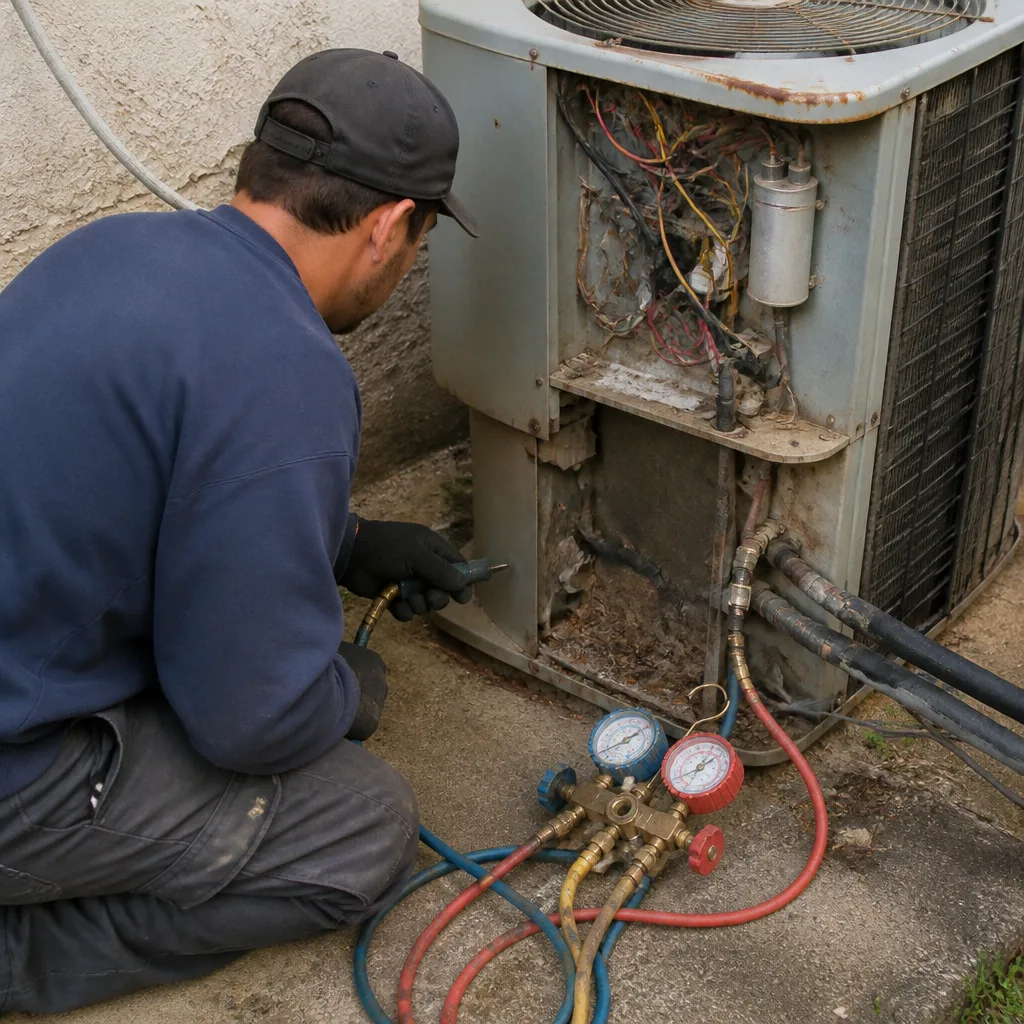 Before
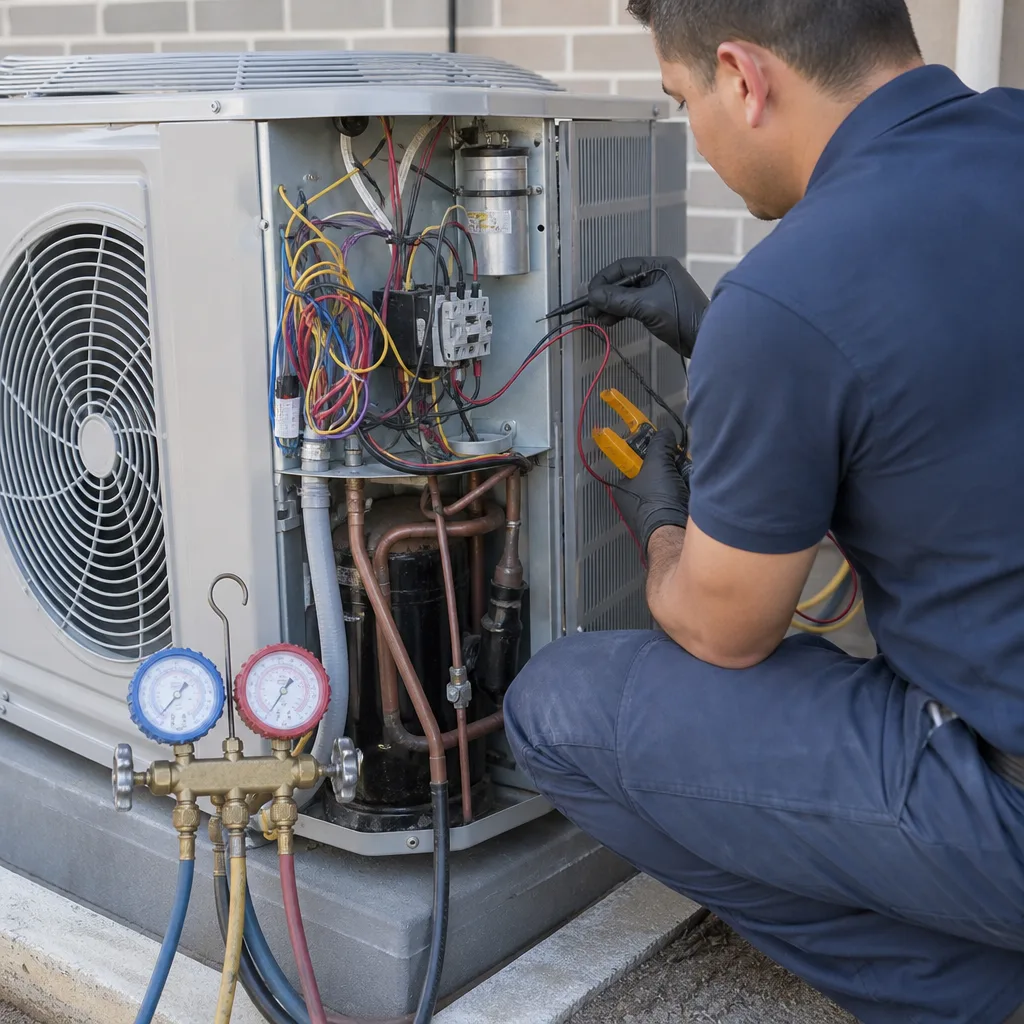 After
After