
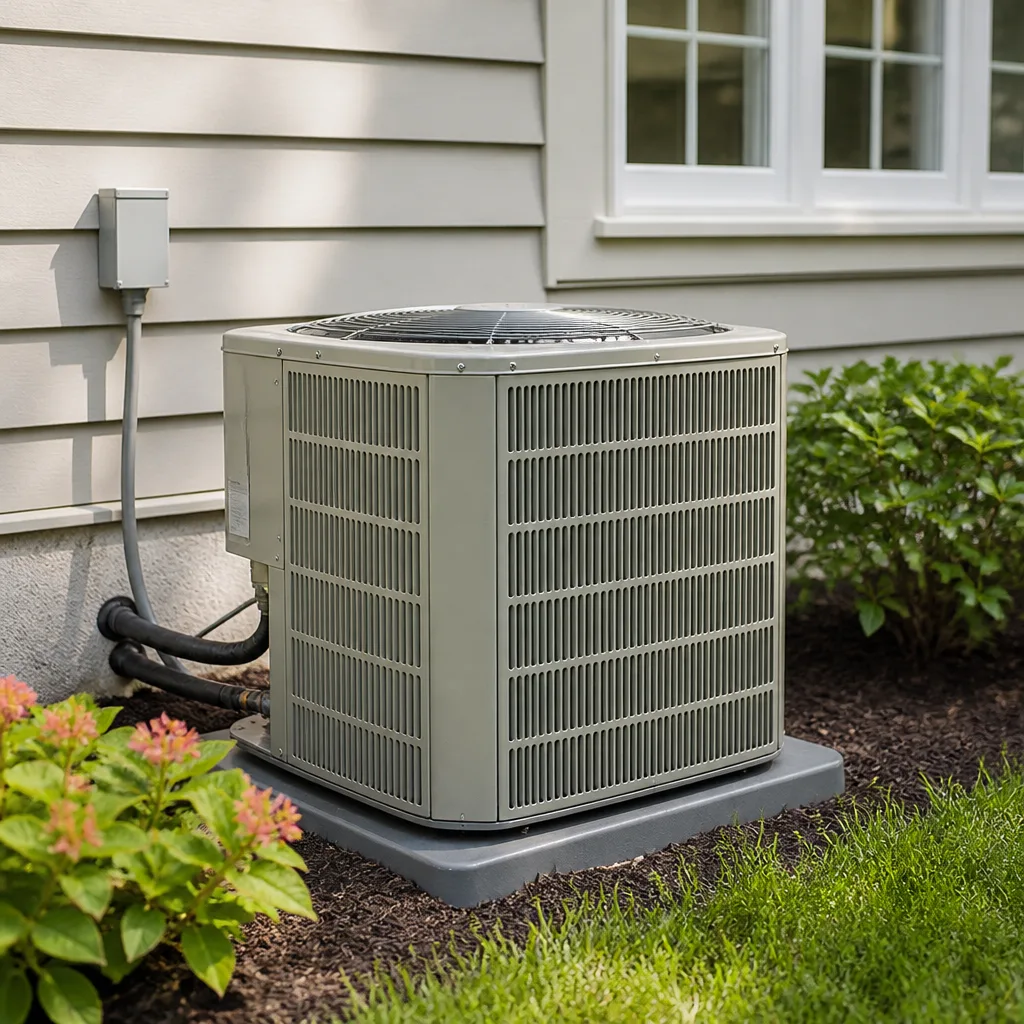
 AC repair
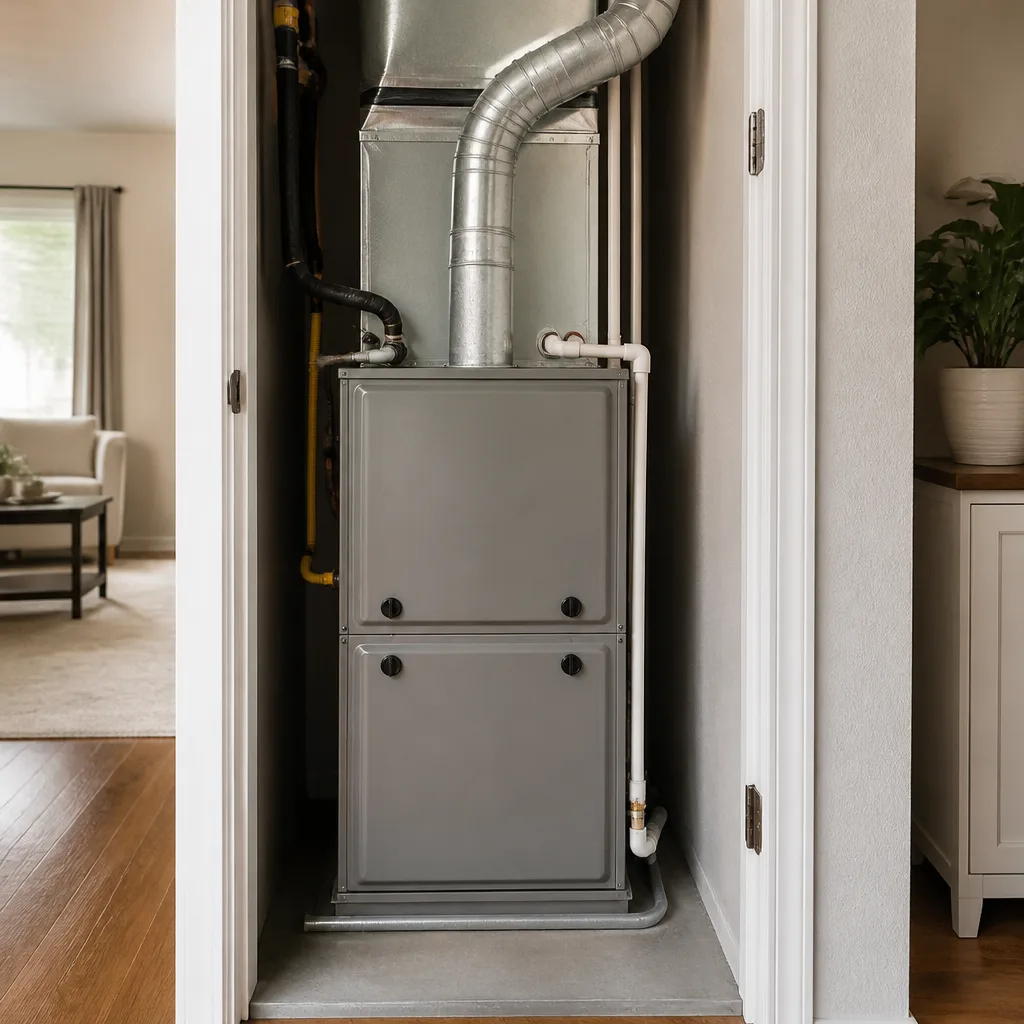 Furnace & heating
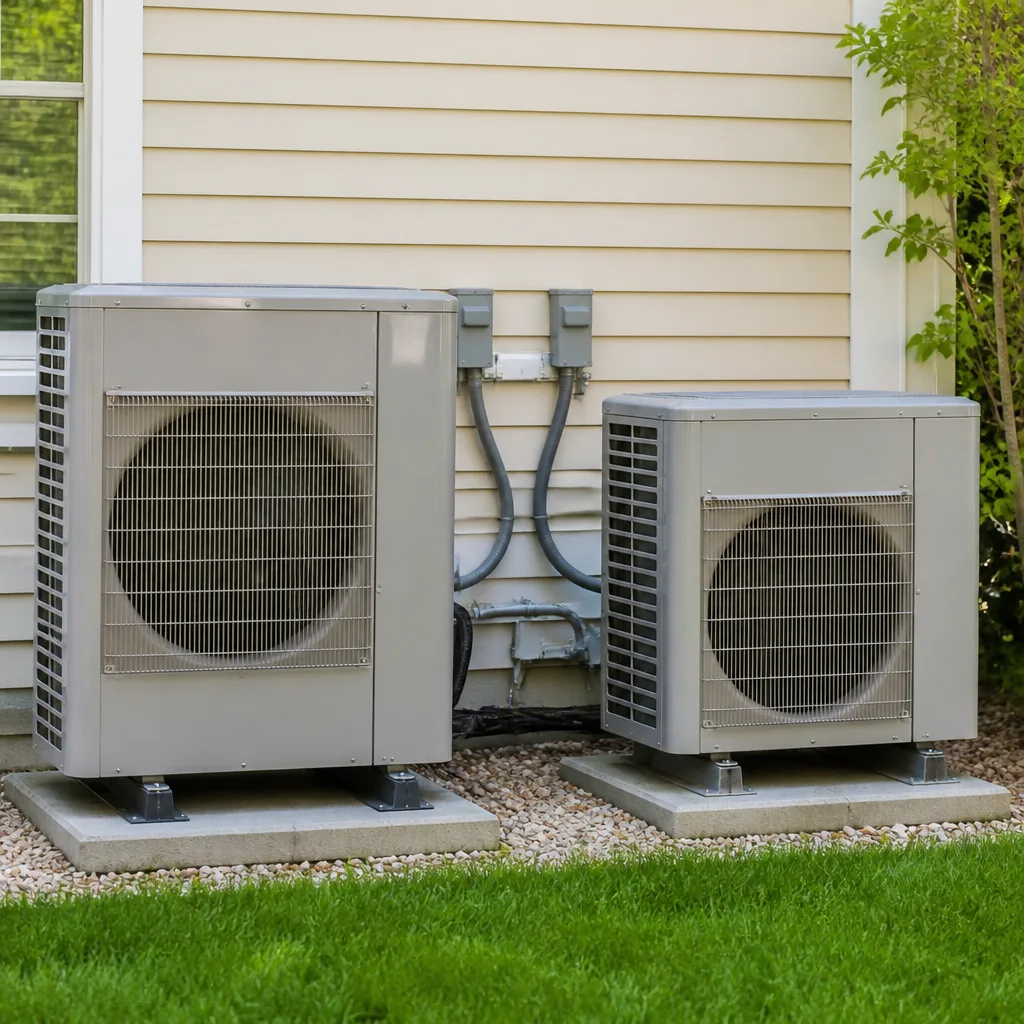 Heat pumps
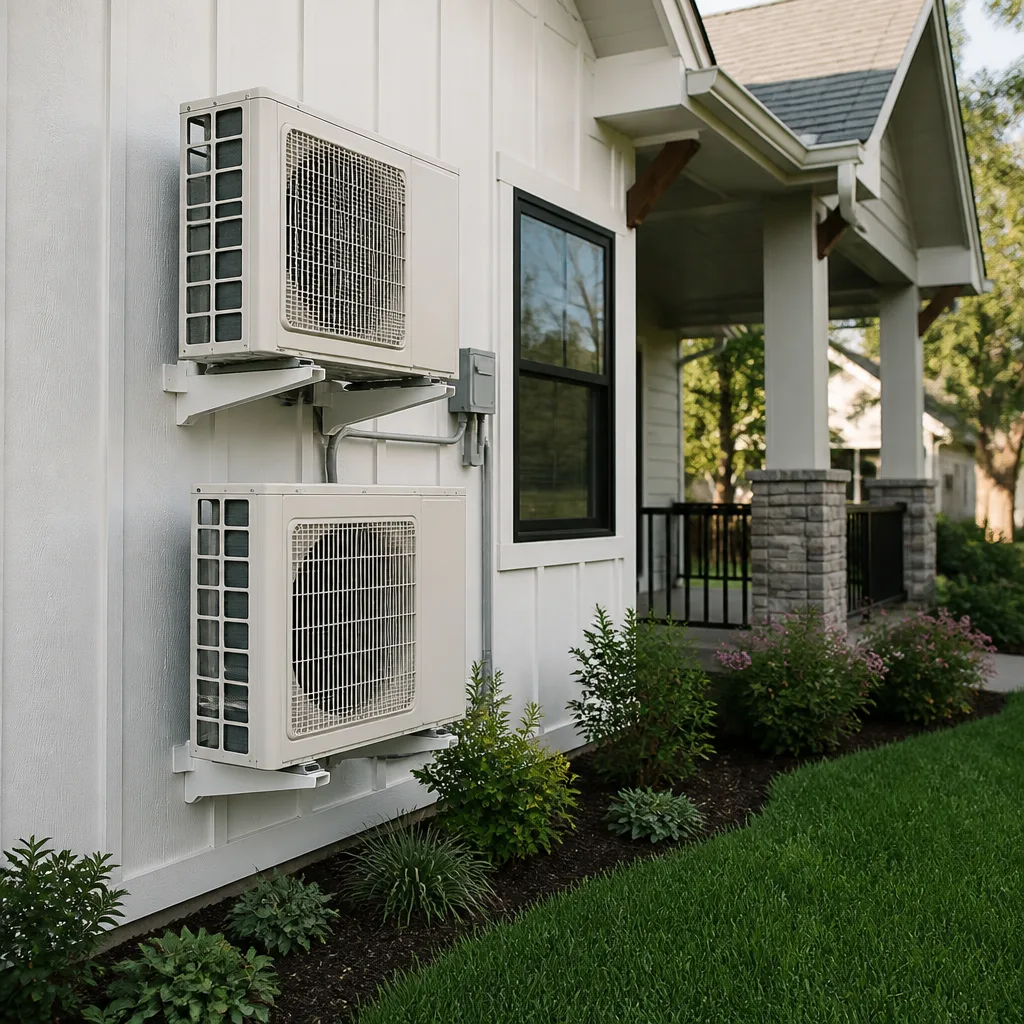 Ductless mini splits
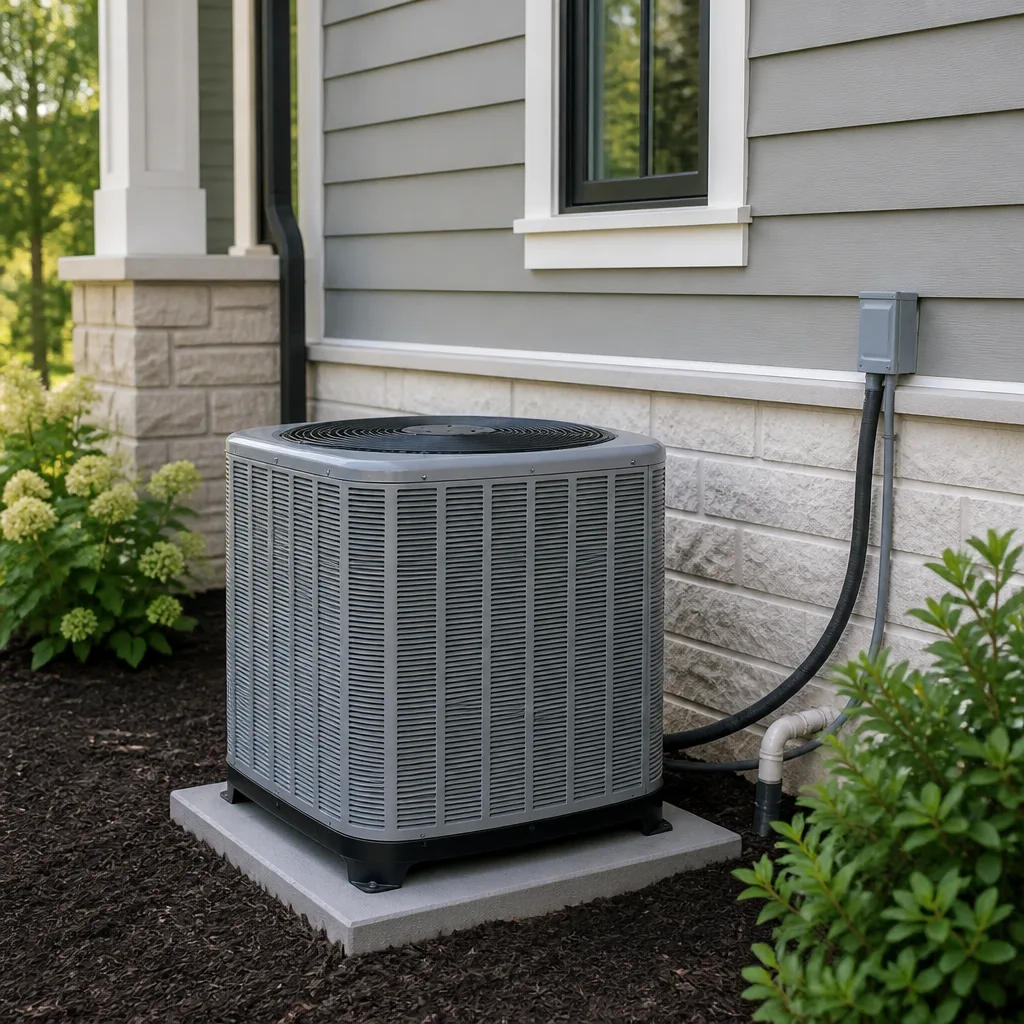 Carrier
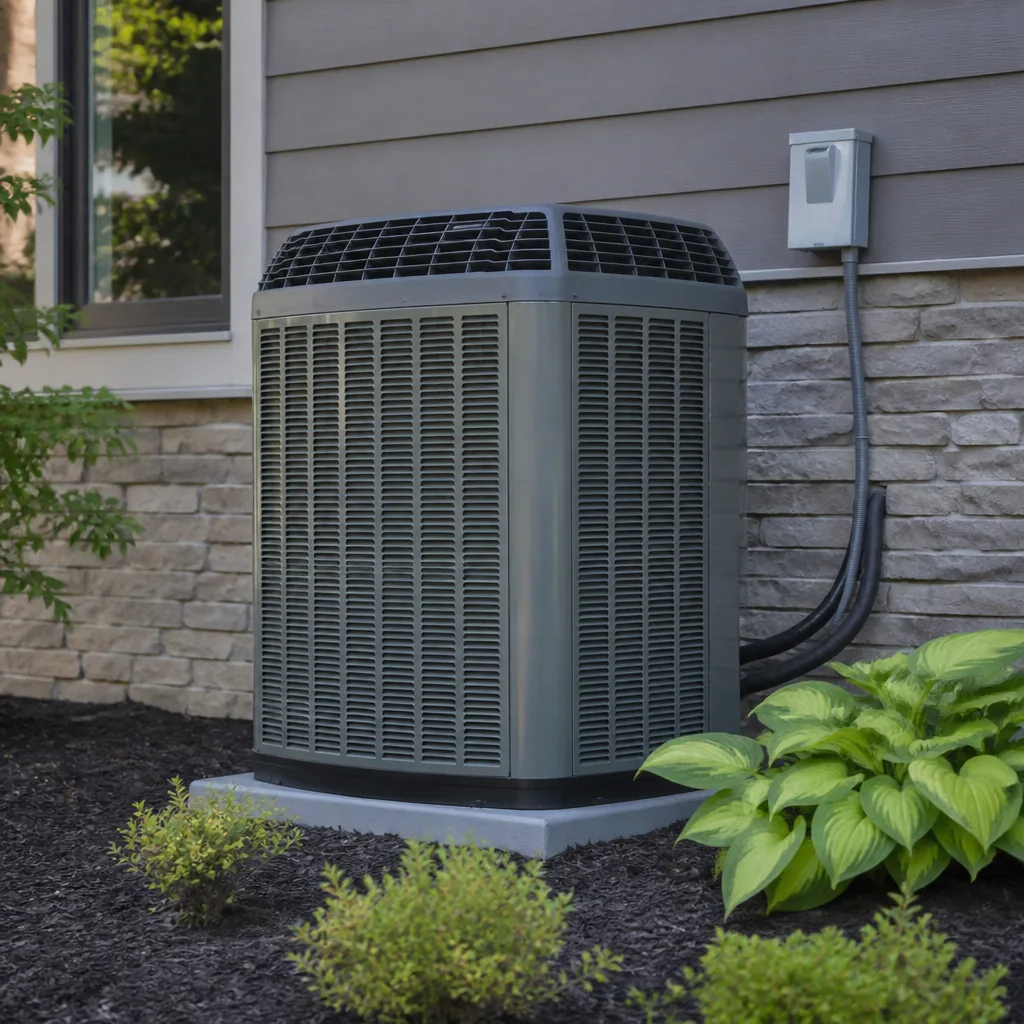 Trane
Trane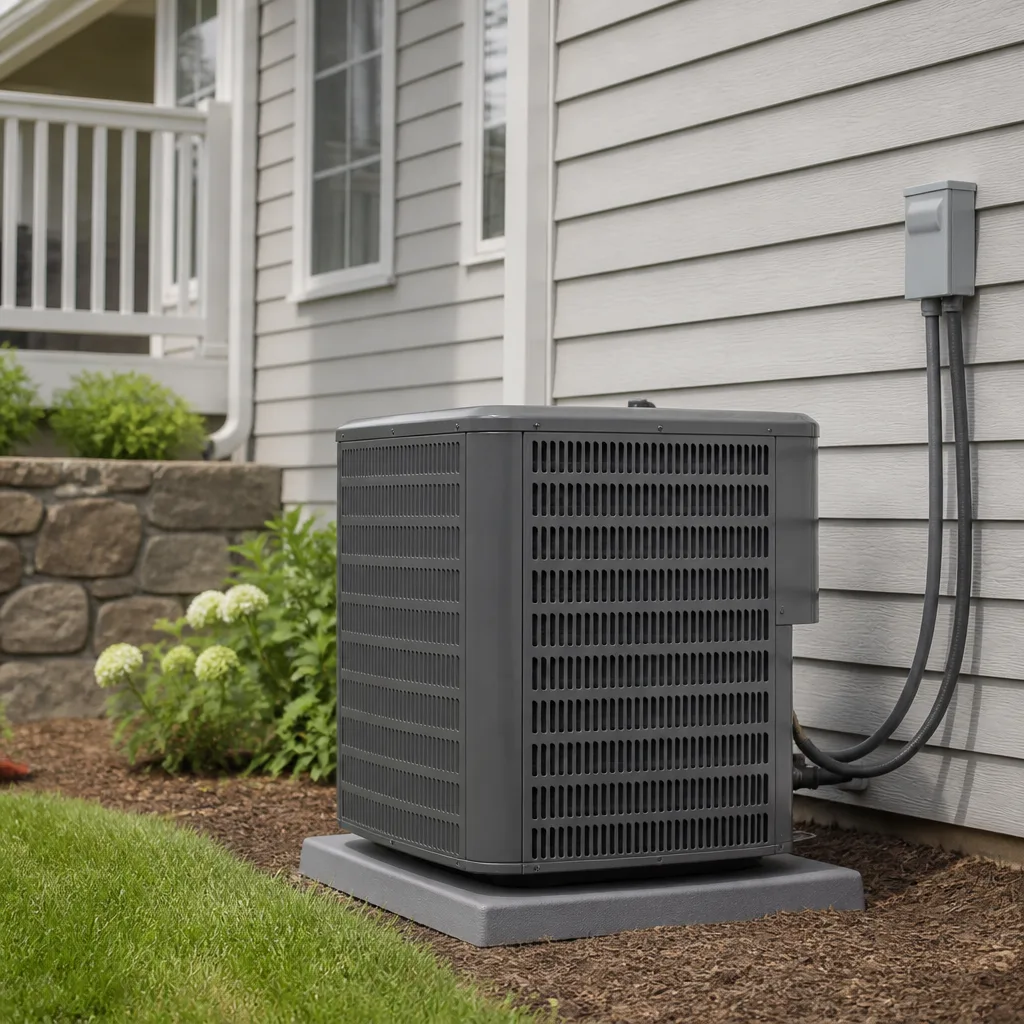 Goodman
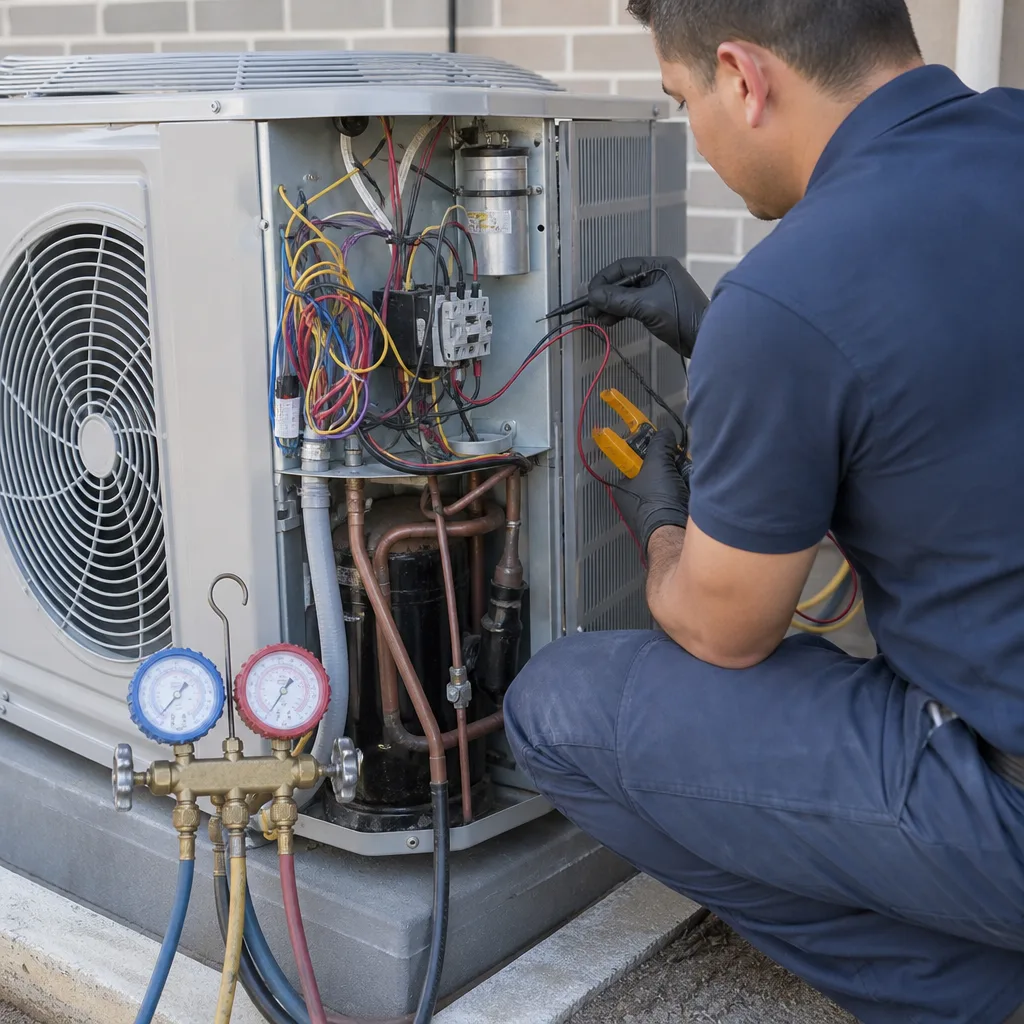
Seasonal tune-up and full diagnostic on your Carrier, Trane, or Goodman system - readings shown to you before any repair is proposed
Diagnosis first, numbers second - you approve the repair price before a single part goes in.
Get your free estimateStyles & brands we work with
See the difference
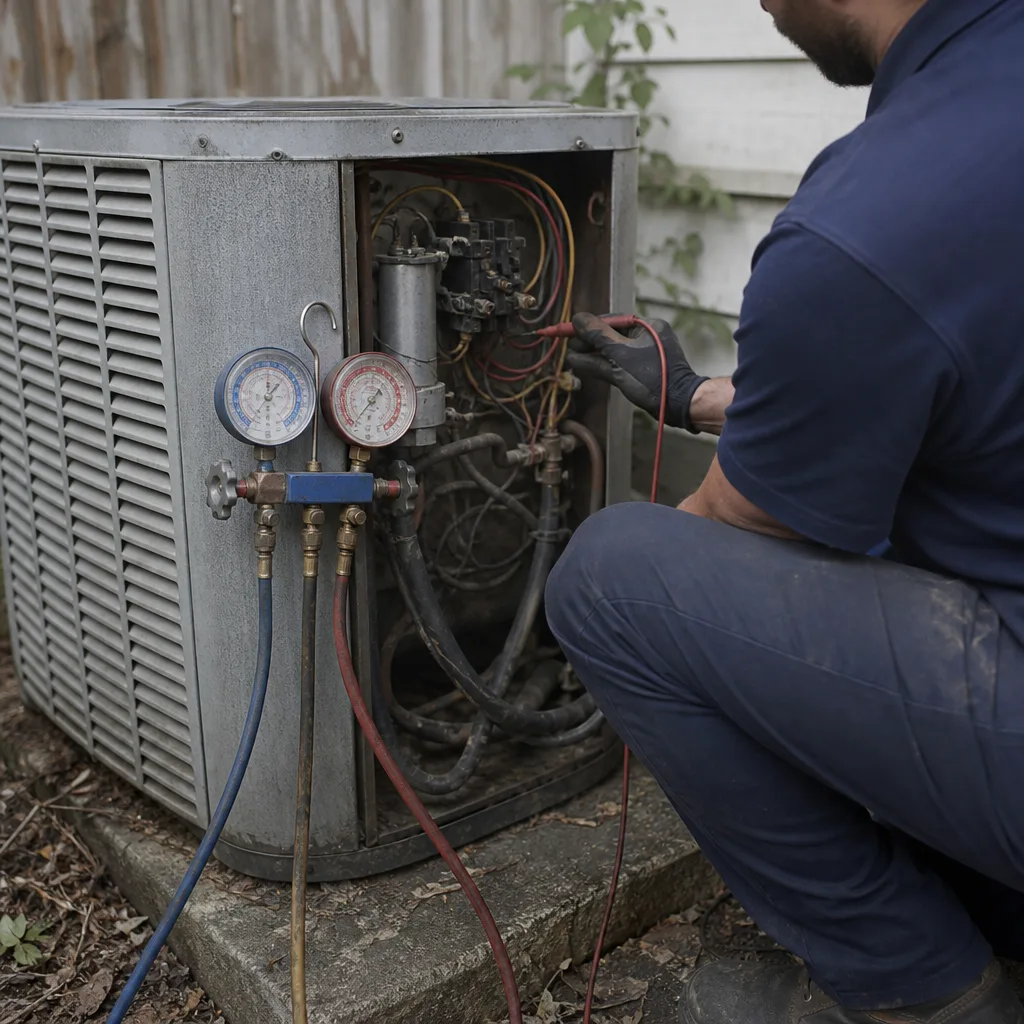 Before
 After
After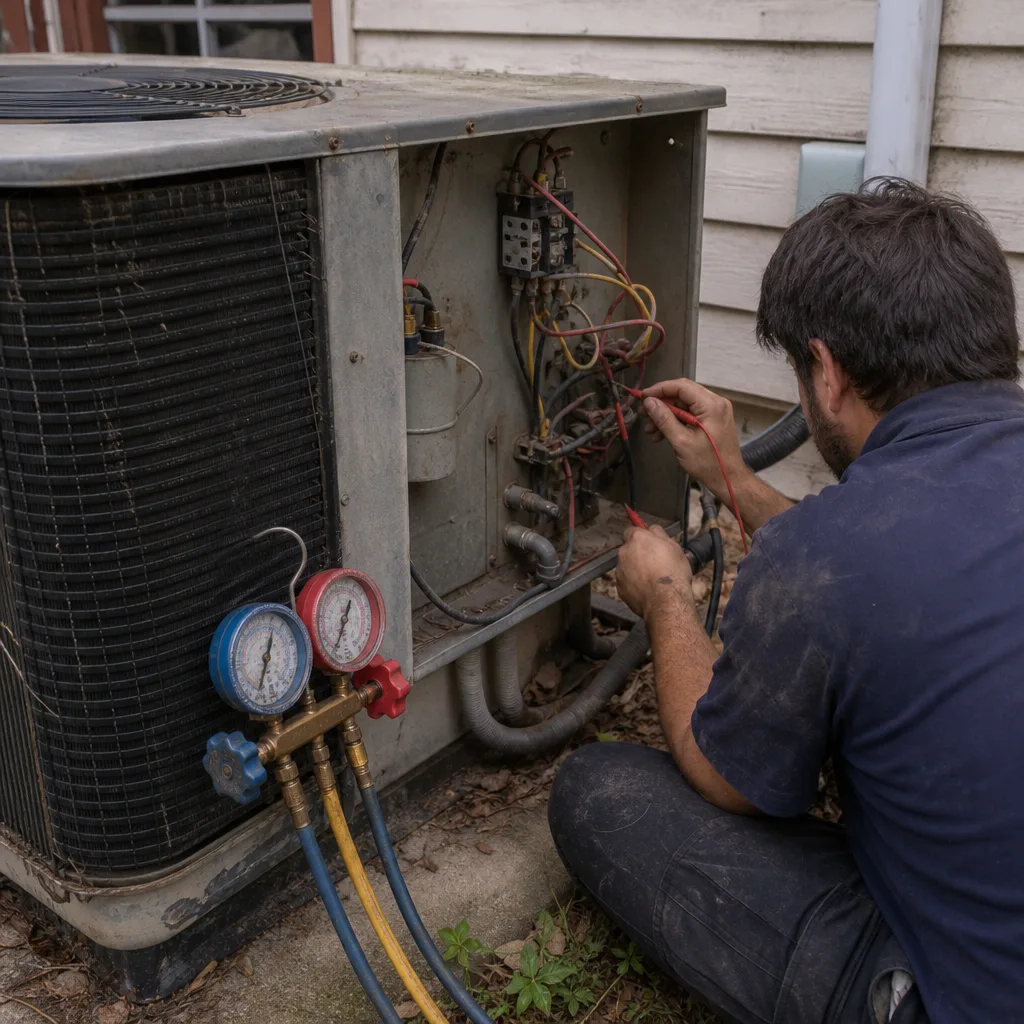 Before
 After
After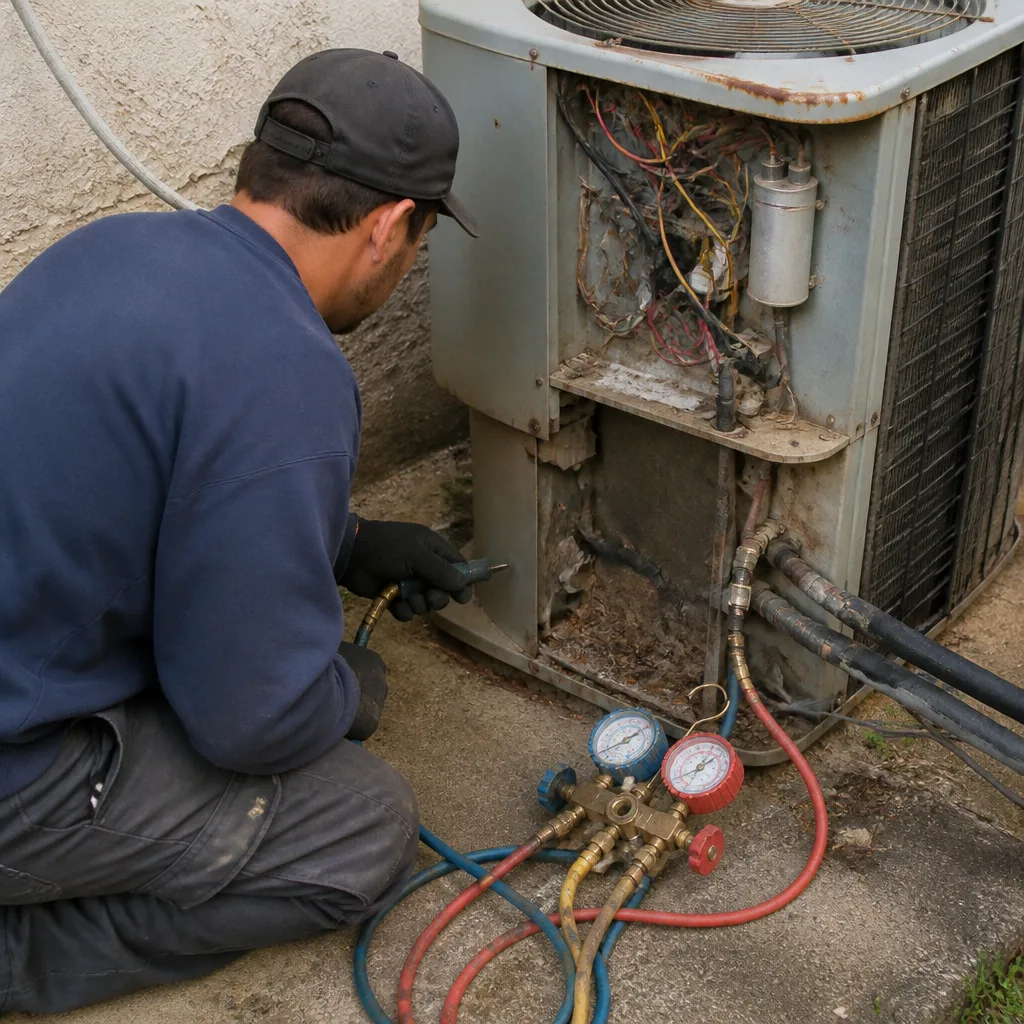 Before
 After
AfterCapacitor Replacement in Dallas, TX
A failing capacitor is one of the most common reasons an air conditioner stops cooling in Dallas. Capacitor replacement typically costs $150 to $350 parts and labor included, and most jobs are done in under an hour. If your outdoor unit hums but the fan won’t spin, or the compressor struggles to start on a 100-degree afternoon, a capacitor has likely failed. At Brandt HVAC Co Dallas, we diagnose it precisely, show you the price in writing before any ac repair installation services work starts, and get your system cooling again the same day. Call us at (325) 312-3269 and a live person answers, any hour.
This page covers everything Dallas homeowners should know about capacitor replacement, including what the part does, what it costs here, how we replace it, and why a failed capacitor is never a “wait and see” problem. For broader AC issues beyond the capacitor, our AC Repair & Installation in Dallas page covers the full range of services we handle.
Key Takeaways
- Capacitor replacement in Dallas runs roughly $150 to $350, parts and labor included.
- Most replacements are completed in under an hour, often same-day.
- A failed capacitor is the most common cause of an AC that hums but won’t start.
- Every job gets a written price before work begins, and every repair carries our 365-Day Done Right Promise.
- Brandt HVAC Co Dallas services Trane, Lennox, Goodman, and Rheem systems, among other major brands.
When You Need Capacitor Replacement
Capacitors give your AC’s fan motor and compressor the electrical jolt they need to start. They’re small, cylindrical, and they take a beating in Dallas heat, especially when your system cycles on and off constantly from June through September. A capacitor can weaken gradually or fail outright. Either way, the symptoms are usually obvious. Here’s what Dallas homeowners typically notice before calling us:
- The outdoor unit hums but the fan isn’t spinning. This is the classic sign. You’ll hear a low electrical hum from the condenser, but nothing moves. The capacitor isn’t delivering the starting voltage.
- The AC blows warm air or no air at all. If the compressor can’t start because the capacitor is dead, the system can’t move refrigerant. The indoor blower might run fine, but the air coming out of the vents never gets cold.
- The system short cycles or starts and stops within minutes. A weakening capacitor can’t hold the charge the compressor needs. The system starts, stumbles, and shuts off, then tries again a few minutes later. This puts extra strain on the compressor and shortens its life.
- You have to press the fan blade with a stick to get it going. Some homeowners discover that manually spinning the condenser fan gets it moving. That works because the motor itself is fine, the capacitor just lacks the starting kick. This is a temporary workaround, not a fix.
- The breaker trips when the AC kicks on. A failed capacitor can cause the compressor to draw excessive current at startup, which trips the breaker. If this happens more than once, stop resetting the breaker and have the system checked.
- Your energy bill spiked with no change in usage. A struggling capacitor makes the compressor work harder on every cycle. Your system draws more power to do the same job, and your bill reflects it.
One important note: capacitors store electrical charge even when the power is off. They can deliver a serious shock if handled incorrectly. We never recommend homeowners open the electrical panel on their condenser unit and attempt this repair themselves. Our technicians discharge the capacitor safely and replace it with the correct microfarad rating for your specific system.
How Much Does Capacitor Replacement Cost in Dallas?
Capacitor replacement in Dallas typically costs $150 to $350, parts and labor included. The price depends on whether you have a single capacitor or a dual capacitor, the brand and model of your system, and the going rate for HVAC service calls in the Dallas metro area. Here’s a straightforward breakdown of what you’re paying for:
| Cost Component | Typical Range in Dallas |
|---|---|
| Capacitor part (single, common brands like Trane, Lennox, Goodman, Rheem) | $20 – $60 |
| Capacitor part (dual-run, higher microfarad ratings) | $40 – $90 |
| Service call and diagnostic | $60 – $120 |
| Labor (typically 30 – 60 minutes) | $70 – $140 |
| Total, parts and labor | $150 – $350 |
These are honest ranges for the Dallas market. You’ll find cheaper quotes from unlicensed handymen and higher quotes from companies that bundle capacitor replacement into an upsell for a full system replacement. At Brandt HVAC Co Dallas, we replace the capacitor, test the system, and charge you only for what was needed. No surprise add-ons and no pressure to replace equipment that still has life in it.
Three things affect your final cost:
- Single vs. dual capacitor. Many older Dallas systems use two separate capacitors, one for the fan and one for the compressor. Newer units, including most Trane and Lennox models installed in the last 15 years, use a single dual-run capacitor that handles both. Dual capacitors tend to cost a bit more than a single because they pack two ratings into one housing.
- Brand and microfarad rating. A Goodman or Rheem unit uses different capacitor specifications than a Trane or Lennox. We stock the common ratings on our trucks and match the exact specification to your system. Using a capacitor with the wrong microfarad rating will shorten the life of your fan motor or compressor.
- Access and location. Most Dallas condenser units are in the backyard or side yard with easy access. If your unit is in a tight enclosure or behind landscaping, it adds a bit of labor time but rarely changes the price dramatically.
Every estimate at Brandt HVAC Co Dallas is free. You’ll get a written price before we touch a single wire, and that’s the price you pay. If the diagnostic shows something other than the capacitor, we’ll show you what we found and let you decide. Call (325) 312-3269 to schedule a check.
Our Capacitor Replacement Process
When you call Brandt HVAC Co Dallas about an AC that won’t start, here’s exactly how the visit unfolds:
- You call and talk to a person. Our phones are answered by a live human, 24/7. You describe the symptom, we schedule a window that works, and we send you the technician’s name and photo before they arrive. No anonymous “tech in a van” showing up unannounced.
- The technician arrives, badge visible. Every Brandt HVAC Co Dallas technician is background-checked and identity-verified under the Threshold Verified standard. They show a photo ID badge at the door. If the person at your door isn’t who we told you to expect, that visit is on us.
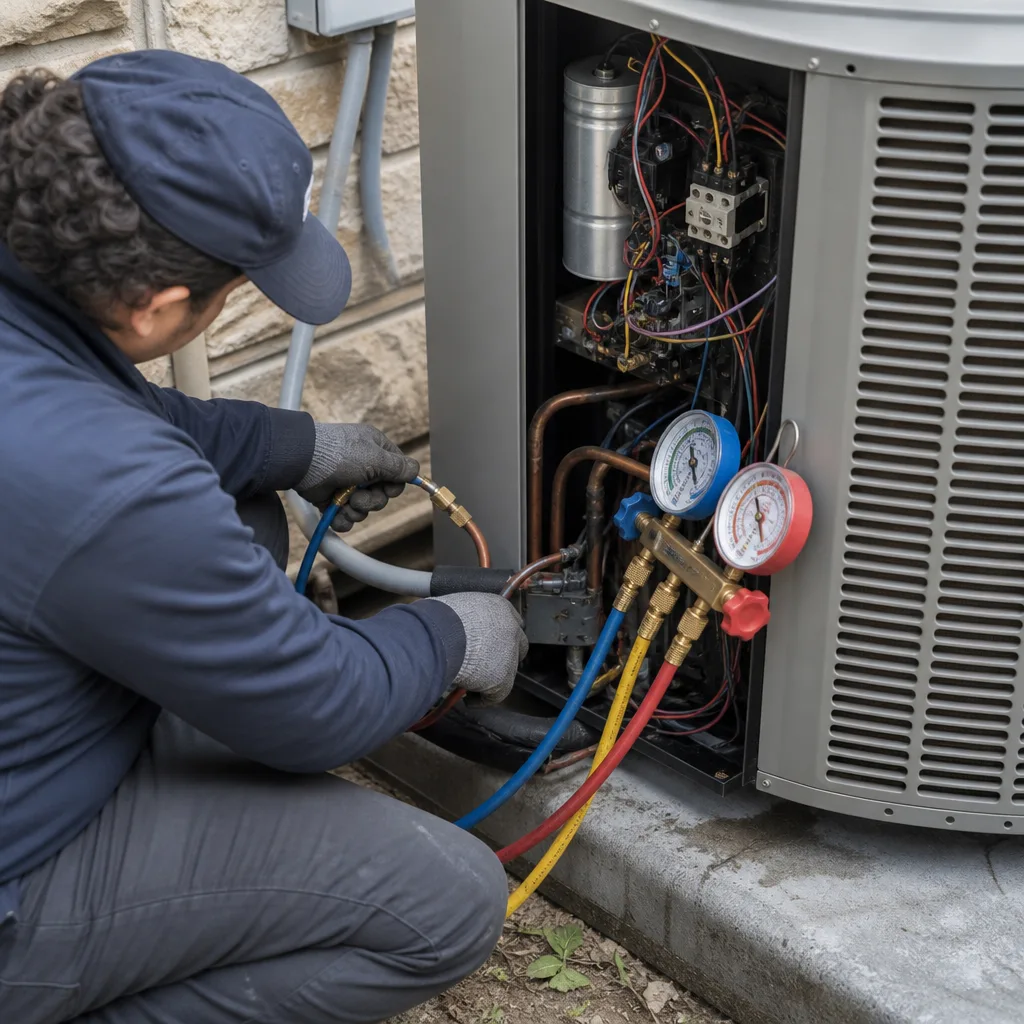
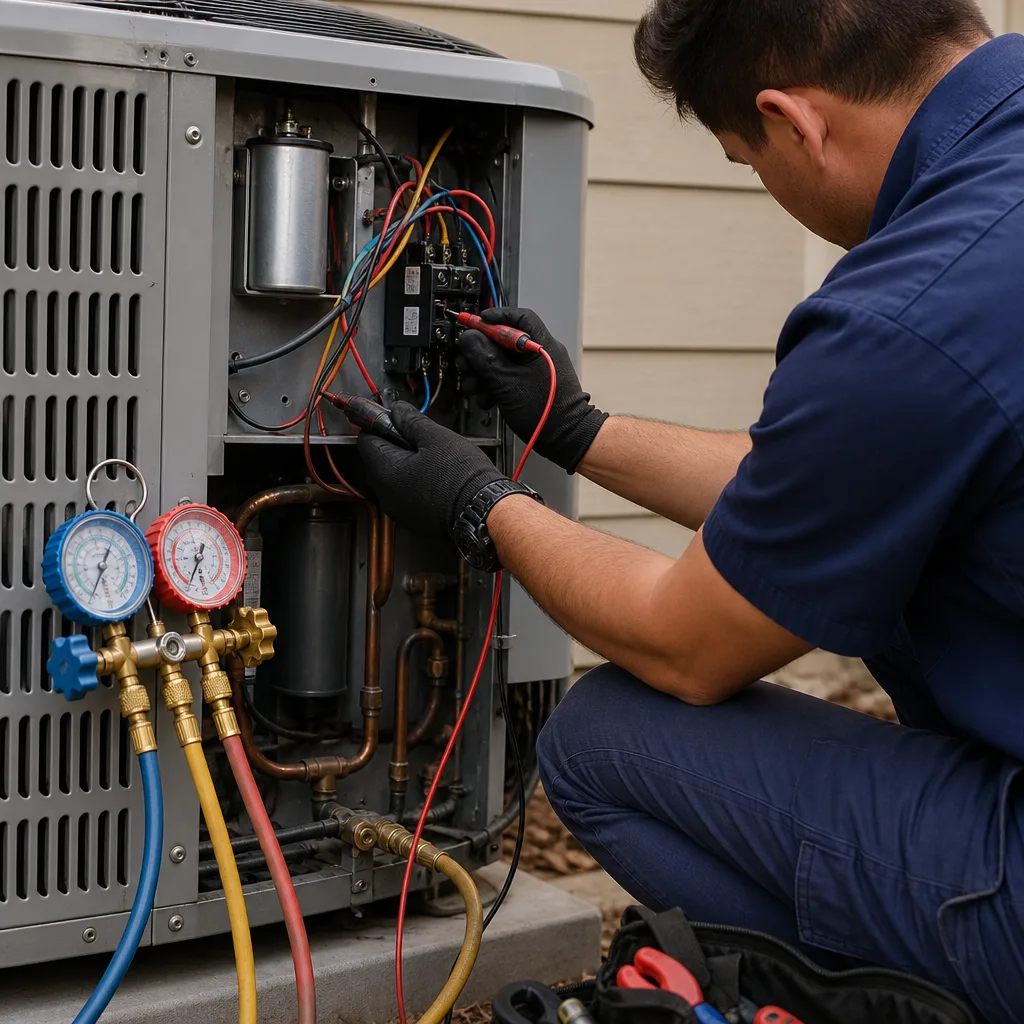
- Diagnostic check, written price. The technician tests the capacitor with a multimeter, checks the fan motor and compressor for signs of damage, and confirms whether the capacitor is the culprit. Then you get a written quote for the replacement, before any work starts. No verbal estimates, no “trust me” pricing.
- Replacement and system test. We discharge the old capacitor safely, install the new one with the correct microfarad rating for your unit, and secure all connections. Then we start the system and confirm the fan spins, the compressor runs, and the air coming off the condenser is warm, which means heat is being moved out of your home.
- Written guarantee and recap. Before we leave, you get a written guarantee covering the capacitor and the workmanship. If anything about the repair fails within 365 days, we come back and make it right at no charge under the 365-Day Done Right Promise.
Most capacitor replacements on Trane, Lennox, Goodman, and Rheem systems are completed in under an hour from arrival. That’s quick, but we don’t rush the diagnosis. A capacitor that failed once often points to something else worth watching, like a compressor drawing higher amps than it should or a fan motor with worn bearings. We’ll tell you what we see, straight.
Why Capacitors Fail in Dallas Specifically
Dallas heat is hard on capacitor internals. Capacitors are filled with a dielectric fluid that degrades faster under sustained high temperatures. When your condenser sits in direct afternoon sun on a 102-degree day, the internal temperature can climb well past the fluid’s tolerance. Over years of Dallas summers, the capacitor dries out, loses capacitance, and eventually stops delivering enough voltage to start the motor.
Power surges and brownouts also take a toll. Dallas neighborhoods with frequent summer thunderstorms often see voltage spikes that stress capacitors and other electrical components. And short cycling, which happens when a system is oversized or needs a refrigerant recharge, forces the capacitor to discharge and recharge more times than it was designed for. Each start cycle puts wear on the part.
The Brandt name comes from an old word for a firebrand, a fitting nod to the work of keeping a home comfortable through extremes. The most important thing we can tell you is this: a failed capacitor is a normal wear item, not a sign your whole system is dying. Some HVAC companies will use a simple capacitor failure as a scare tactic to sell you a new condenser or a full system. We won’t do that. If your system is otherwise healthy, we replace the capacitor and send you on your way.
FAQs – Capacitor Replacement
How do I know if my AC capacitor is bad without calling a technician?
You’ll typically notice one of three things: the outdoor unit hums but the fan doesn’t spin, the AC starts and stops within a few minutes, or the air from the vents is warm even though the indoor blower is running. These are the signs of a weak or failed capacitor. You cannot confirm it without a multimeter reading, and we don’t recommend opening the electrical panel yourself because capacitors hold a charge even with the power off. Call (325) 312-3269 and we’ll diagnose it properly.
Is it cheaper to replace a capacitor or buy a new AC unit?
Replacing a capacitor costs $150 to $350 in Dallas. A new central air system costs $6,000 to $14,000 depending on size and brand. If your system is under 12 years old and the rest of the components are in good shape, capacitor replacement is almost always the right call. We’ll always tell you honestly if we see signs the system is nearing the end of its life and needs AC installation, but we will never push a replacement for a simple capacitor failure.
Can you replace an AC capacitor the same day in Dallas?
Yes. Most capacitor replacements are same-day jobs. Our trucks carry common capacitor ratings for Trane, Lennox, Goodman, and Rheem units, which covers a large share of the systems in Dallas. If your unit needs an uncommon rating, we can typically have it the next morning. Call (325) 312-3269 and a live person will schedule you right away, even on weekends and holidays.
How long should a capacitor last in Dallas?
Most capacitors last 5 to 10 years, but Dallas heat shortens that lifespan. Units that sit in direct afternoon sun or run heavily through a long summer season may need a replacement every 4 to 6 years. Regular AC maintenance, including a capacitor test as part of the tune-up, catches weak capacitors before they fail on the hottest day of the year.
Contact Brandt HVAC Co Dallas
If your AC is humming, short cycling, or blowing warm air, don’t wait for a total breakdown on a 100-degree afternoon. Call Brandt HVAC Co Dallas at (325) 312-3269. You’ll talk to a person, not a phone tree. We’ll send a background-checked, uniformed technician whose name and photo you’ll have before they arrive. You’ll get a written price before the work starts and a written guarantee when it’s done. That’s the way it should work, and that’s the way we do it.
Written by Devin Marlowe, Owner at Brandt HVAC Co Dallas, serving Dallas.