
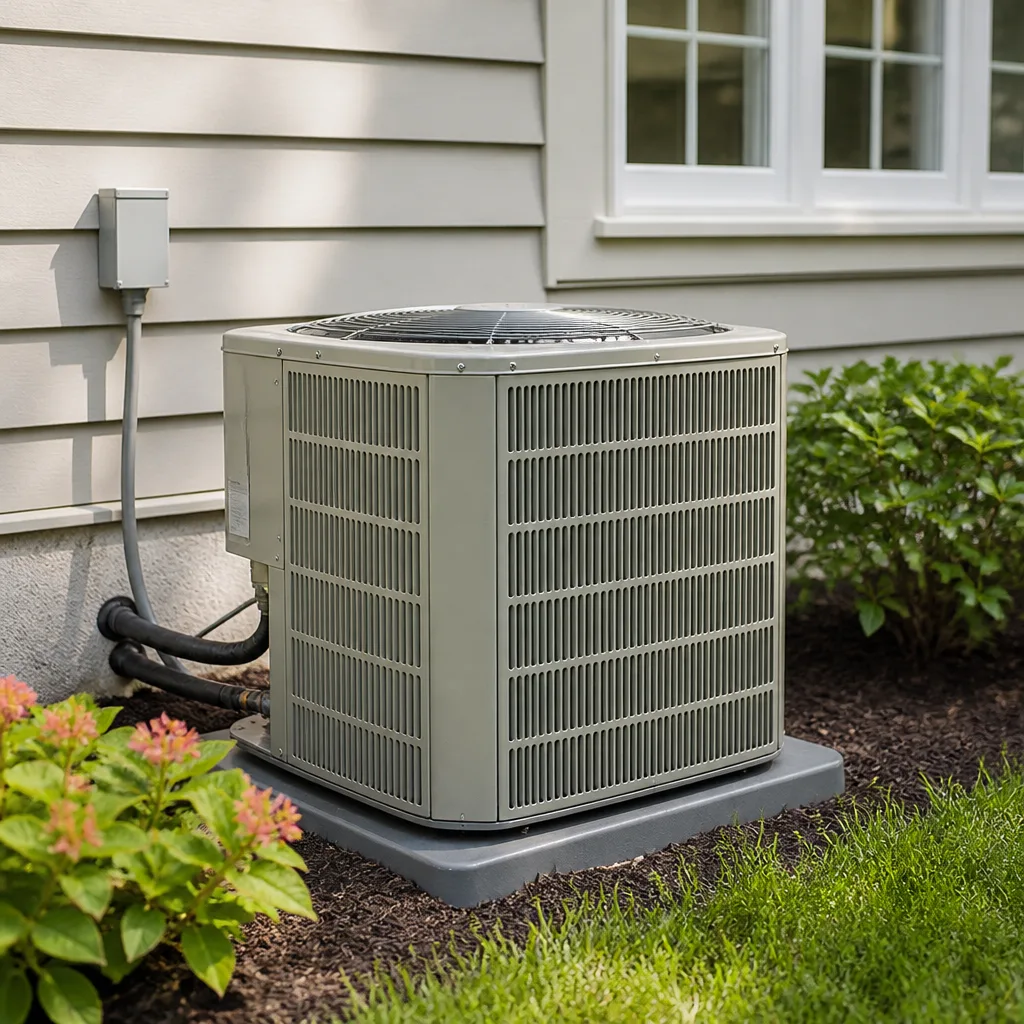
 AC repair
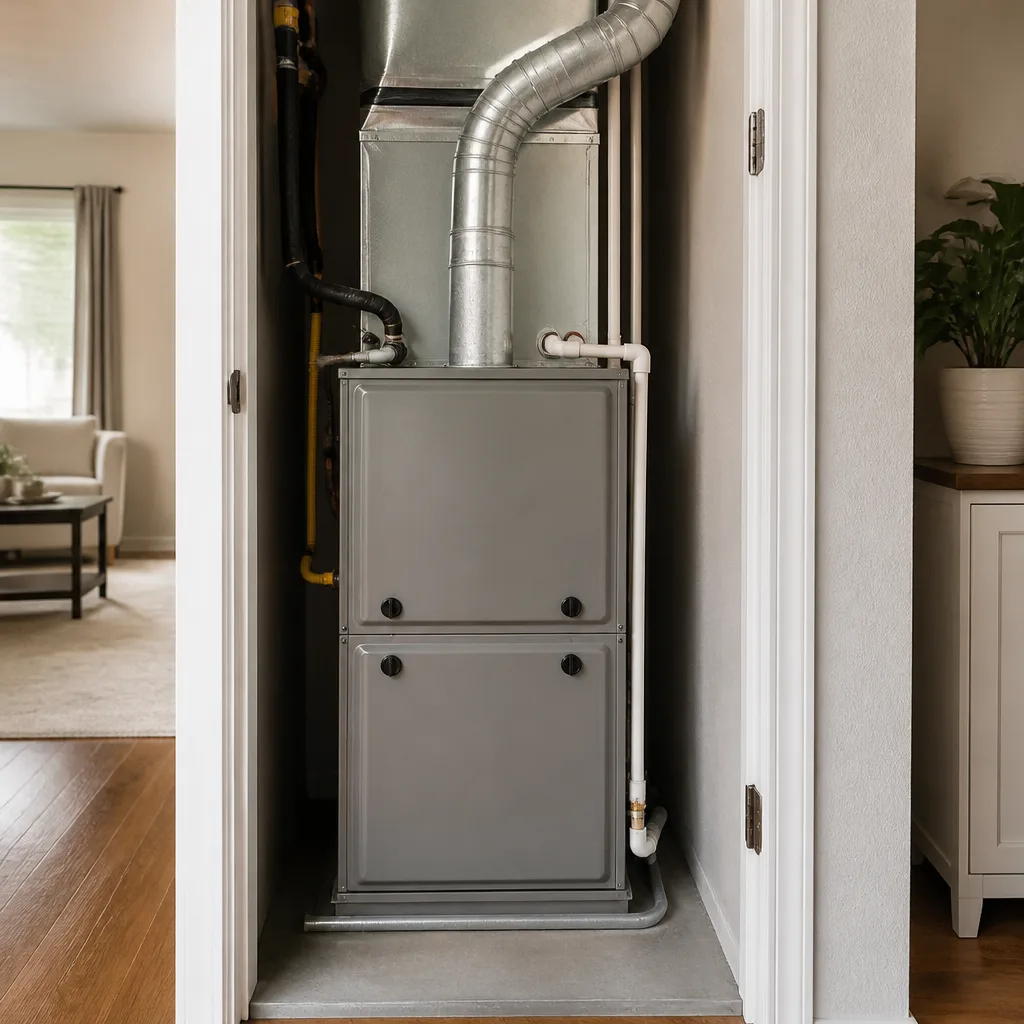 Furnace & heating
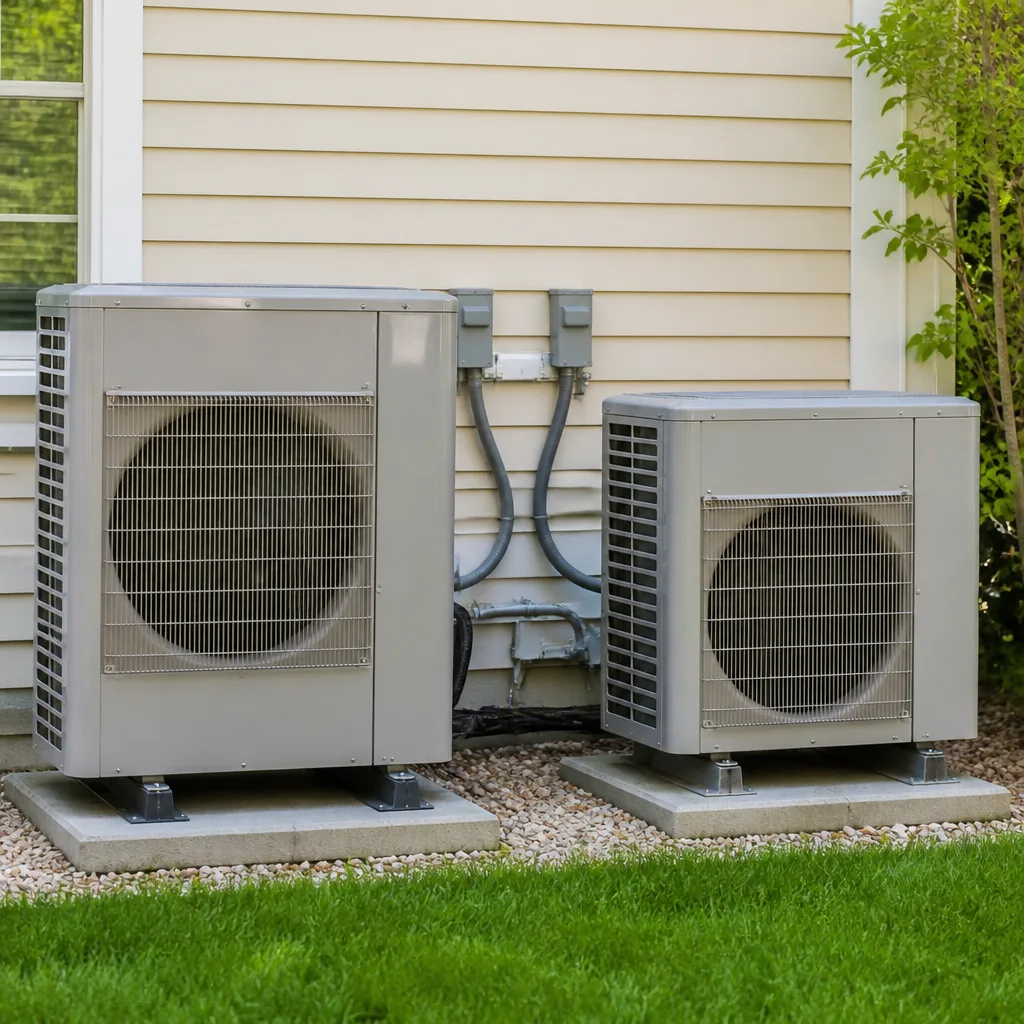 Heat pumps
 Ductless mini splits
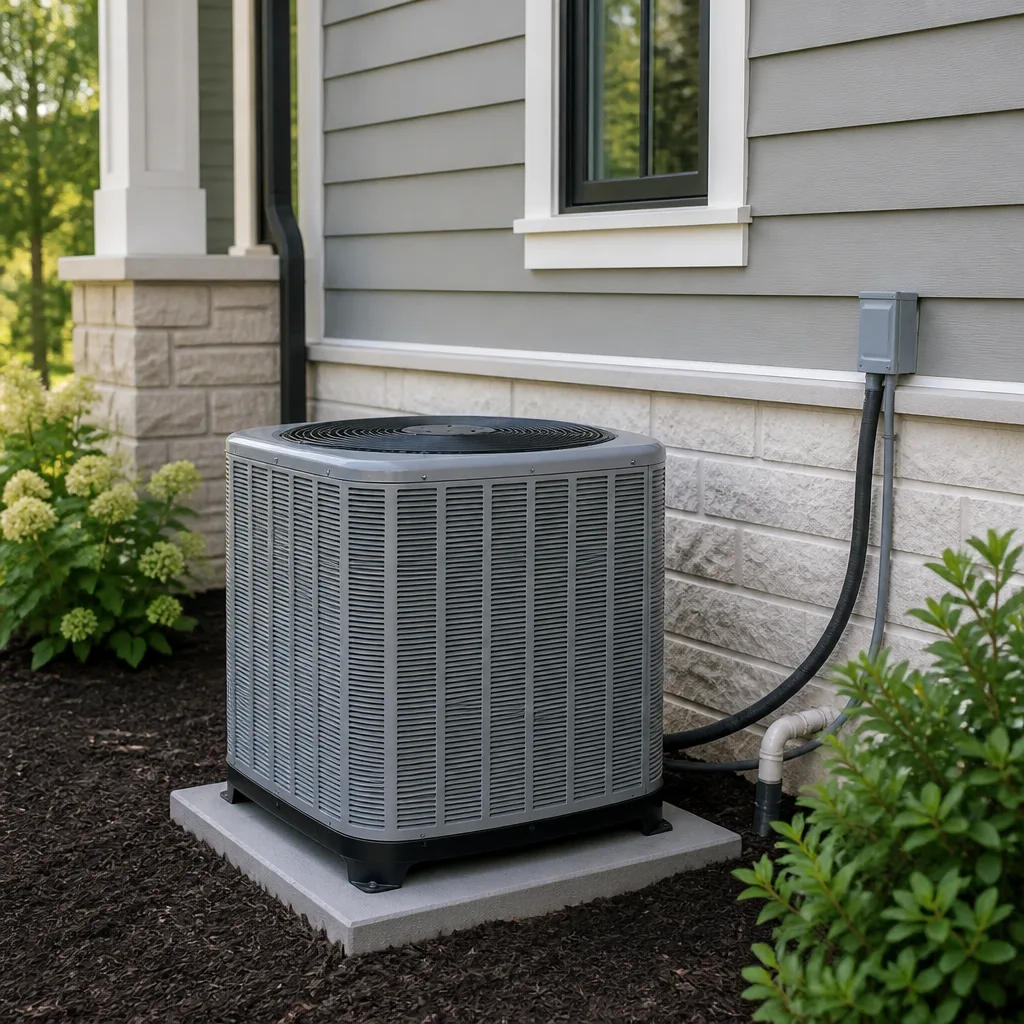 Carrier
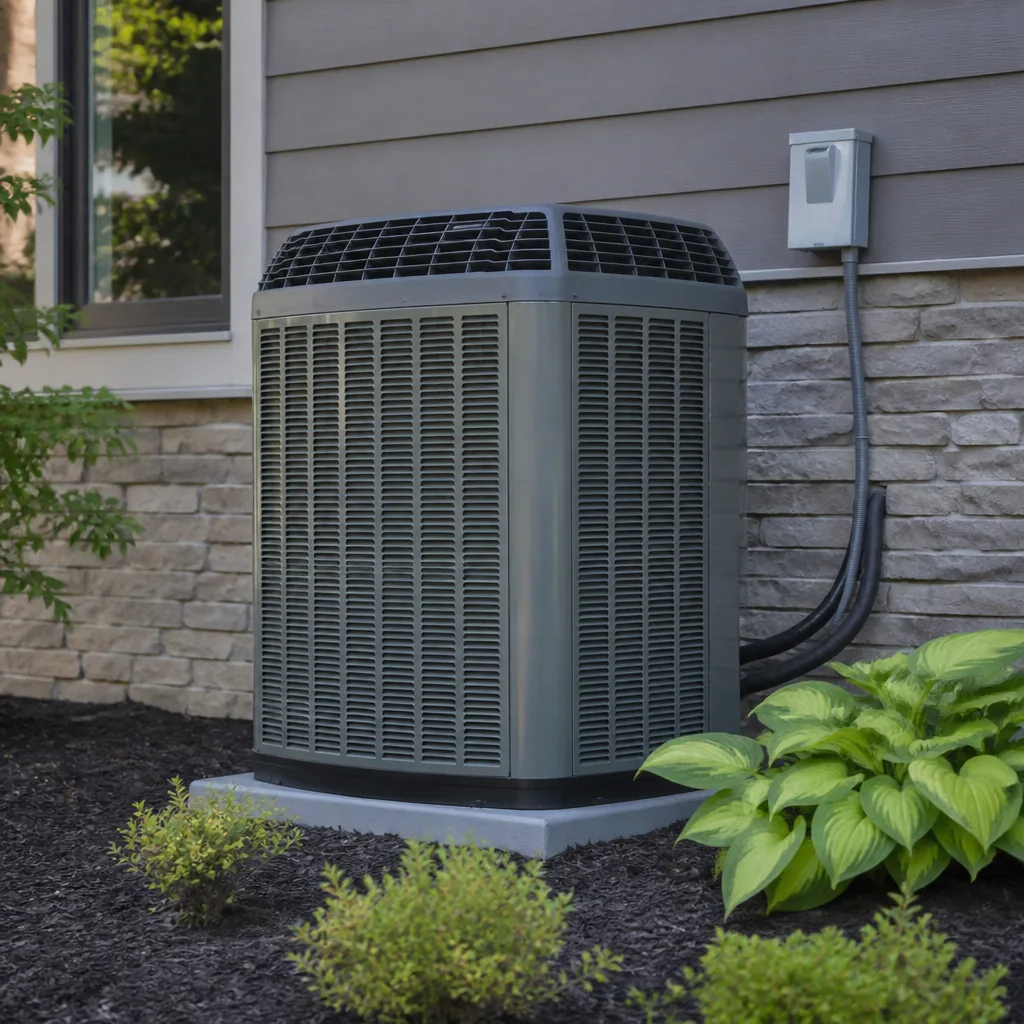 Trane
Trane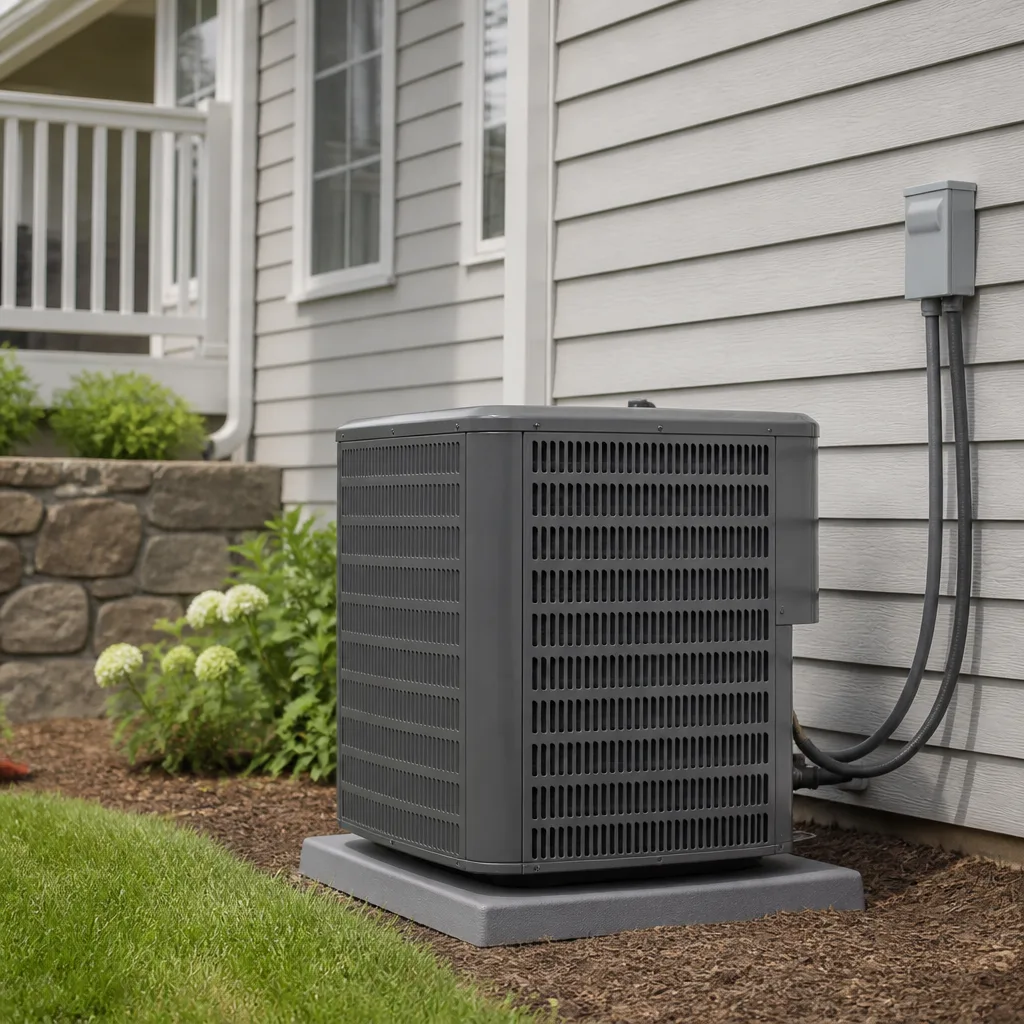 Goodman
Seasonal tune-up and full diagnostic on your Carrier, Trane, or Goodman system - readings shown to you before any repair is proposed
Diagnosis first, numbers second - you approve the repair price before a single part goes in.
Get your free estimateCarrier Ductwork Repair: The Dallas Owner’s Guide
Carrier ductwork repair in Dallas typically runs $150 – $650 depending on whether we’re sealing a failing joint, replacing a crushed section, or re-sizing a return that’s been choking your system since the day it was installed. Most duct repairs are done same-day because the real problem is rarely the duct itself. It’s the air you’re losing into your attic or crawlspace while your Carrier unit works double-time to keep up.
Here’s how most Dallas homeowners discover their ductwork has failed: the system runs constantly, one room stays hot while another freezes, and the utility bill arrives looking like a car payment. Then they go up into the attic and find a section of flex duct that’s collapsed under its own weight, or a metal seam that’s pulled apart and blowing conditioned air into a 140-degree attic. Devin Marlowe has peeled back enough attic insulation in Oak Cliff, Lakewood, and Richardson to know that ductwork fails quietly. It doesn’t throw an error code. It just bleeds money every month.
We’re an independent service provider. We’re not affiliated with Carrier, but we work on their equipment every week. We stock Carrier-compatible duct components on our trucks, and we know which aftermarket parts hold up in Texas attics and which ones don’t.
Which Carrier Models This Applies To
Ductwork isn’t model-specific the way a control board or blower motor is. Your Carrier unit, whether it’s an Infinity, Performance, or Comfort series, connects to ductwork that was cut and fitted to your home’s layout. What matters is duct size, material, and condition, not the badge on the condenser.
That said, there’s a compatibility gotcha most homeowners don’t know about. Higher-end Carrier systems, especially Infinity and Greenspeed models with variable-speed blowers, are far less tolerant of duct problems than basic single-stage units. The variable-speed motor reads static pressure and adjusts continuously. When ducts are undersized or leaking, the motor ramps up to compensate, which shortens its life and can trigger fault codes that look like an equipment problem when the real issue is in the ducts. We see this often in homes built in the 1990s and 2000s across the Dallas metroplex, where builders sized ducts for cheap single-stage systems. Then someone upgraded to a variable-speed Carrier and nobody touched the ductwork.
OEM versus aftermarket: Carrier-branded duct components are fine, but they’re not where the cost should go. Flex duct, collars, takeoffs, and mastic are commodity items. What matters is installation quality: how the connections are sealed, whether the duct is properly supported every four to five feet, and whether the sizing makes sense for your system’s airflow requirements. We install quality aftermarket duct materials, because shelling out for a Carrier logo on a piece of galvanized steel doesn’t make your system move air any better.
Styles & brands we work with
Signs Your Carrier Ductwork Repair Is Failing
- Rooms that never reach the thermostat setpoint. This usually means a section of duct has disconnected or collapsed somewhere between the plenum and that room’s register. The air is being made, it’s just not arriving.
- A sudden spike in your electric bill with no change in usage. Leaky ducts mean your Carrier system runs longer to hit the same temperature. In a Dallas July, a 20% duct leak can add $40 – $80 to your monthly cooling cost.
- Dust accumulating fast on furniture and around vents. Return-side duct leaks pull attic air, insulation fibers, and dust directly into your system. You’re not just losing air, you’re importing dirt.
- Whistling or rushing-air sounds behind walls or above ceilings. That’s air escaping through a gap or pinhole under pressure. Properly sealed ducts are quiet. Loud ducts are leaking ducts.
- Musty or stale smell from the vents when the AC kicks on. In Dallas humidity, a return leak in the attic pulls in hot, damp air that can condense inside the duct. That moisture encourages mold growth and makes the air smell like a damp crawlspace.
See the difference
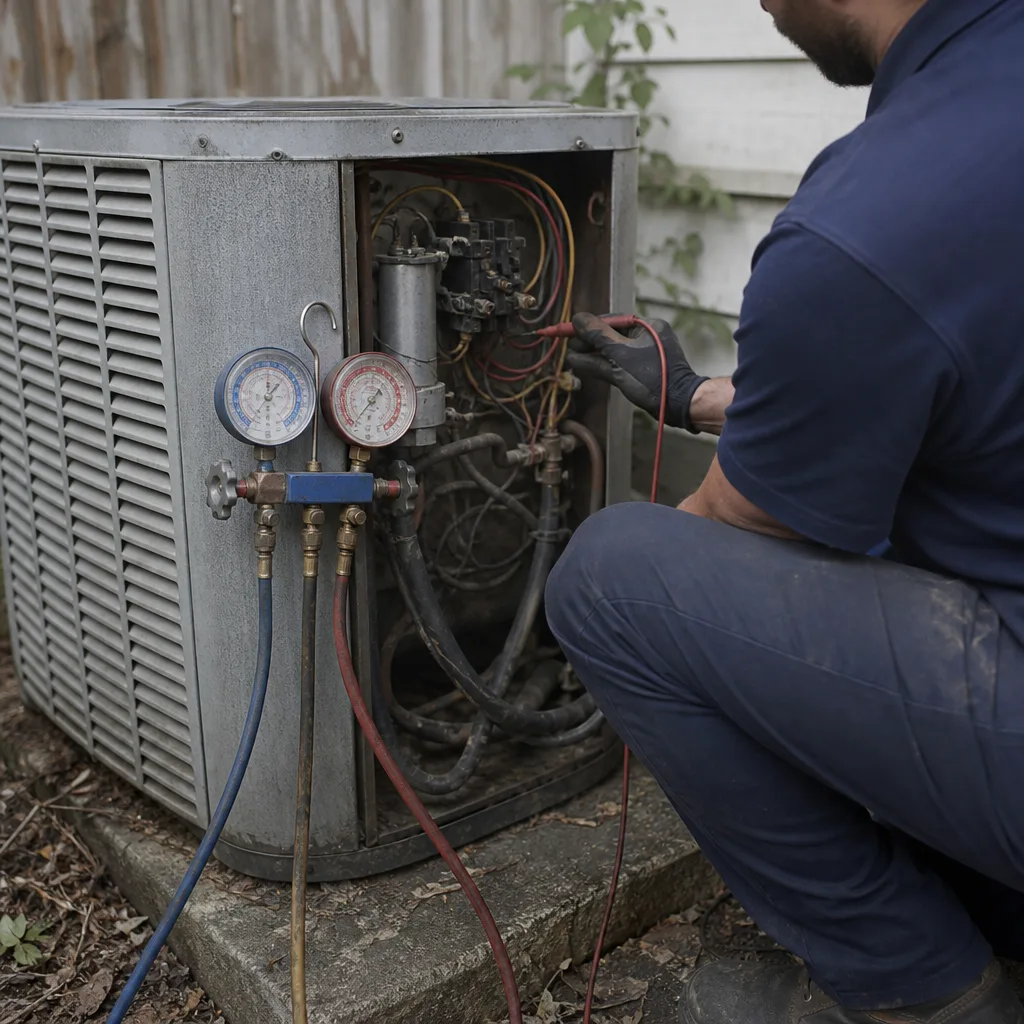 Before
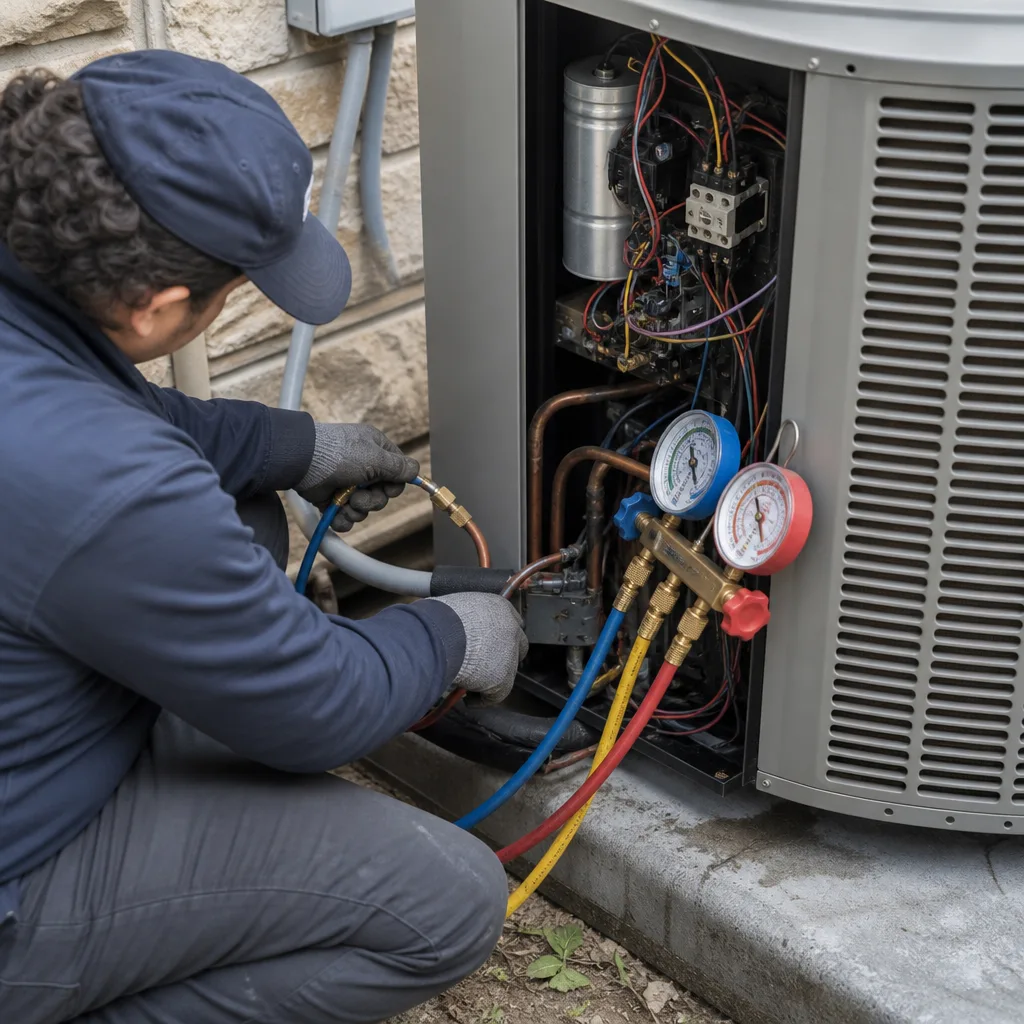 After
After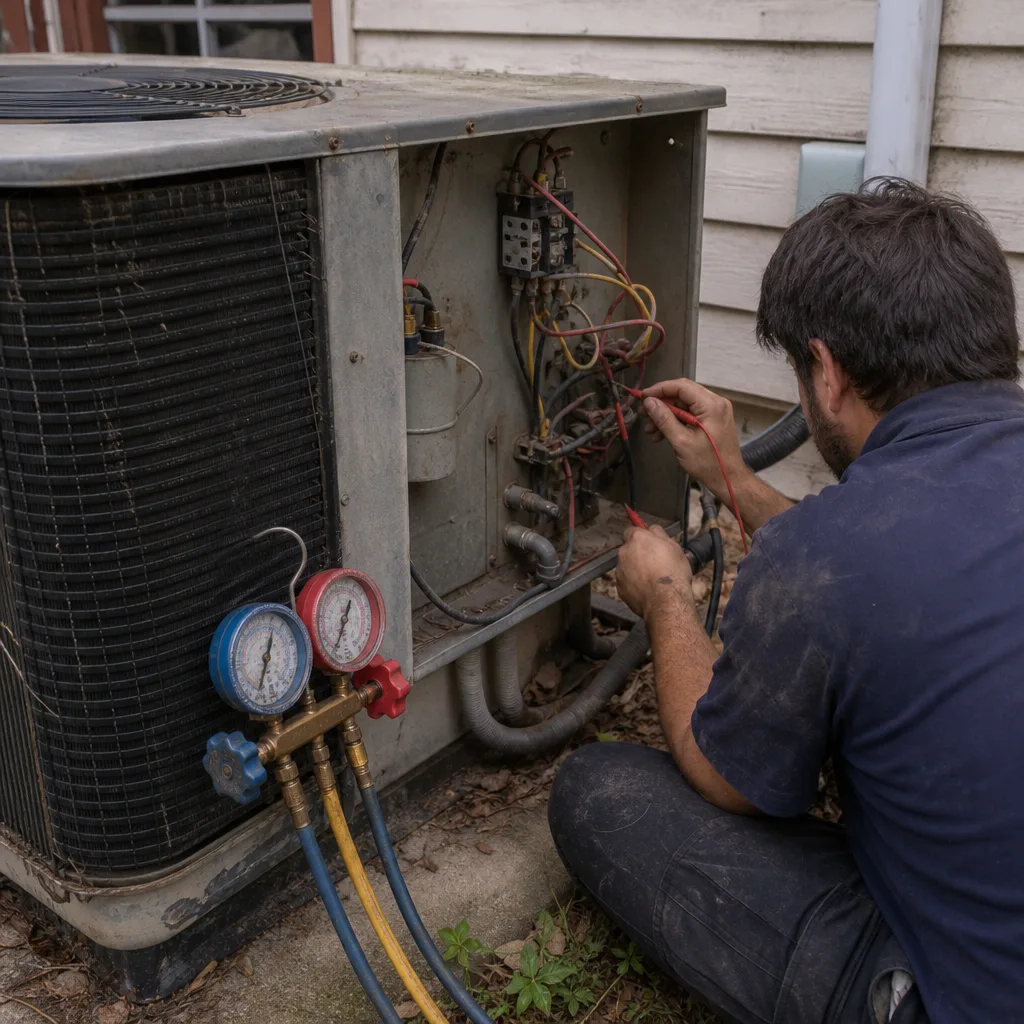 Before
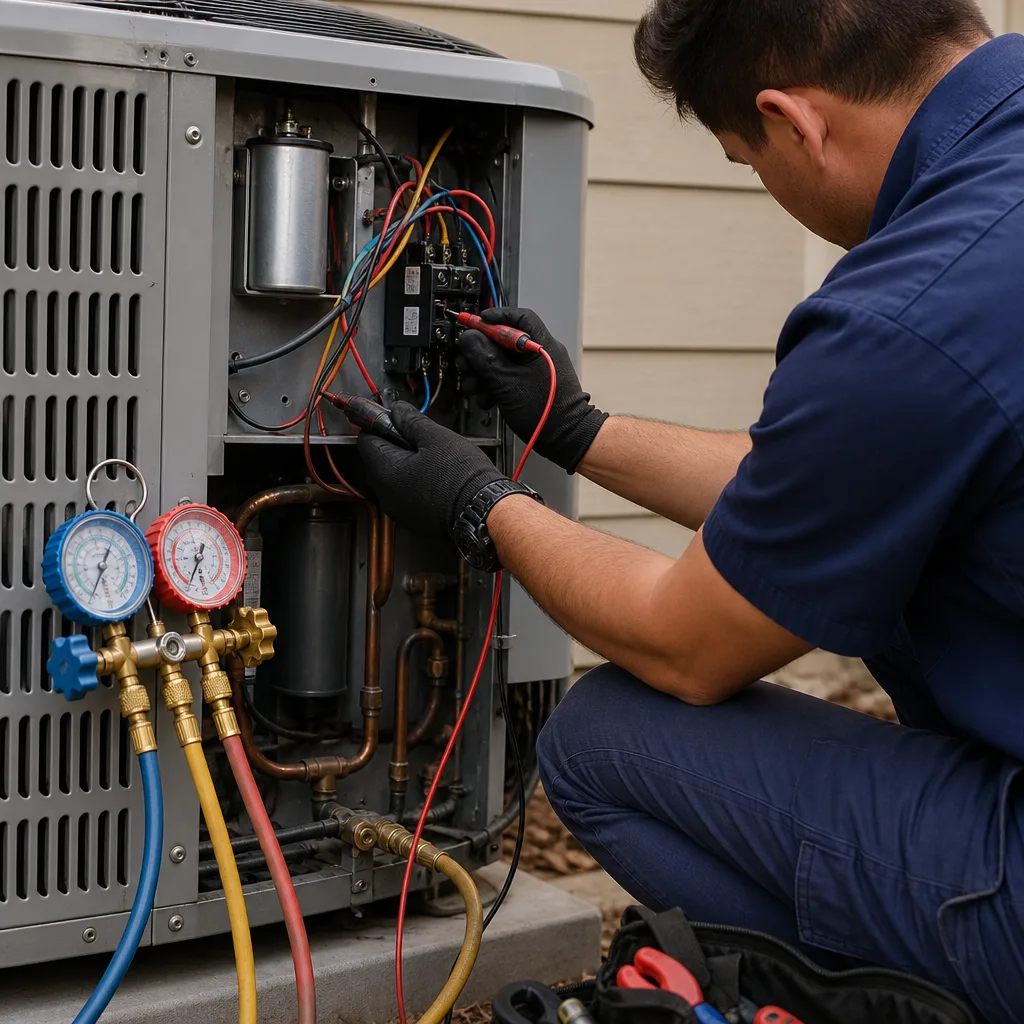 After
After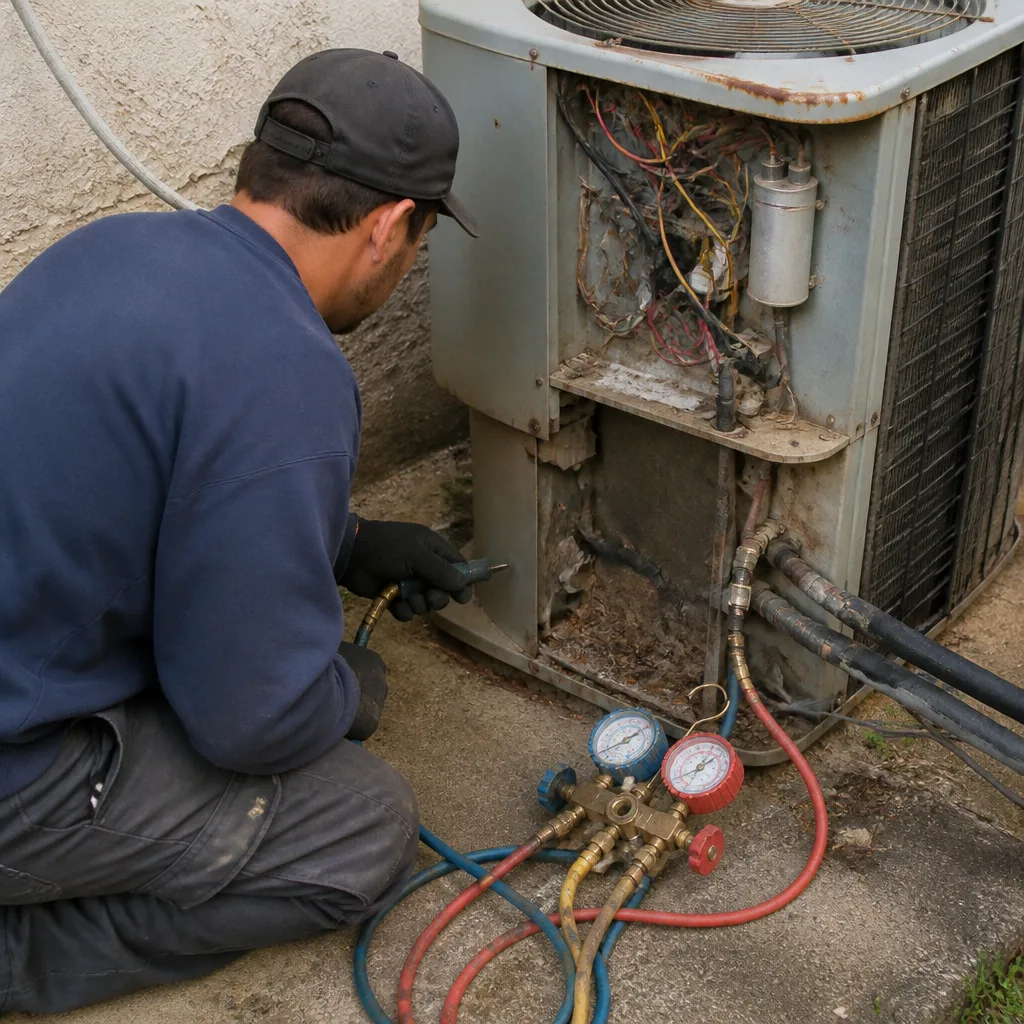 Before
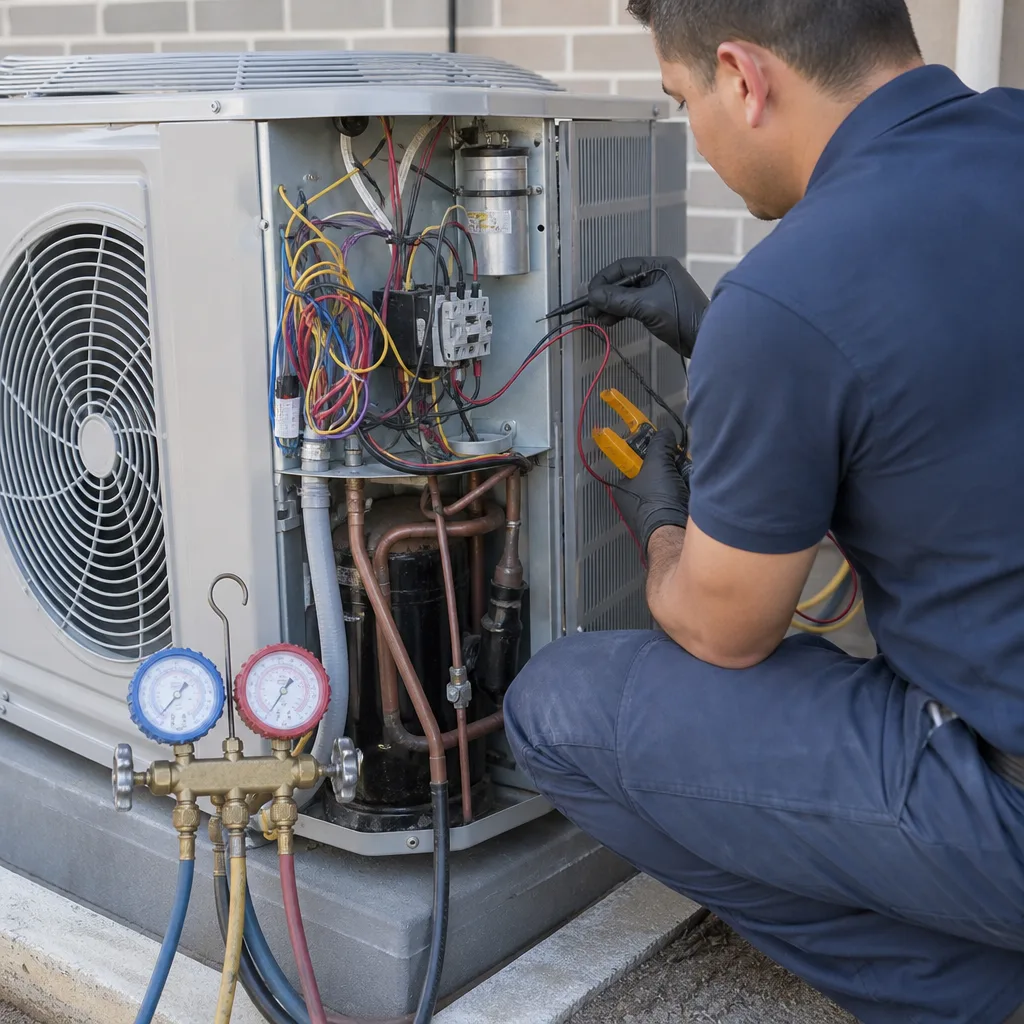 After
AfterReplacement Cost & What’s Included
In Dallas, most Carrier ductwork repairs land between $150 and $650. Here’s what drives the range:
- Simple sealing and mastic work on a few accessible joints: $150 – $300
- Replacing a collapsed or torn flex duct run up to 10 feet: $250 – $450
- Repairing a crushed metal trunk line or re-sizing a return: $400 – $650
- Full duct system sealing and insulation assessment: $300 – $600, depending on attic access and system size
Every ductwork repair from Brandt HVAC Co Dallas includes a written price before we touch anything. You’ll see parts and labor broken out, and you’ll sign off on the number before work starts. No surprises, no “we found more once we got up there” phone call. We also include a written guarantee on every repair. If the repair fails within 365 days, we come back and make it right at no charge under our 365-Day Done Right Promise. That’s the guarantee. It covers the work we did, in writing, for a full year.
DIY or Call Us?
You can check a few things safely. Walk the attic if you’re comfortable doing so and look for obvious tears in flex duct, disconnected joints, or ducts that are pinched under stored boxes. Look for wet insulation around duct connections, which signals condensation from a leak. And you can hold a tissue near vents while the system runs to see if air is actually moving.
Here’s where DIY goes sideways. Proper duct sealing requires mastic applied correctly, not duct tape (which fails in Texas attic heat within a year or two). Replacing duct runs means understanding airflow calculations, friction rates, and proper support spacing. Get it wrong and you’ll choke your Carrier system’s airflow, which creates a whole new set of problems that cost more than the original repair. Ductwork failures also sometimes require working in tight attic spaces in 130-degree heat, which is genuinely dangerous if you’re not used to it. If you find damage, call us at (325) 312-3269. We’ll tell you what we found, what it costs to fix, and have it done before your attic cools down for the evening.
FAQs
Flex duct typically lasts 15 – 20 years in Dallas attics before the inner liner degrades and the insulation breaks down. Metal trunk lines can last 40+ years if the connections stay sealed. If your home was built before 2008, it’s worth having your ducts inspected for leaks and collapsed sections, especially if your Carrier system is newer than the ductwork.
Yes, in most cases. A torn flex duct under 10 feet long can be replaced for $250 – $450, and seam leaks on metal ducts can often be sealed with mastic for under $300. Full replacement only makes sense when the duct system is undersized, severely degraded, or so leaky that spot repairs would be like patching a tire with three other holes in it. Call us at (325) 312-3269 and we’ll tell you honestly which situation you’re in.
Most duct repairs take 1 – 3 hours once we’re on site. Replacing multiple duct runs or re-sizing a return can take a half day. We’ll give you a time estimate along with your written price before we start, and our technicians work cleanly, wearing booties and laying down drop protection in the living areas they pass through.
We stock duct components that work with all major brands, including Carrier, Trane, and Lennox. That means flex duct in common sizes, takeoffs, collars, mastic, and metal stock. If your repair needs something unusual, we can typically have it the same day from a Dallas-area supplier, so you’re not waiting on a part for a week while your attic bakes.
Written by Devin Marlowe, Owner, Brandt HVAC Co Dallas at Brandt HVAC Co Dallas, serving Dallas and nearby areas.