
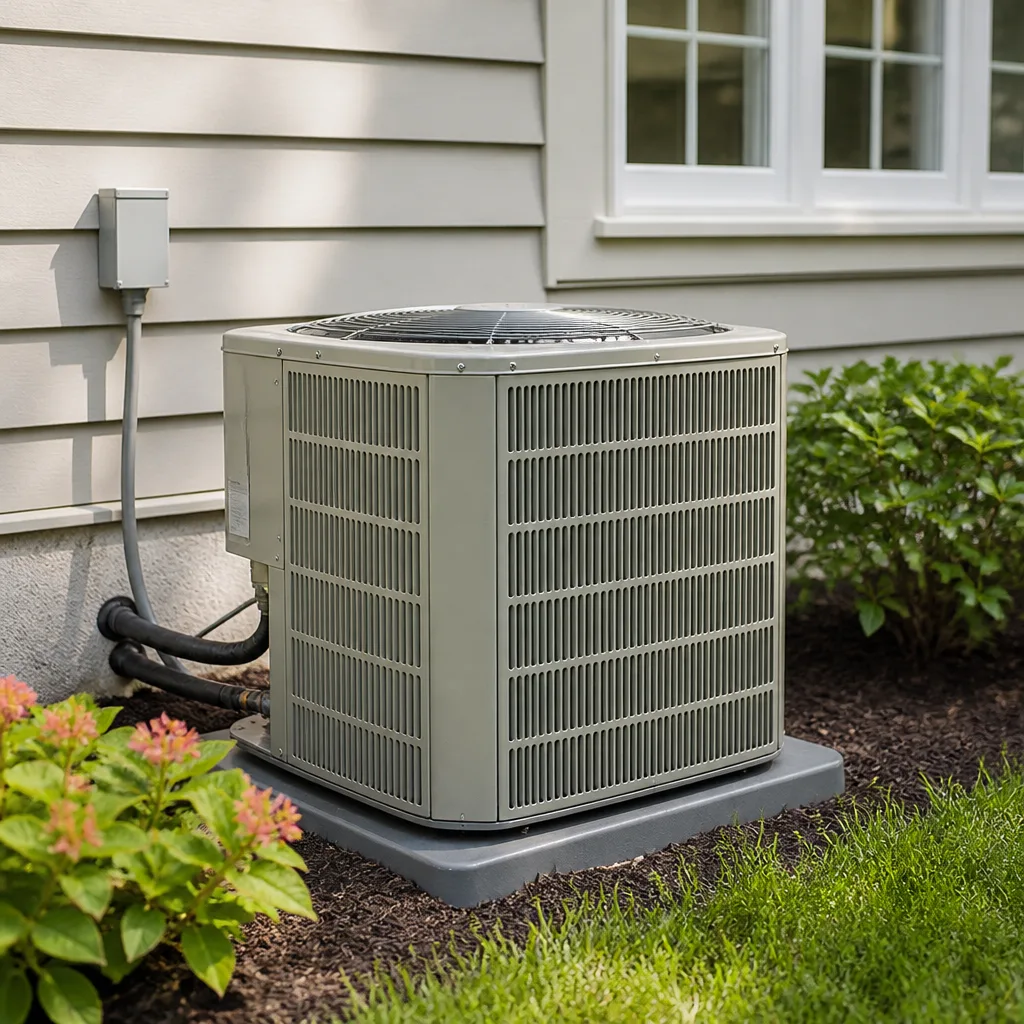
 AC repair
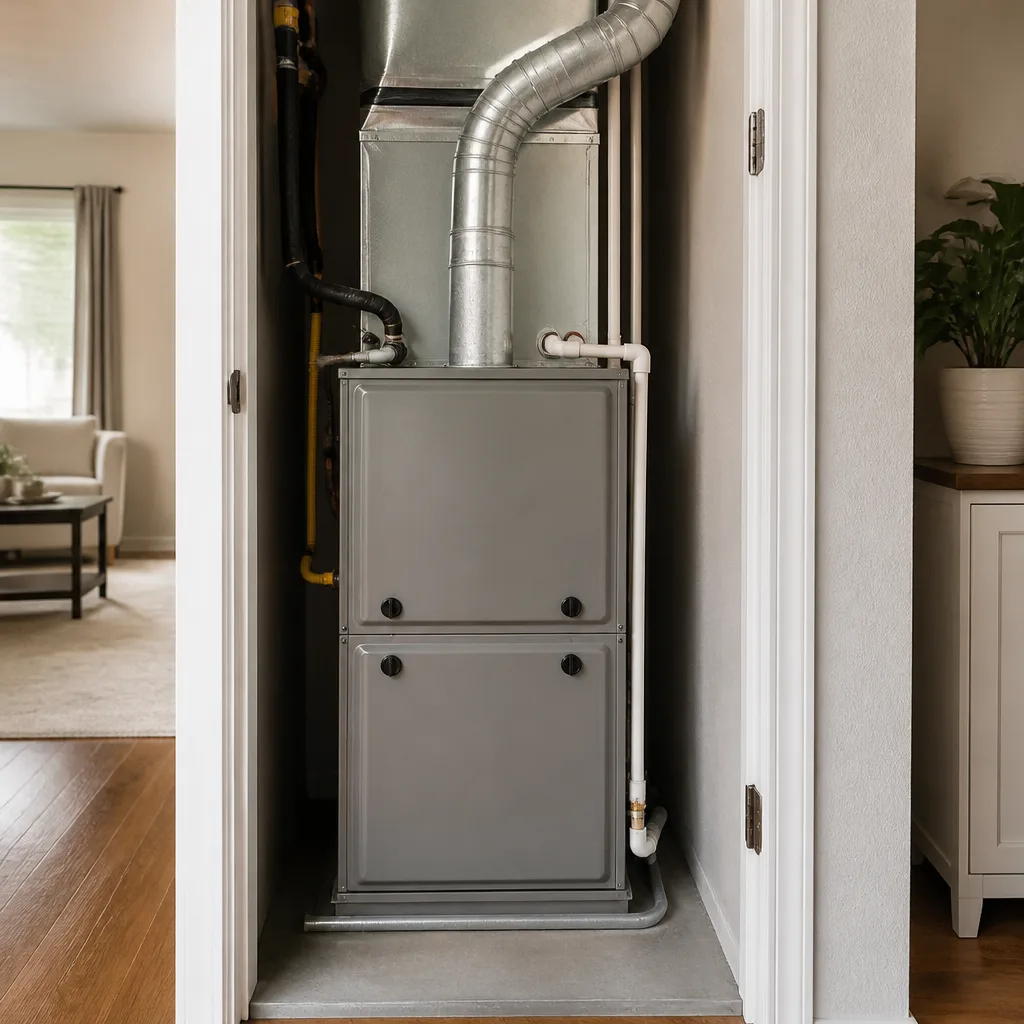 Furnace & heating
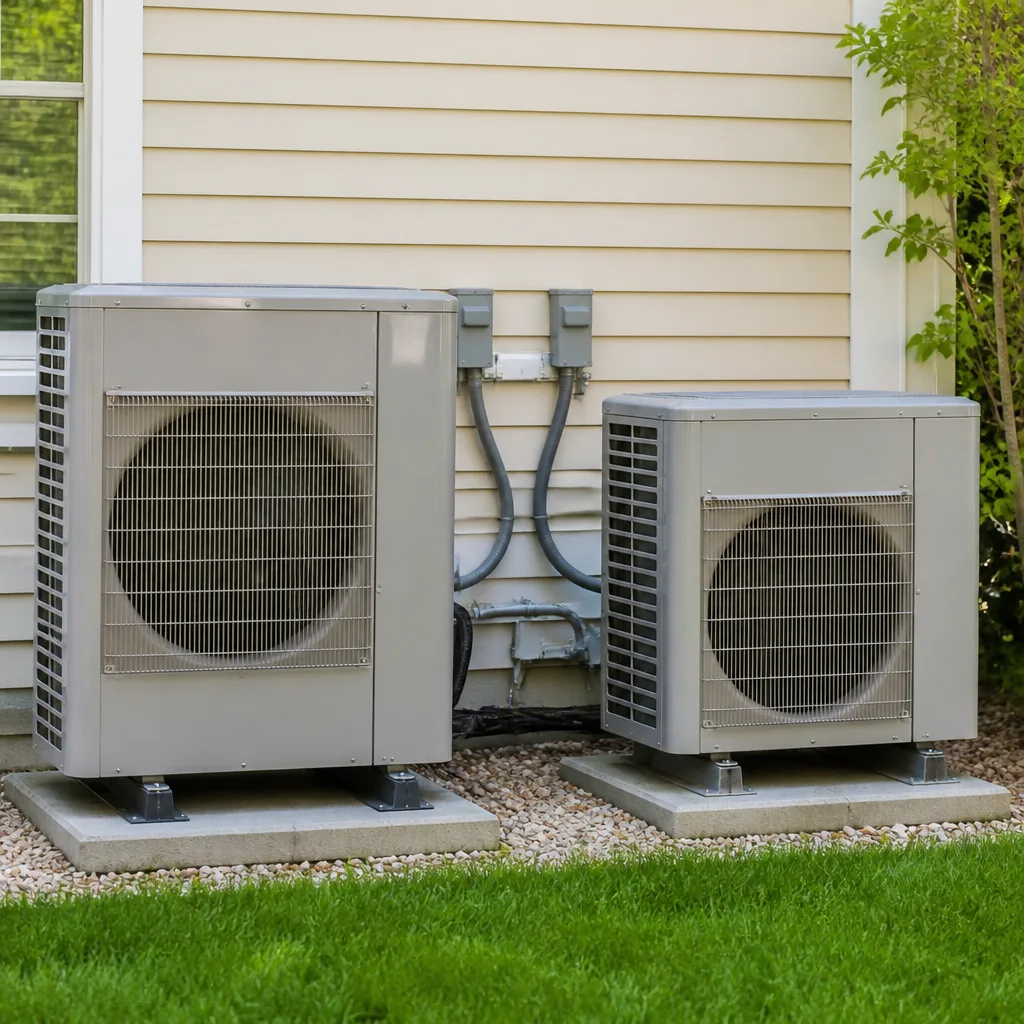 Heat pumps
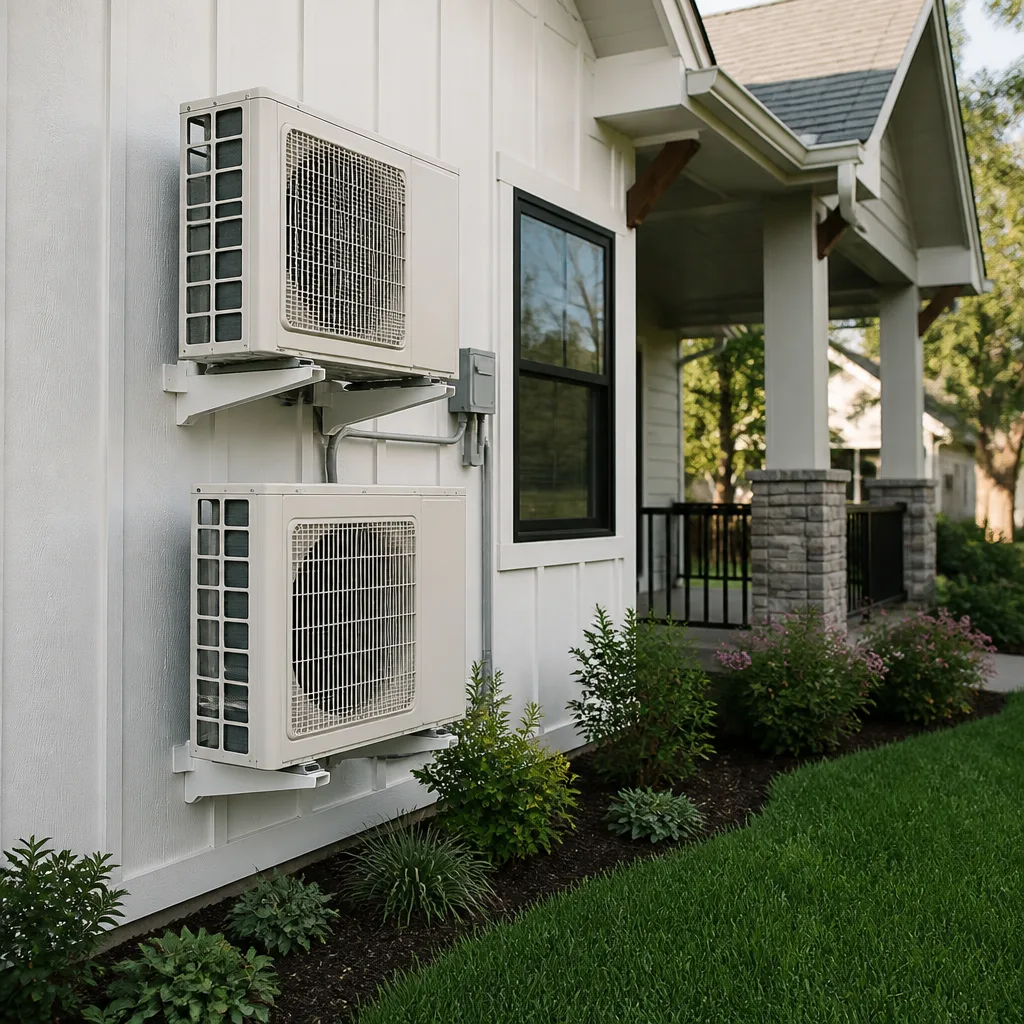 Ductless mini splits
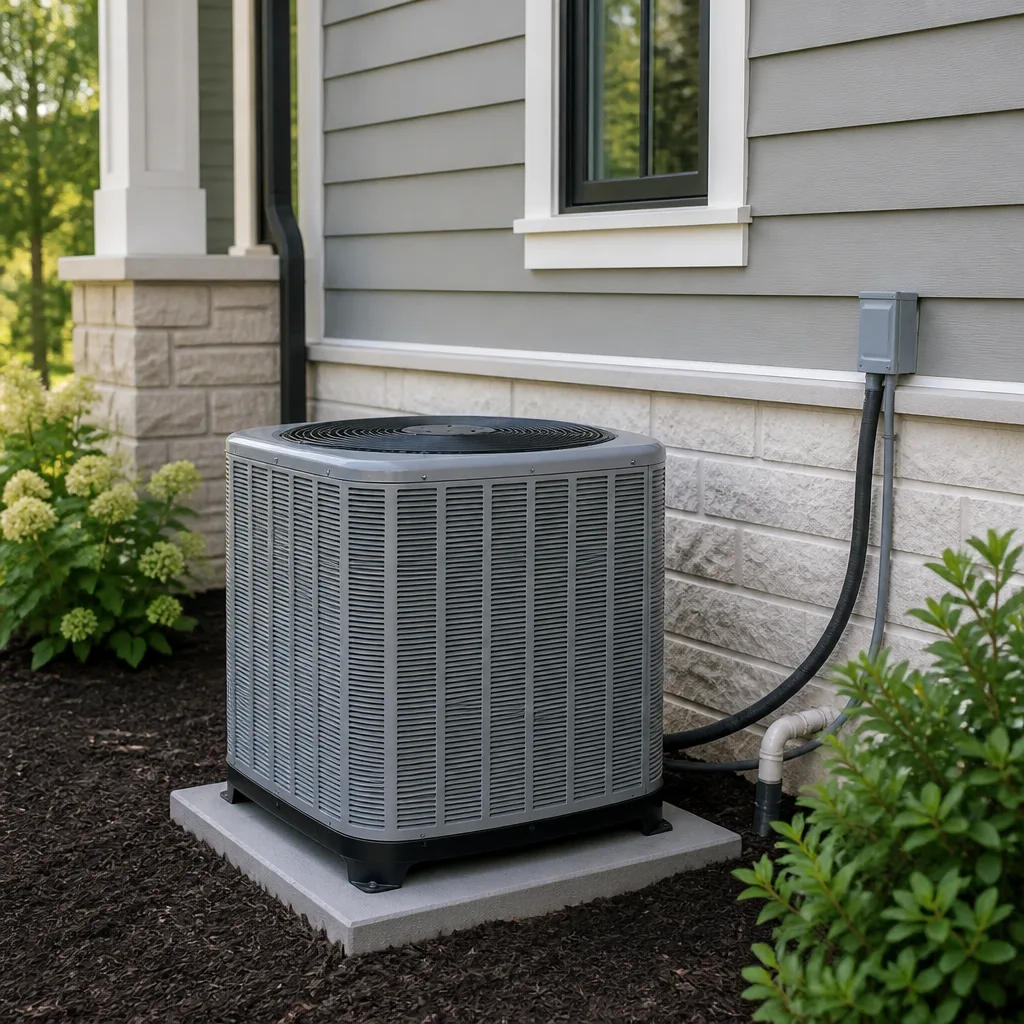 Carrier
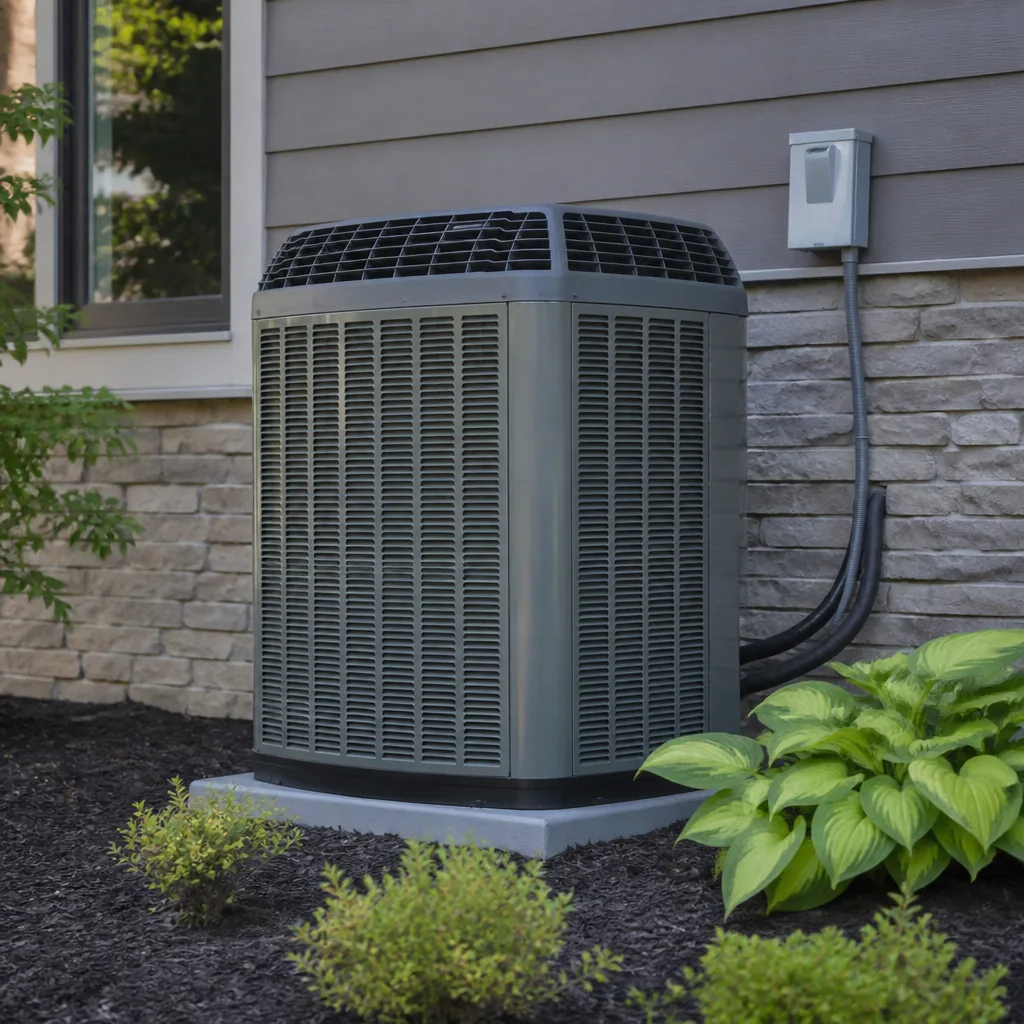 Trane
Trane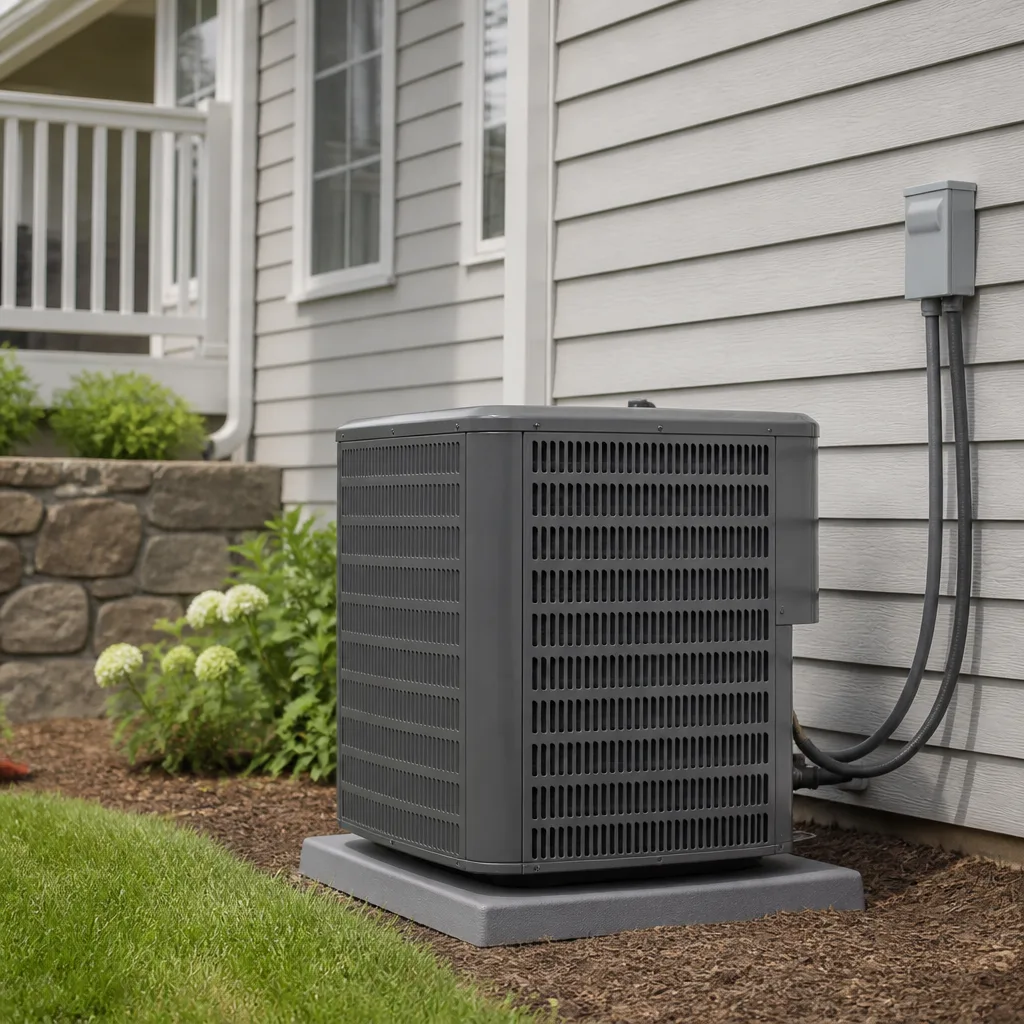 Goodman
Seasonal tune-up and full diagnostic on your Carrier, Trane, or Goodman system - readings shown to you before any repair is proposed
Diagnosis first, numbers second - you approve the repair price before a single part goes in.
Get your free estimateBryant Capacitor Replacement: The Dallas Owner’s Guide
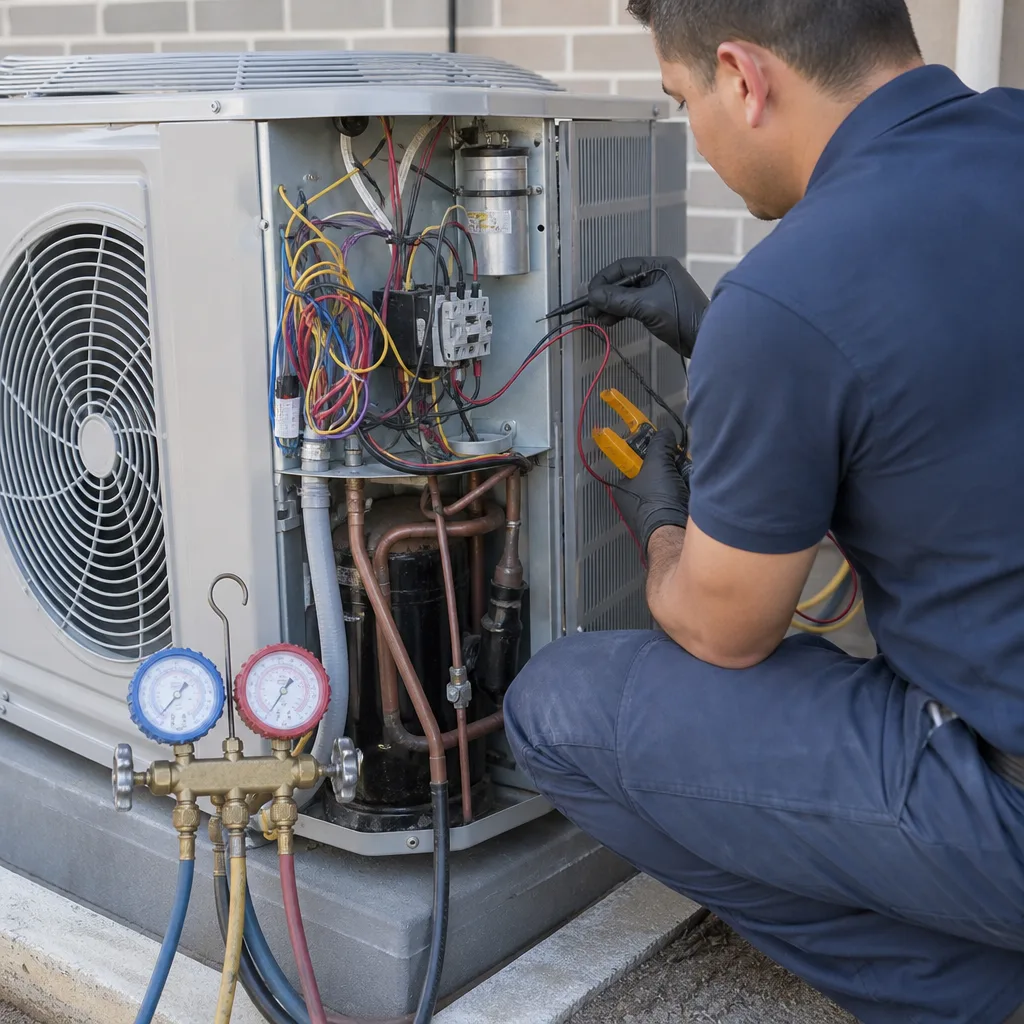
If your Bryant air conditioner or heat pump has stopped cooling, a failed capacitor is the culprit in roughly half the no-start calls we run across Dallas. We stock Bryant-compatible capacitors on our trucks and typically install them same-day for $180 – $340, parts and labor included. Here’s the scene we see most often: the outdoor unit hums but the fan doesn’t spin, or it tries to start and shuts right back down. That’s the capacitor telling you it’s done.
A capacitor is a small metal cylinder inside your condenser or air handler that stores and releases the electrical jolt needed to start the compressor and fan motor. Dallas heat is brutal on them. We see Bryant units that came with the house fifteen years ago and have never had a capacitor replaced. The owner calls us because the upstairs is 86 degrees and the compressor is making a sound like a dying lawnmower. It’s almost always the capacitor.
Quick note: Brandt HVAC Co Dallas is an independent service provider. We are not affiliated with Bryant, Carrier’s parent company, or any manufacturer. We just fix a lot of their equipment.
Which Bryant Models This Applies To
Bryant has used capacitors across its residential lines for decades, and most model families share the same electrical architecture. If your condenser has a model number starting with the Legacy, Preferred, or Evolution lines, you’re looking at a standard dual-run capacitor in almost every case. The older builder-grade Bryant units typically use a single dual-run capacitor rated at 35/5, 40/5, 45/5, or 50/5 microfarads. The first number powers the compressor, the second powers the fan.
The fast way to identify what you have: open the electrical access panel on the condenser and read the silver label on the capacitor itself. It lists two microfarad ratings and a voltage rating, usually 370 or 440 volts. You want the replacement to match the microfarad values exactly and meet or exceed the voltage rating. A 440-volt capacitor is the better option in Dallas because sustained 100-degree afternoons push your unit harder, and higher voltage tolerance means the part runs cooler and lasts longer. We keep both on the truck.
One Bryant-specific gotcha worth knowing: the Evolution series uses a variable-speed compressor, and some of those units do not use a traditional start capacitor at all. They rely on an inverter board that handles start torque electronically. If an Evolution unit won’t start, don’t assume it’s a capacitor. We check the board first. Also, the OEM capacitor Bryant ships under its own label is made by the same third-party manufacturers that supply the trade brands, but it often costs twice as much. We install quality aftermarket equivalents that meet the same AMETEK or Genteq spec, and we warrant them the same way.
Styles & brands we work with
Signs Your Bryant Capacitor Replacement Is Failing
- The outdoor unit hums but the fan doesn’t turn. The capacitor has lost enough of its stored charge that it can’t get the fan motor moving. The hum is the contactor pulling in and sending power, but nothing happens downstream. If you catch it early, a push-start with a stick through the fan guard will confirm it, but that’s a short-term test, not a fix.
- The compressor clicks on, runs a few seconds, then shuts off. This is the cap failing under load. The compressor draws a huge starting current, and a weak capacitor can’t sustain it. The system trips on overload, waits, tries again. Every cycle like this is hard on the compressor windings, and the clock is running.
- The top of the capacitor looks swollen or the side is bulging. Heat causes the dielectric fluid inside to break down and expand. Swelling or a rounded top is the visible proof the part has failed internally. If you see oil leaking from the base or a cracked plastic casing, it’s done.
- The AC runs fine, then the fan stops at random intervals. A capacitor that’s drifting in value can still start the motor sometimes and fail other times. You’ll notice the outdoor unit running but no air coming off the top, and the compressor is still chugging away without airflow. That’s a fast path to a cooked compressor, so don’t let this one ride.
- Your energy bill jumped and the system is running longer than it should. When the fan motor is under-torqued from a weak cap, it spins slower and moves less air. The system runs longer to hit the same thermostat setting. It’s a subtle sign, but we’ve diagnosed more than one capacitor by listening to the fan spin and then checking the draw with a meter.
On the electrical safety side of this, here’s what you need to know before anything else: capacitors store electricity even when the unit is off and disconnected. A charged capacitor can deliver a dangerous shock. There is no way to know what’s left in the unit without a meter and the training to use it. In Texas, we also see a lot of people poking around inside a condenser that was running ten minutes ago in 105-degree weather, which adds heat exhaustion to the list of risks. Call us instead.
See the difference
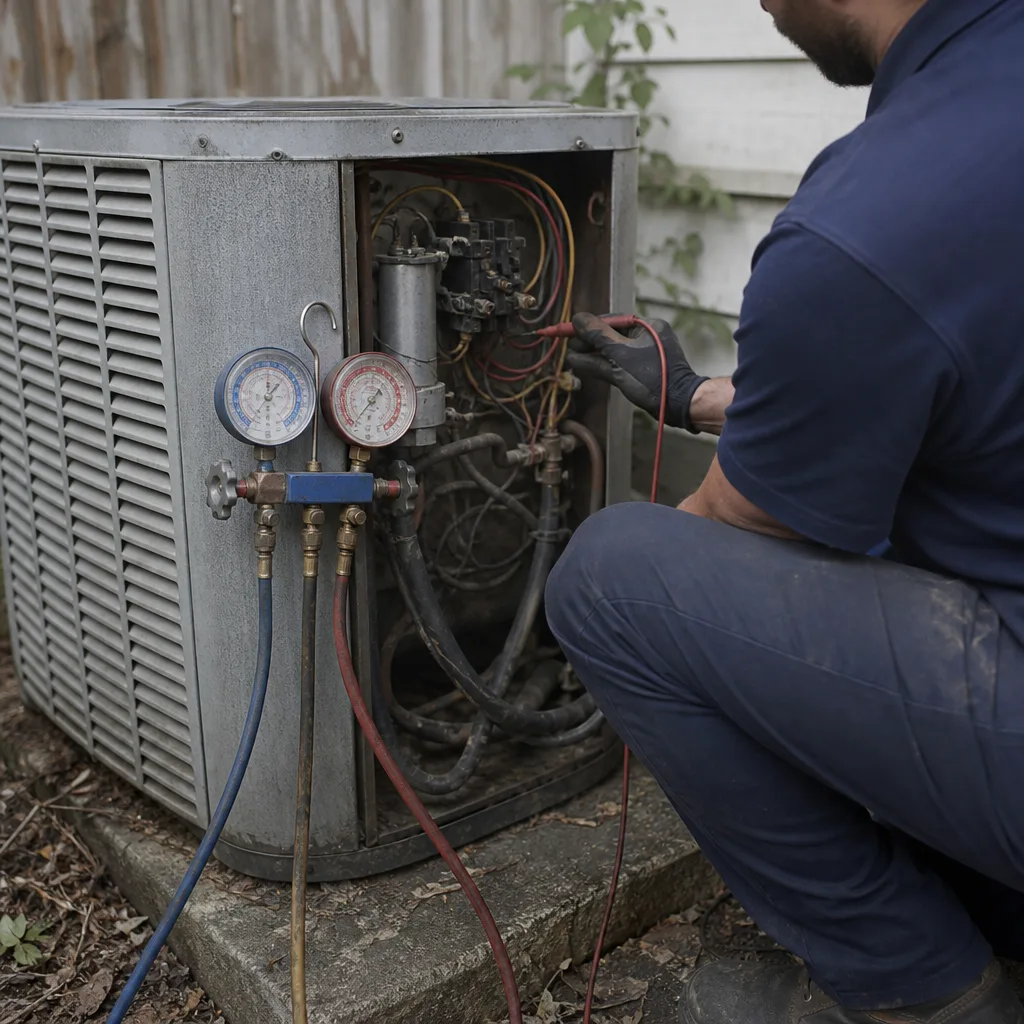 Before
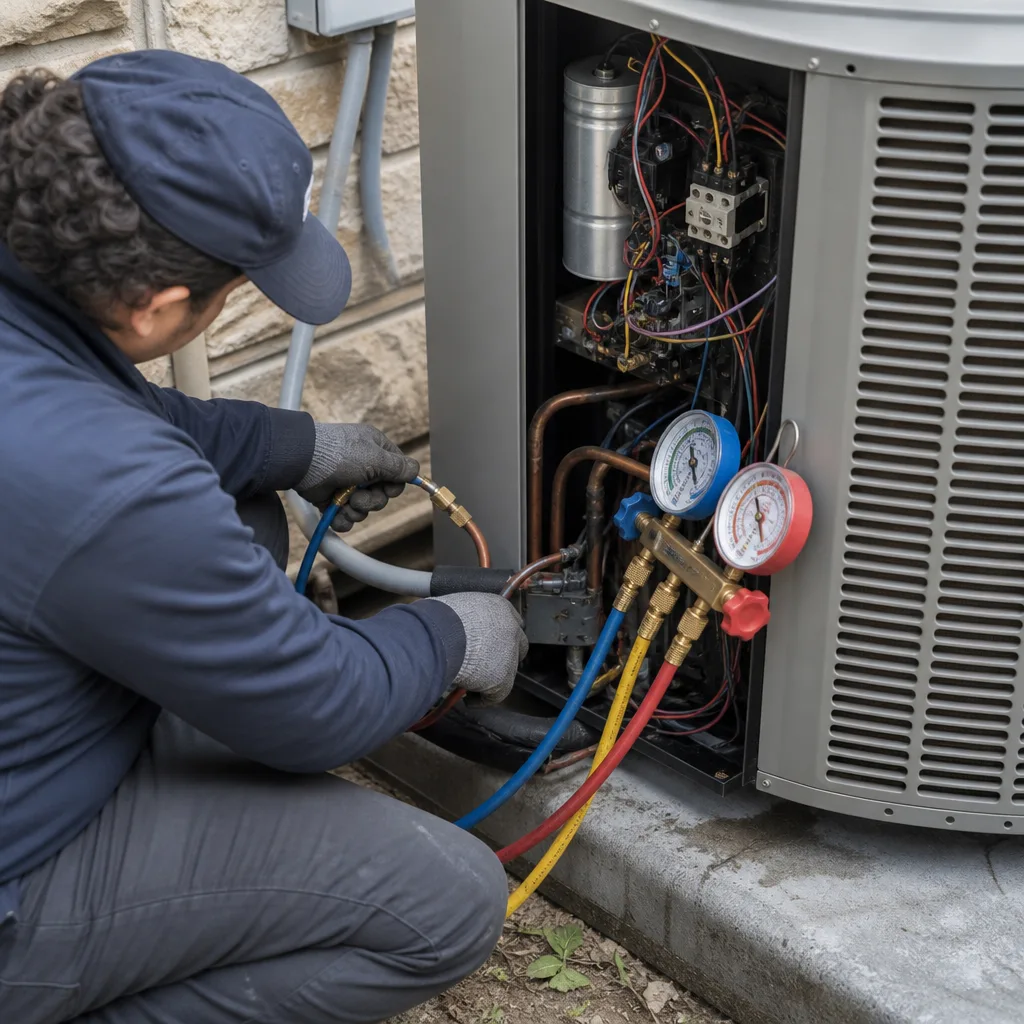 After
After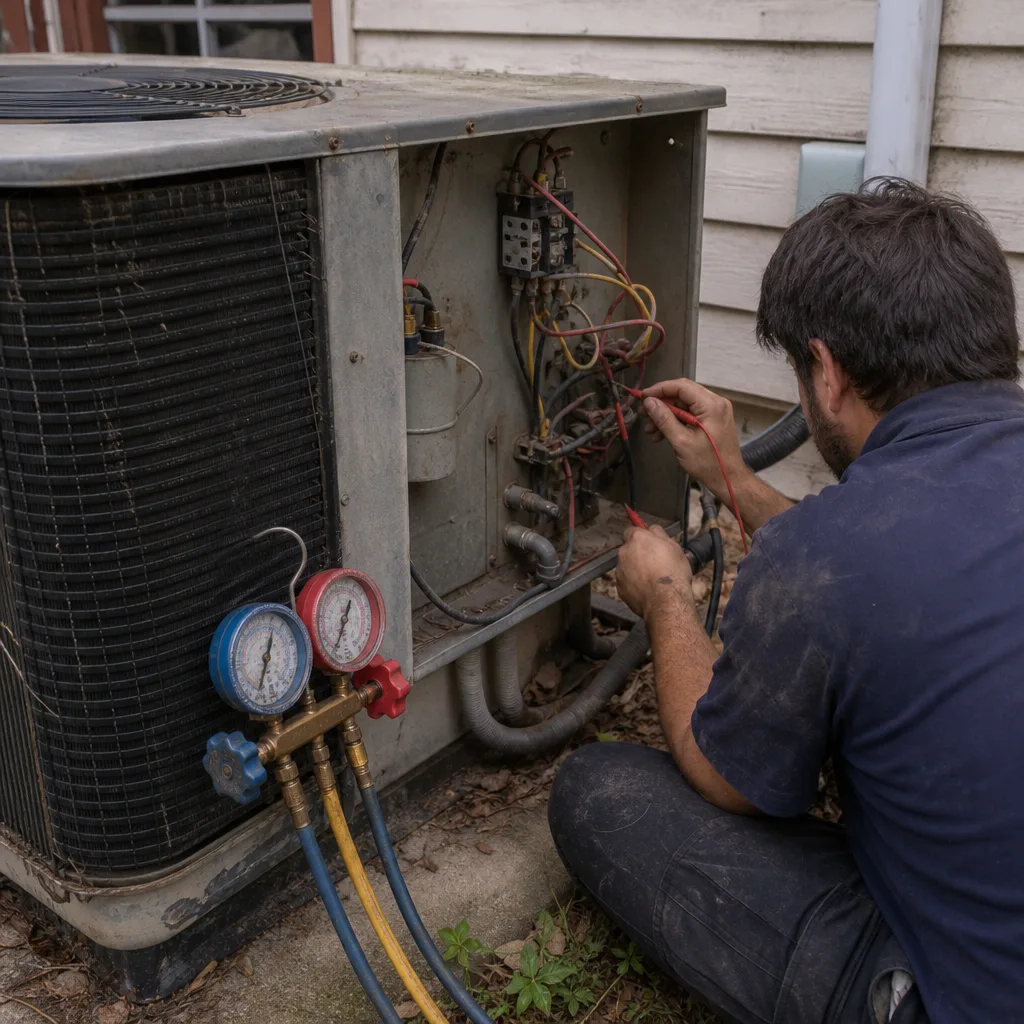 Before
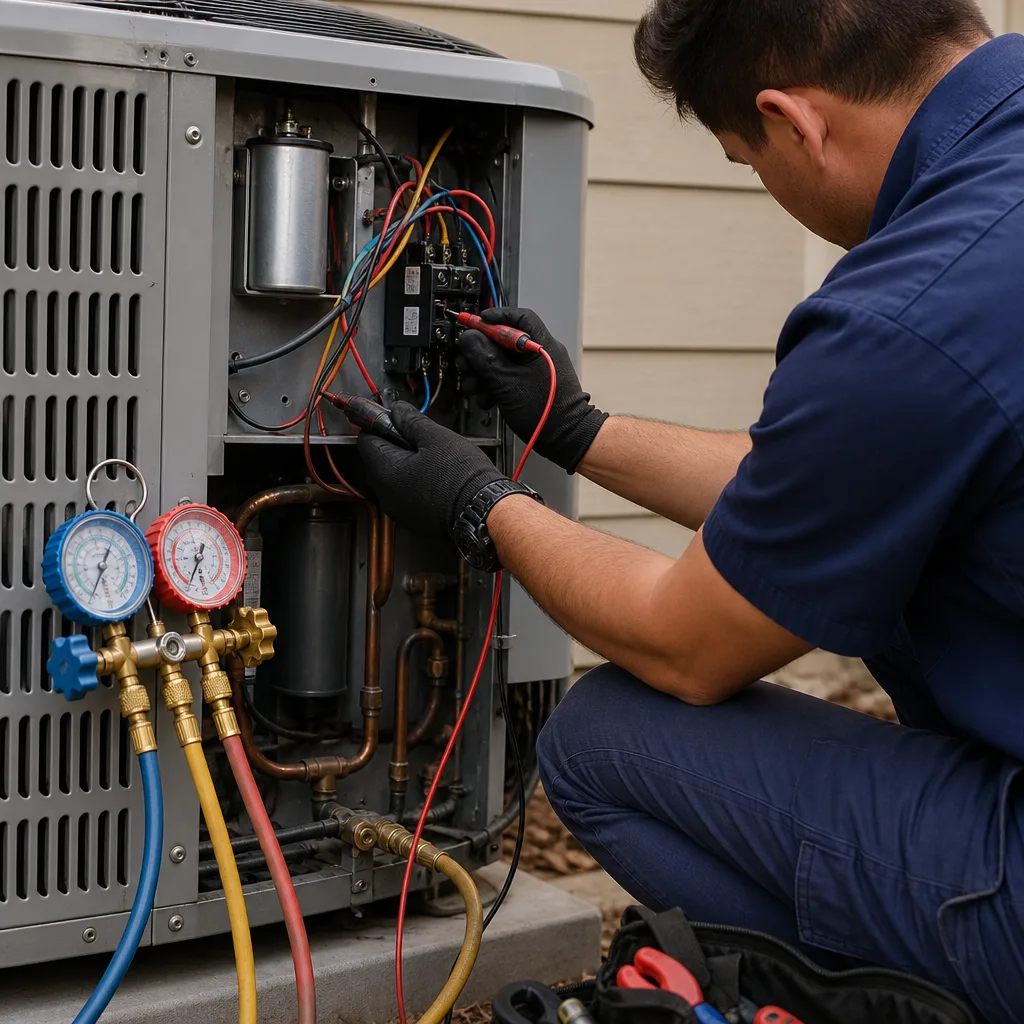 After
After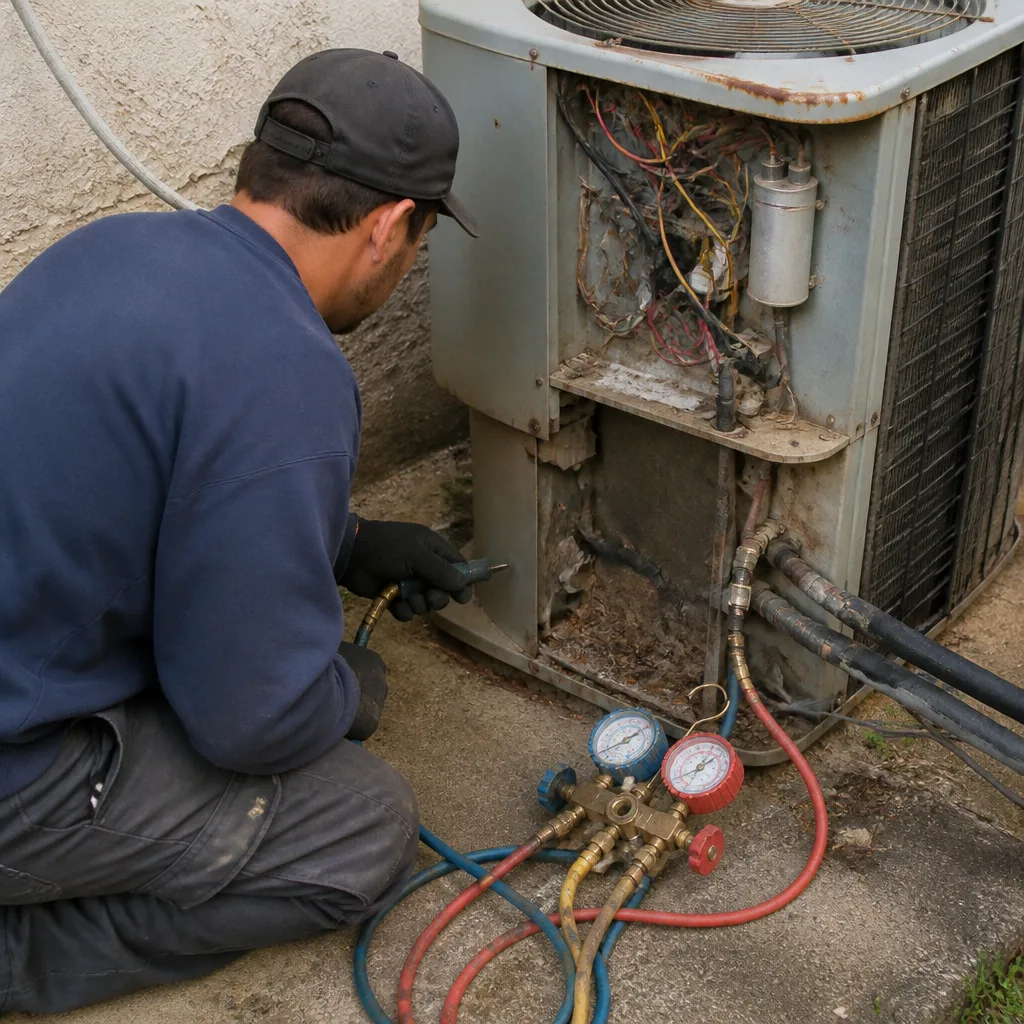 Before
 After
AfterReplacement Cost & What’s Included
In Dallas, a Bryant capacitor replacement runs $180 – $340 installed. The part itself is $15 – $60 depending on the microfarad rating and voltage; the rest is labor, the service call, and knowing which one to put in. Here’s how the numbers break down.
- Capacitor only (part): $15 – $60
- Standard single capacitor swap (most common): $180 – $260
- Dual-run or hard-start capacitor install: $260 – $340
- Capacitor plus contactor (if both are worn): $310 – $450
The range comes down to access, age of the unit, and whether you want a hard-start booster added. A hard-start kit is a second capacitor wired in parallel to give the compressor an extra shove on startup, and it’s a smart upgrade on older Bryant units in our climate. It costs more up front, but it takes strain off the compressor every single start, and that’s the part of the system most likely to fail in Dallas.
Every capacitor we install carries our written 365-day guarantee. If the part fails within a year, we come back and replace it at no charge. That’s the 365-Day Done Right Promise, and it’s on the invoice in plain language, not in fine print. You also get a written total before we touch anything. No work starts until you’ve seen the number and agreed to it.
DIY or Call Us?
Here’s the honest split. You can check a few things safely from the outside: is the breaker on, is the thermostat set to cool, is the condenser coil caked with cottonwood and dust. You can also visually inspect the capacitor through the access panel if you’ve shut the power off at the disconnect and the breaker. A swollen top or leaking oil tells you the story without touching anything.
What you should not do is replace a capacitor yourself. Even after you pull the disconnect, the capacitor can hold a charge of several hundred volts. Discharging one without knowing what you’re doing is how people get hurt, and we’ve seen DIY replacements go wrong because the homeowner matched the wrong microfarad rating or wired the common and fan leads backwards. A miswired capacitor can destroy the compressor, and that’s a $2,000 mistake you don’t want to make.
We’d rather you call us at (325) 312-3269. We’ll have a technician out, the cap gets matched to your Bryant unit’s spec plate, installed and tested, and you’ve got a written guarantee. In the time it takes to watch one YouTube video, we’ll have your house cooling again.
FAQs
A Bryant capacitor typically lasts 5 to 10 years in Dallas conditions, though we’ve replaced caps on three-year-old units that sat through consecutive brutal summers. Heat is the killer. Units in full afternoon sun with poor airflow through the condenser will burn through capacitors faster than units in shaded spots. If yours made it past eight years, you got your money’s worth. Call us at (325) 312-3269 and we’ll check the whole electrical side while we’re in there.
No. A capacitor cannot be repaired, only replaced. Once the internal dielectric breaks down, the part is scrap. The good news is that a replacement is one of the cheapest fixes in HVAC, and we carry the common Bryant ratings on the truck. If you’re anywhere in the Dallas metroplex, we can usually have it swapped the same day you call.
With the right part on the truck, a capacitor replacement takes 30 to 45 minutes from the time we open the panel to the time the system is running. The actual swap is ten minutes. The rest is discharging the old capacitor safely, verifying the new part matches the spec plate, testing the fan and compressor under load, and checking the contactor while we’re in there. Plan on an hour of your time from arrival to cool air.
Yes. Our trucks carry the most common dual-run capacitor ratings for Bryant residential units: 35/5, 40/5, 45/5, and 50/5 microfarads at both 370 and 440 volts. We also stock hard-start kits and compatible contactors for Bryant condensers. If your unit needs something unusual, we can get it from our Dallas parts suppliers the same day in most cases. Call (325) 312-3269 and we’ll confirm what your unit takes before we roll.
Written by Devin Marlowe, Owner, Brandt HVAC Co Dallas at Brandt HVAC Co Dallas, serving Dallas and nearby areas. Devin learned the trade at Los Angeles Trade-Technical College and has spent the years since turning that classroom knowledge into field experience. Today he and his crew run Bryant service calls from Oak Cliff to the north suburbs, and the rule on every job is the same: written price first, plain explanation, and nobody leaves until the system runs right. Tell us what’s broken, we’ll tell you what it costs, and we’ll get your house back to comfortable.