
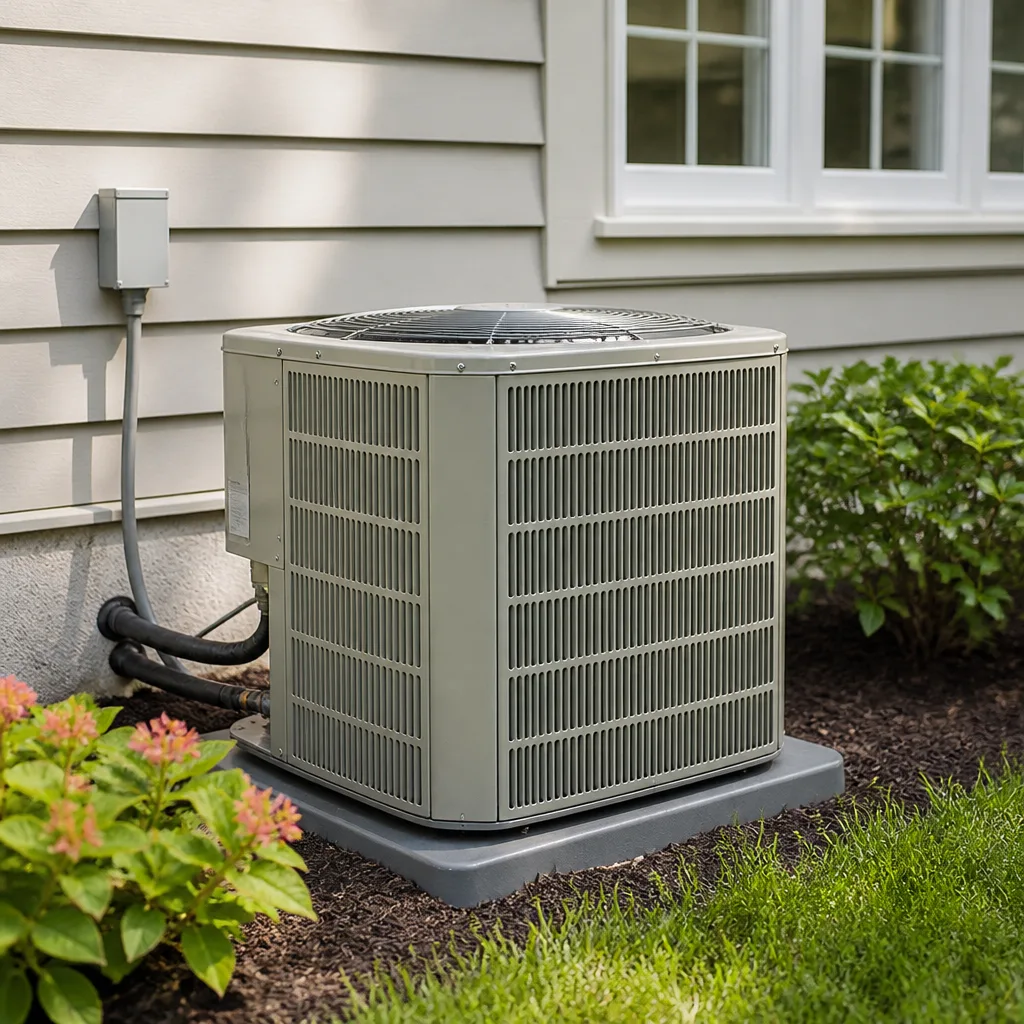
 AC repair
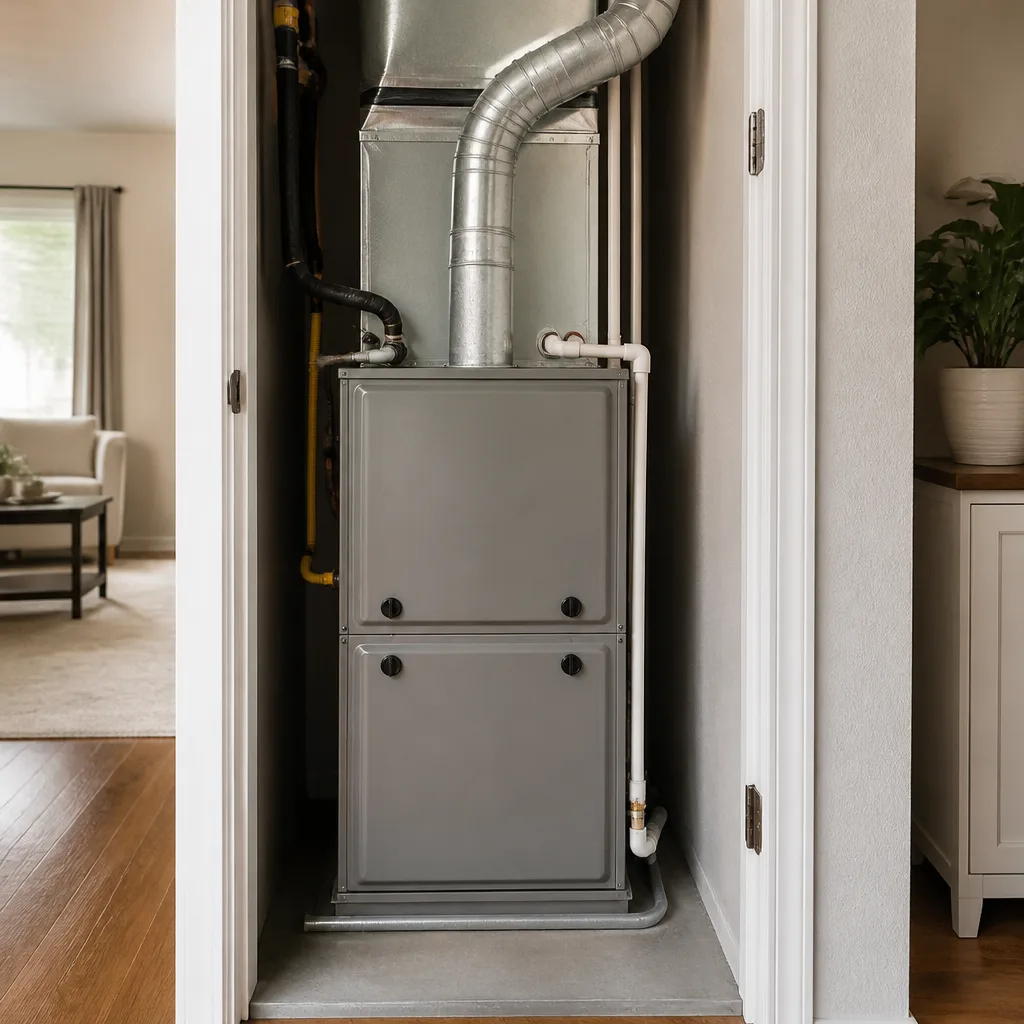 Furnace & heating
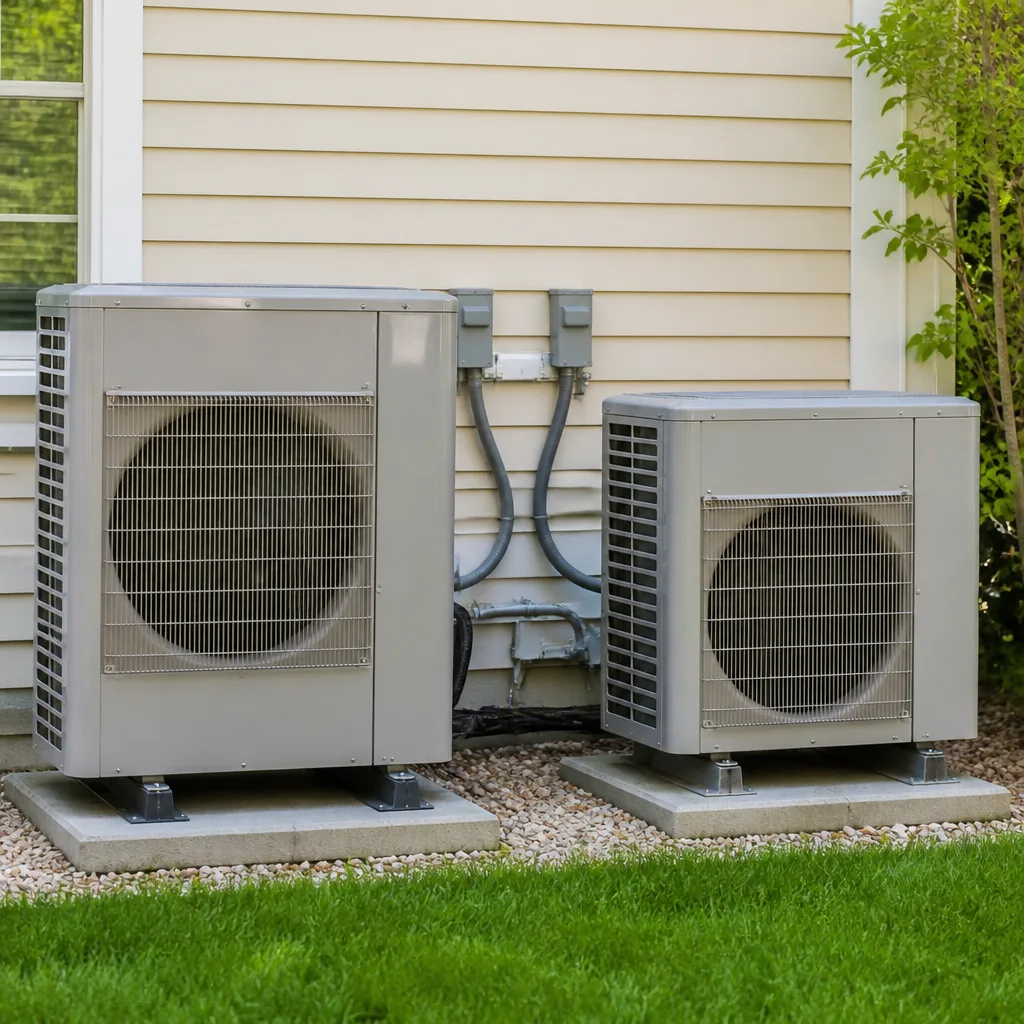 Heat pumps
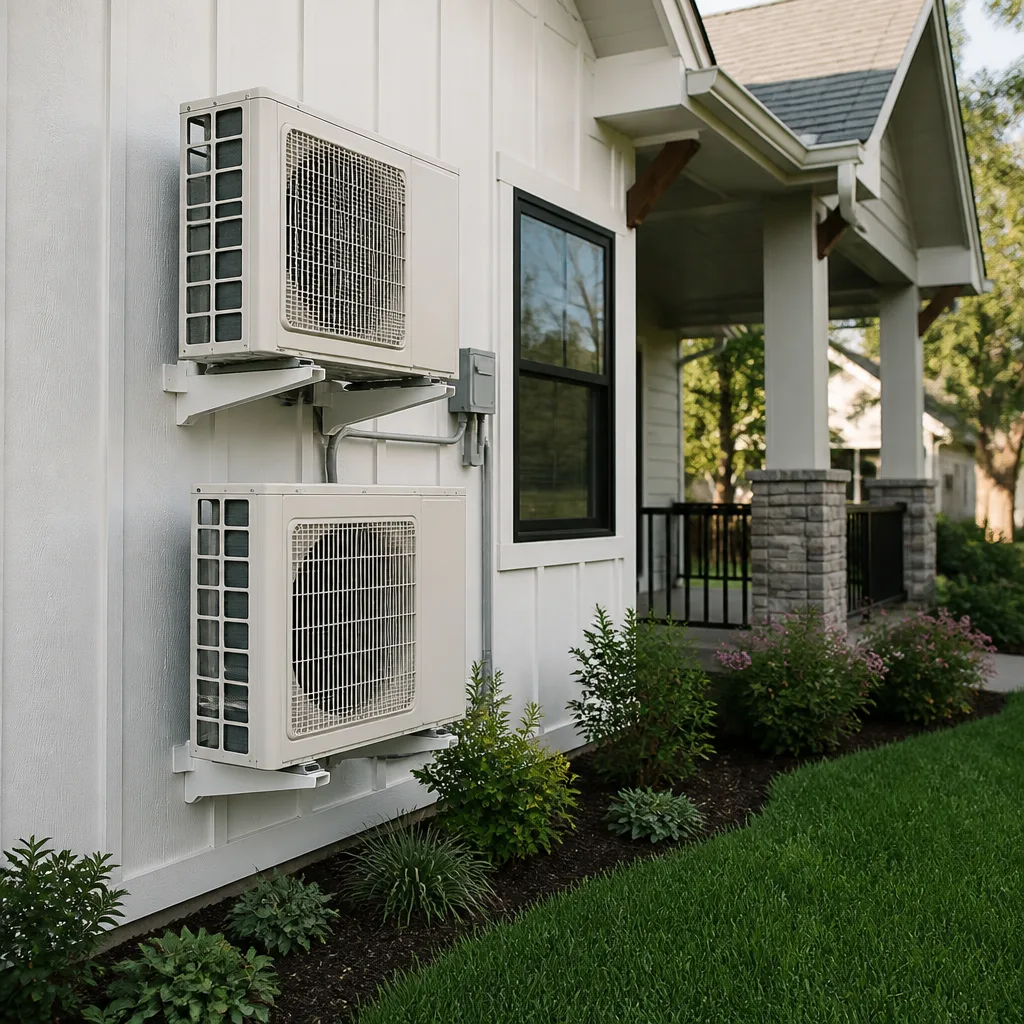 Ductless mini splits
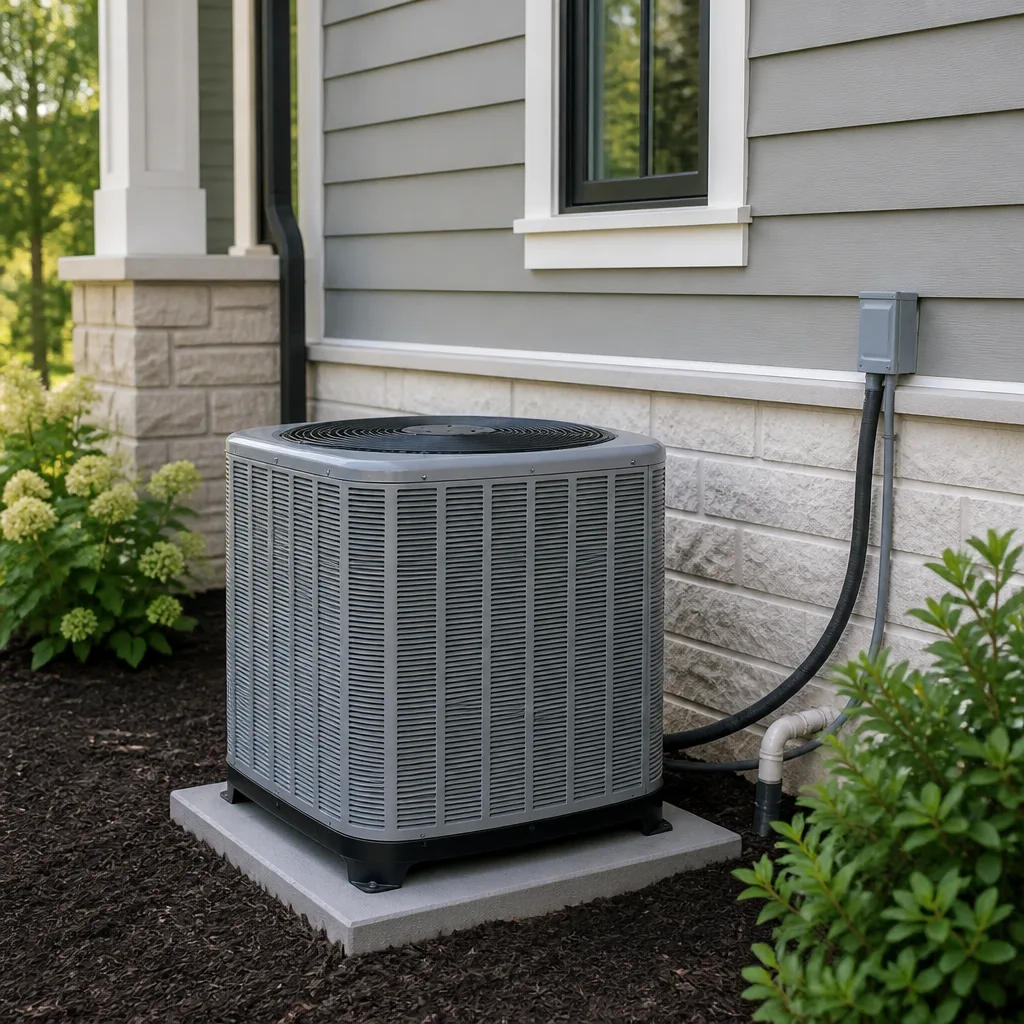 Carrier
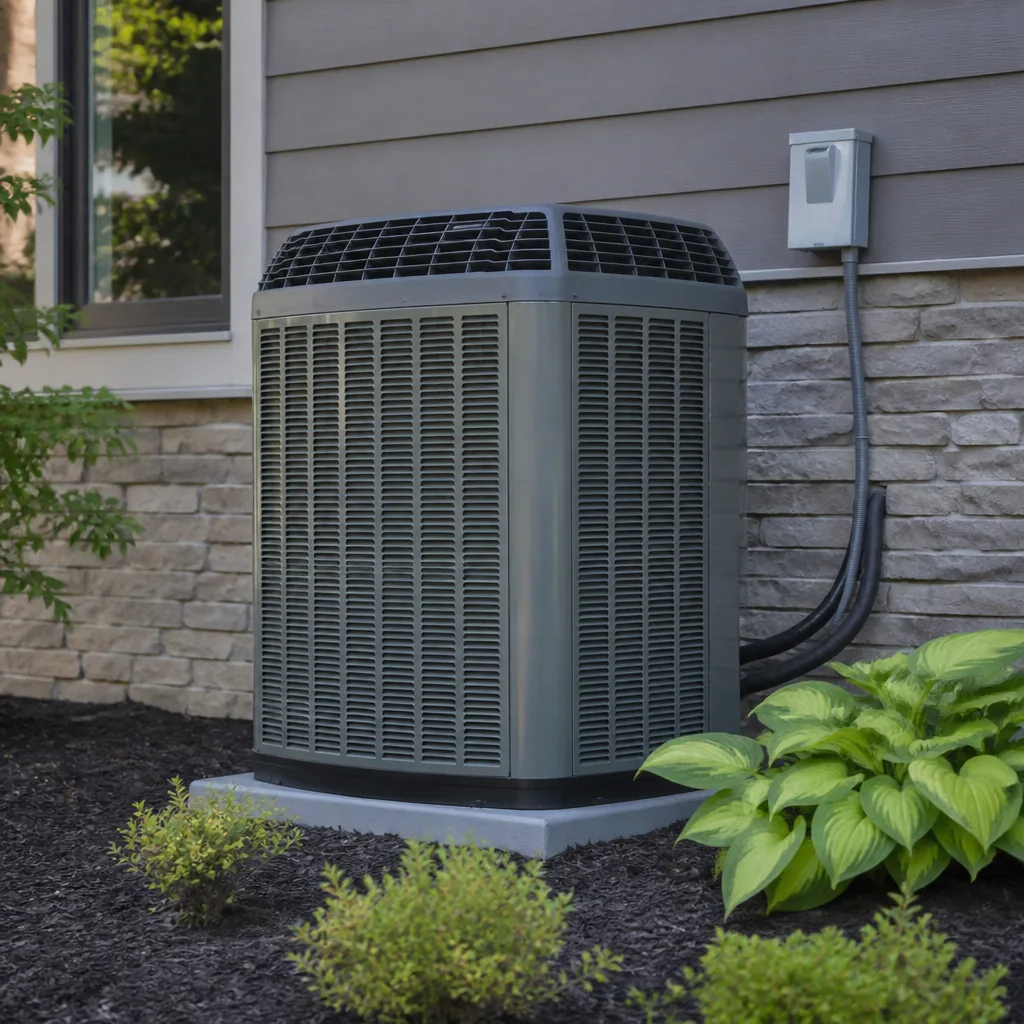 Trane
Trane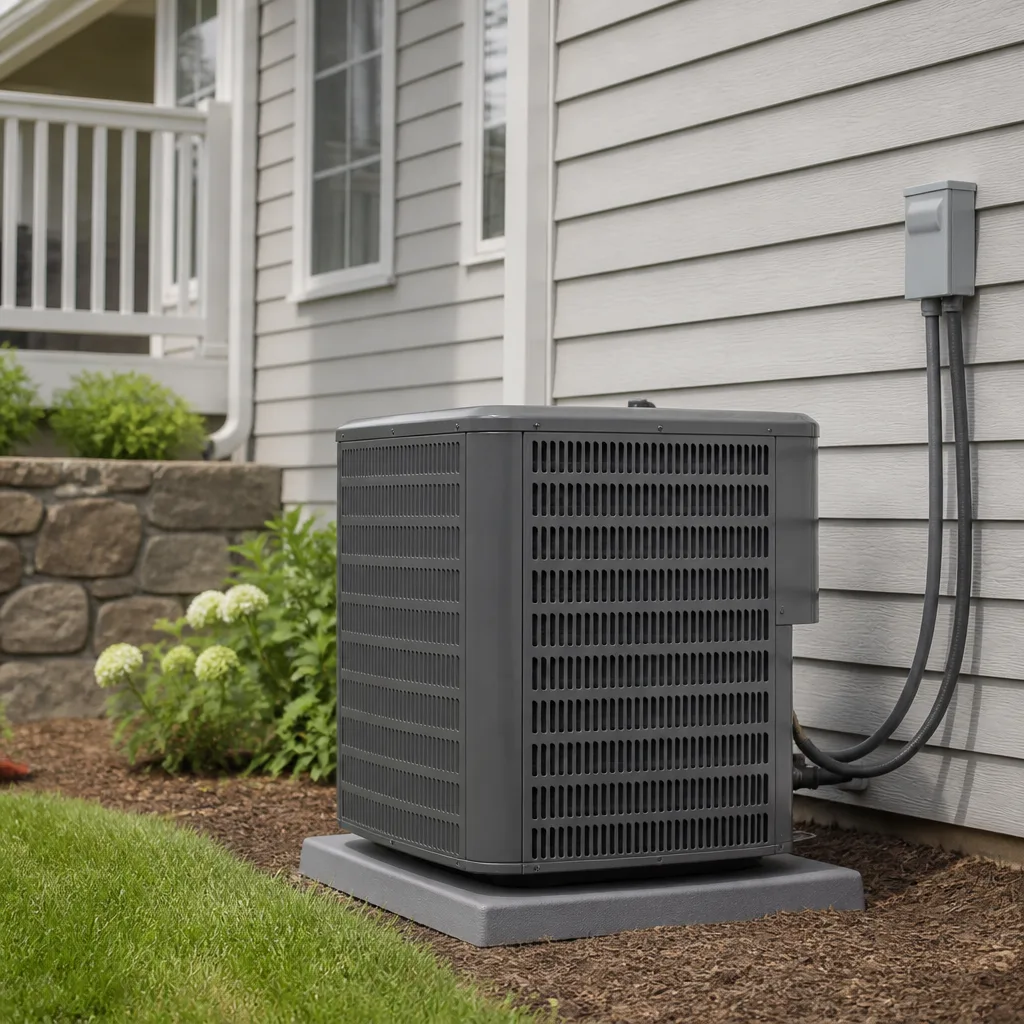 Goodman
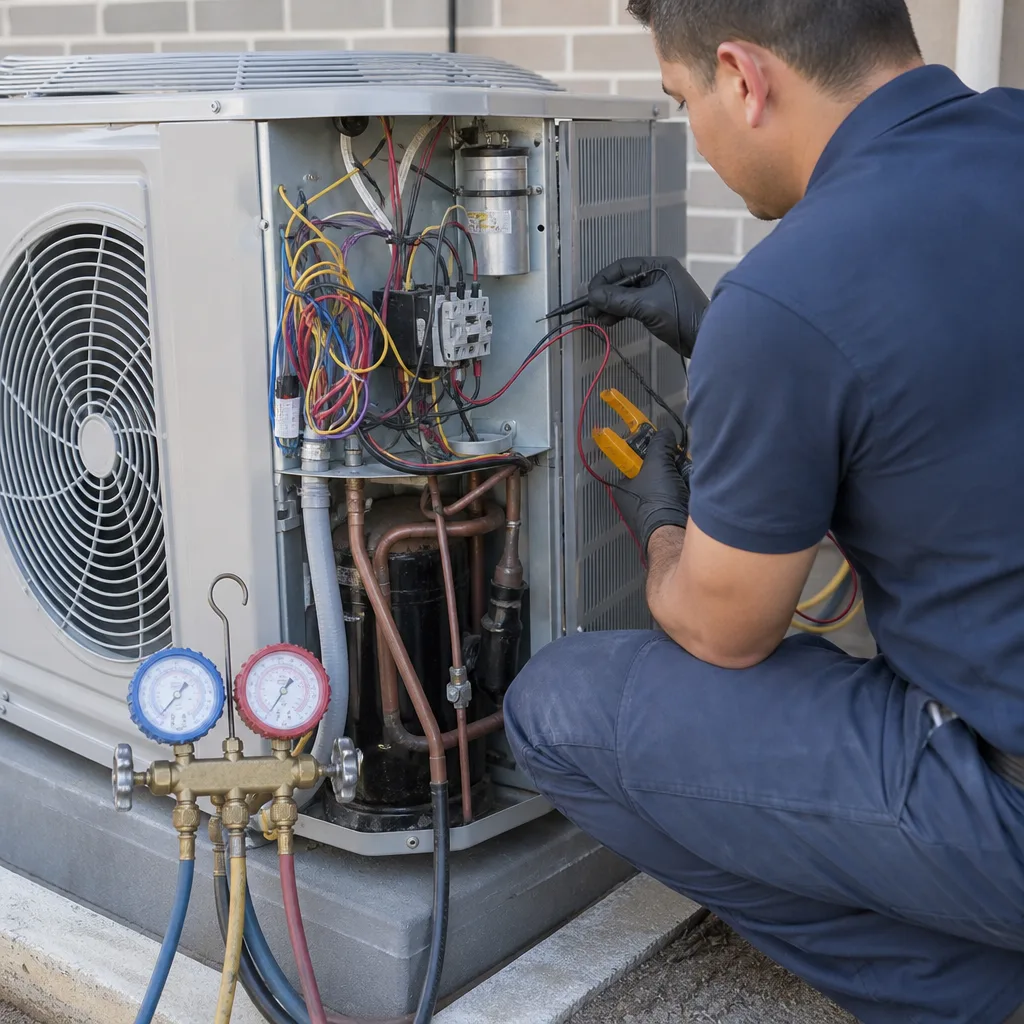
Seasonal tune-up and full diagnostic on your Carrier, Trane, or Goodman system - readings shown to you before any repair is proposed
Diagnosis first, numbers second - you approve the repair price before a single part goes in.
Get your free estimateDaikin Ductwork Repair: The Dallas Owner’s Guide
Daikin ductwork repair in Dallas typically runs between $300 and $1,400, depending on how much duct has failed and whether we’re sealing joints, replacing a section, or reworking the plenum. Most repairs are done in a single visit, and we carry common Daikin-compatible duct materials on the truck so we’re not sending you back to the supply house twice. You usually discover the problem the same way every Dallas homeowner does: one room that never cools right, a dusty smell when the system kicks on, or an electric bill that climbed and never came back down.
Here’s the thing about ductwork: it’s the part of your Daikin system nobody sees until something’s wrong. You replace a $9,000 heat pump and still get a hot bedroom because the duct run feeding that room has a 6-inch tear in the flex. Duct failures don’t announce themselves loudly. They leak money slowly, season after season. By the time you feel it, you’ve probably been losing conditioned air for months.
As independent service providers, we’re not affiliated with Daikin Industries or Daikin Comfort Technologies. We just know their equipment well, stock the materials their duct systems need, and fix what’s broken with a written price before any work starts.
Which Daikin Models This Applies To
This guide covers ductwork connected to any Daikin residential split system, heat pump, or packaged unit: the Daikin Fit (DZ17VSA), Daikin VRV Life, DM96VC and DM97MC gas furnaces, DZ16TC and DZ18TC heat pumps, and the DZ14SA single-stage line. The ductwork itself isn’t manufactured by Daikin. It’s installed by whoever put your system in, using local materials. What matters for repair is matching your existing duct type, size, and insulation level, then sealing it to the Daikin air handler or furnace cabinet correctly.
Most Dallas homes built in the last 40 years use flexible duct rated R-6 or R-8. Older homes may have rigid sheet metal, fiberglass duct board, or a mix. You can identify what you have by looking in the attic: flex ducts are round, insulated tubes with a plastic vapor barrier on the outside. Rigid ducts are rectangular metal trunks with round takeoffs. The label on a flex duct will show its R-value and diameter, like “R-8, 8-inch.” That number matters. An 8-inch flex duct moves about half the air of a 10-inch, and installing the wrong size is exactly the kind of shortcut that causes rooms that never cool right.
On the OEM-vs-aftermarket question for Daikin specifically: Daikin doesn’t sell branded ductwork, so “OEM” here means the manufacturer of whatever duct was originally installed. Flex duct brands like Hart & Cooley, Atco, and Champion are standard field materials. We use UL-listed flex, heavy-gauge metal for trunks and plenums, and mastic-sealed joints, which is what the Daikin installation manuals call for anyway. The knockoff trap to avoid: cheap foil-tape-only seals, uninsulated flex in an attic that hits 140°F in July, and flex runs stretched tight instead of properly supported. Those installs fail early. We’ve pulled runs in Garland that were so tight the inner liner had separated, blowing conditioned air into the insulation jacket instead of the room.
Styles & brands we work with
Signs Your Daikin Ductwork Repair Is Failing
- One room is always hotter or colder than the rest. This is the classic Dallas duct problem. A partially crushed or disconnected run means that room gets maybe 40% of the airflow it should. Your Daikin unit is working fine; the duct feeding that room isn’t.
- Dust accumulating unusually fast, or a musty smell when the blower starts. A return duct pulling attic air instead of room air drags in dust, insulation fibers, and humidity. That smell is often a return leak pulling hot, stale attic air straight into the system.
- Electric bills up 15-25% with no other change. Leaking ductwork means your Daikin is conditioning air you never feel. The unit runs longer cycles to reach the thermostat setpoint. In a Dallas summer, a 20% duct leak is hundreds of dollars a year in wasted energy.
- Whistling, rattling, or a flapping sound when the blower runs. Whistling means air is forcing through a gap it shouldn’t. Flapping is usually the inner liner of flex duct coming loose inside the insulation jacket. Rattling can be a damper that’s come unseated inside the duct.
- Attic feels cold or smells damp near the ducts. If the attic is 140°F but one corner feels like a walk-in cooler, that’s your conditioned air bleeding out through a separation or tear. The damp smell in summer is condensation forming on improperly insulated duct surfaces.
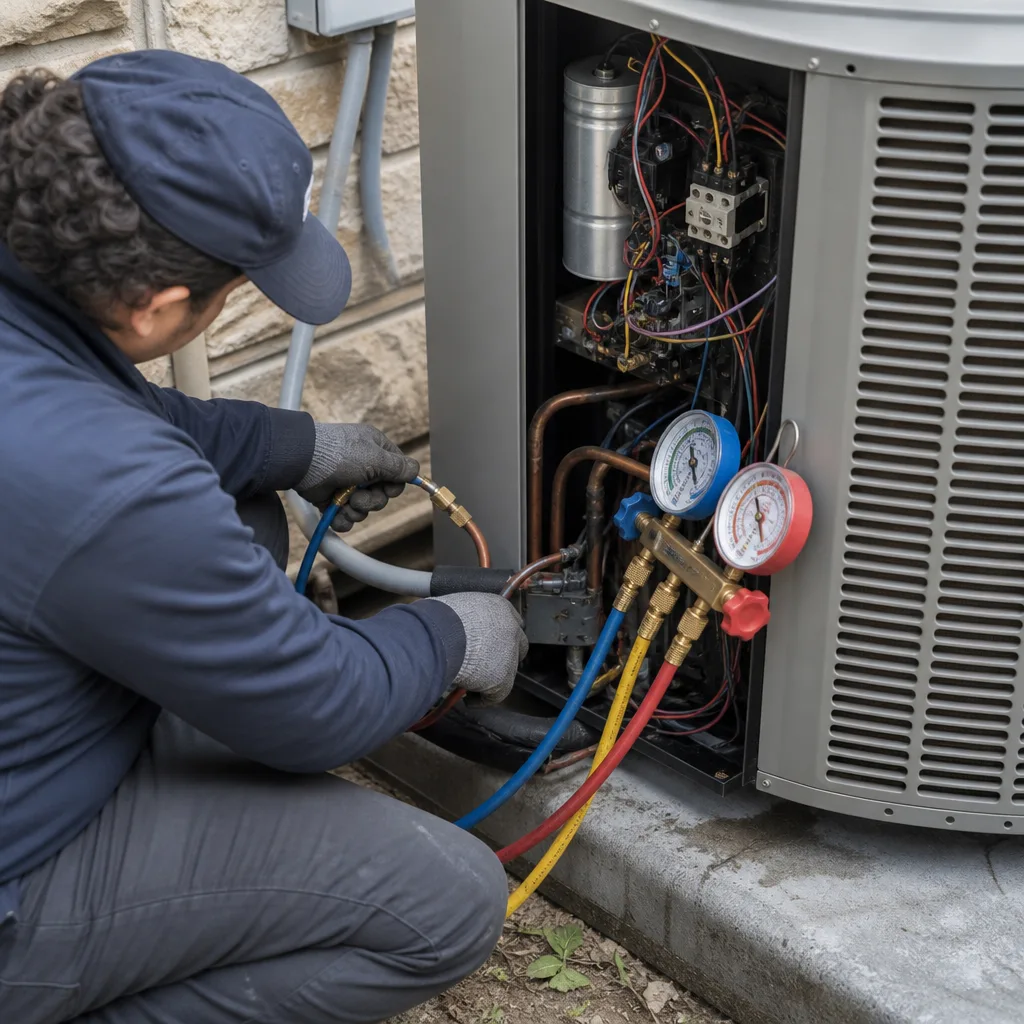
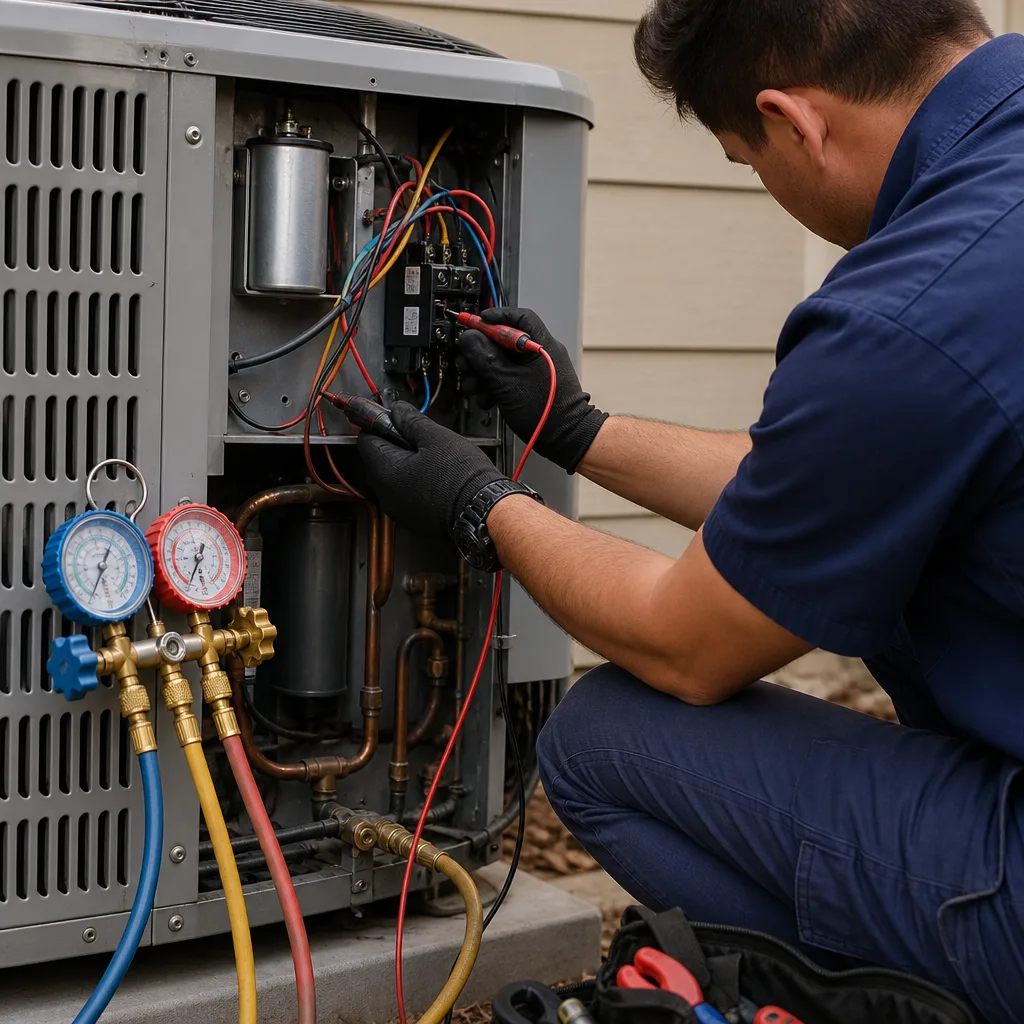
See the difference
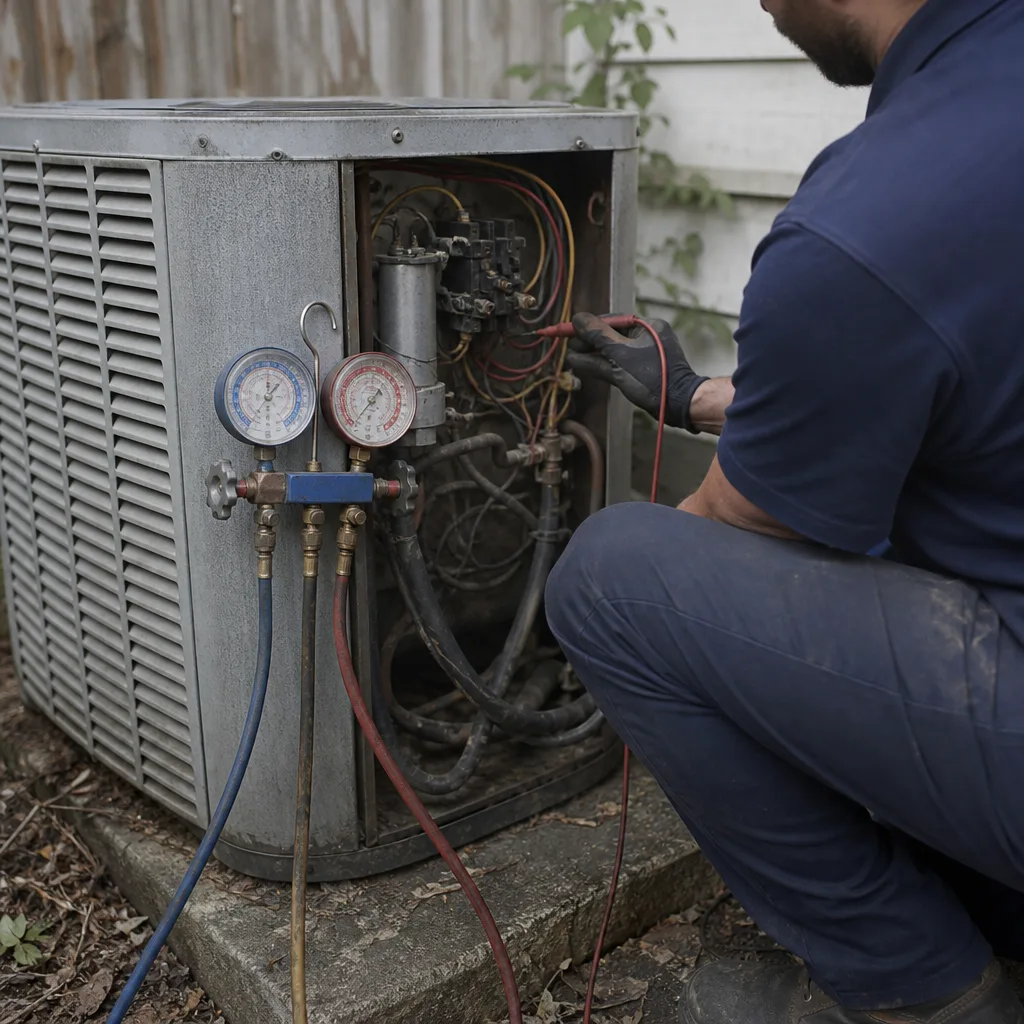 Before
 After
After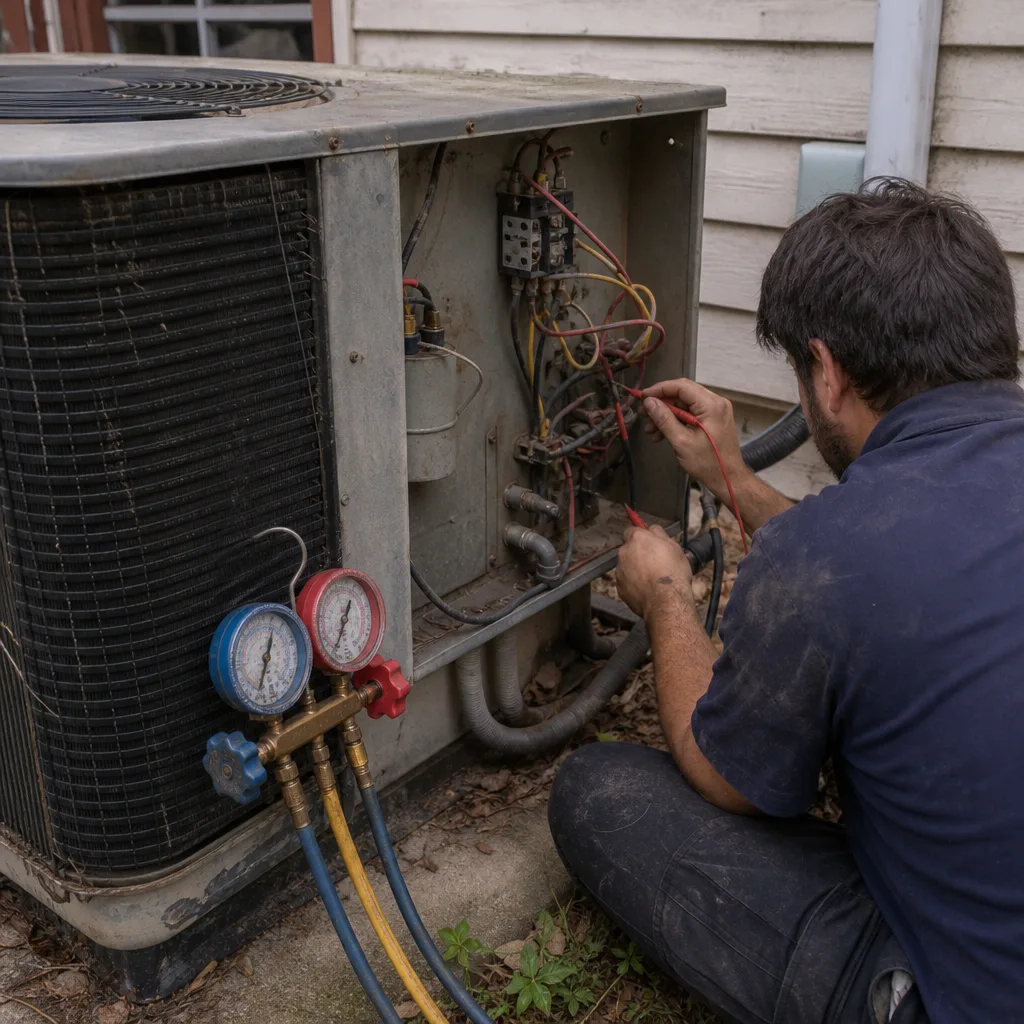 Before
 After
After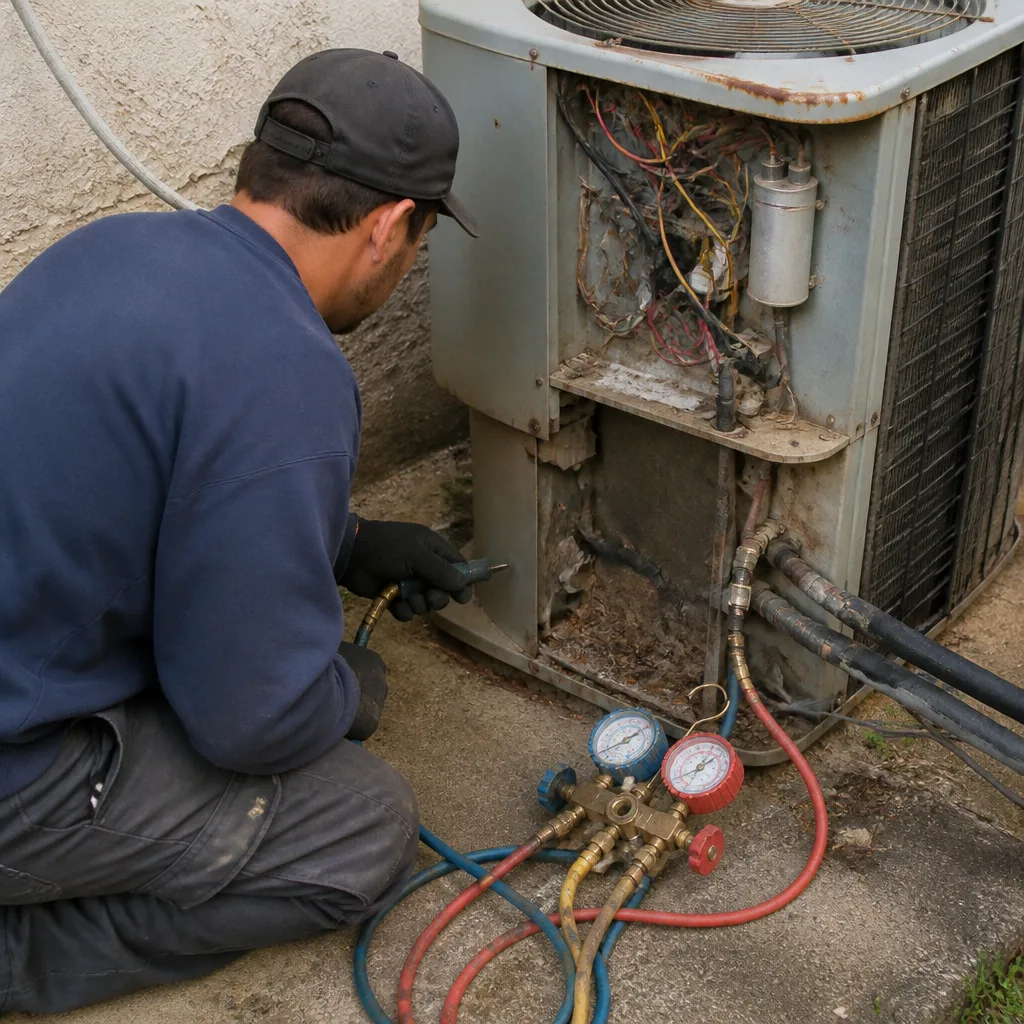 Before
 After
AfterReplacement Cost & What’s Included
Most Daikin ductwork repairs in Dallas land in these ranges:
| Repair Type | Typical Cost Range |
|---|---|
| Seal joints & minor leaks (mastic, tape, test) | $250 – $450 |
| Replace 10-15 ft of flex duct (one run) | $350 – $650 |
| Replace or rework a plenum/trunk connection | $500 – $900 |
| Multiple runs or returns replaced | $800 – $1,400 |
What drives the price: how much duct is bad, whether it’s accessible in the attic or buried, the duct diameter, and whether we’re sealing existing runs or pulling new ones. Every quote includes the parts, the labor, the mastic sealing, hangers and supports, and cleanup. We write the price down before we start. You sign it, we do the work, that’s the price. No “found more damage” conversations that double the bill without warning.
Every ductwork repair carries our 365-Day Done Right Promise in writing. If a seal we made fails or a run we replaced separates within a year, we come back and fix it at no charge. No argument, no service fee, no prorated nonsense. That’s what the guarantee covers, in plain language.
Devin Marlowe has been fixing ductwork in Dallas attics long enough to know which install shortcuts fail first and where the leaks usually hide. His rule on the job is simple: “Tell me what’s broken, I’ll tell you what it costs, and we’ll get your house back to comfortable.”
DIY or Call Us?
There’s a handful of things you can safely check: visible tears in flex duct you can reach from the attic walkway, a register that’s fallen out of the ceiling, a collapsed flex run you can see without crawling off the plywood path. You can also replace a dirty filter and confirm the thermostat is set correctly, which rules out simpler problems. What you shouldn’t do is climb into an attic in a Dallas summer without a plan. Attics hit 130 – 150°F here between June and September. Heat exhaustion sets in fast.
The real risk with DIY duct work isn’t just comfort, it’s making it worse. A miscalculated static pressure change, a kinked run, or a badly seated connection can choke airflow to the whole system, shorten your Daikin compressor’s life, and void its warranty if the manufacturer traces the failure back to an improper install. Duct design isn’t guesswork. If you’ve got a tear you can see and reach, tape it with UL-listed foil mastic tape as a temporary measure. Then call us at (325) 312-3269 and we’ll inspect the full run. Estimates are free, and you’ll know exactly what it costs before anything starts.
FAQs
Flex duct typically lasts 10 – 20 years in Dallas, with 15 being realistic for most installs. The heat is the killer: 140°F attics accelerate the plastic vapor barrier’s breakdown, and once that outer jacket tears, the insulation wets, sags, and stops working. Rigid metal lasts 30+ years but still needs joint sealing over time. If your flex duct predates Hurricane Ike, have it inspected. Call (325) 312-3269 for an honest look at what you’ve got.
Yes, and we do repairs first whenever it makes sense. Small tears, separated joints, loose takeoffs, and compression points can all be repaired with proper sealing and re-support. Replacement only makes sense when the duct is too degraded, undersized, or poorly routed to justify patch jobs. We’ll tell you which one you need, with a written quote for both options if we’re on the fence.
Most ductwork repairs take 2 – 4 hours. Replacing a full flex run or reworking a plenum can take half a day. Multiple runs replaced or a trunk rebuild may take 6 – 8 hours across a full day. We’ll tell you the expected time and the exact price before we start.
We stock common sizes of R-6 and R-8 flex duct, metal trunks and plenums, mastic, UL-listed tape, hangers, and takeoff collars. On a typical repair day, we’re prepared to handle 90% of what we find without leaving for parts. If we need a specialty piece, we’ll tell you during the estimate and schedule the repair so it’s done in one return visit.
We stock parts and service all major residential HVAC brands, including Carrier, Trane, Lennox, Goodman, Rheem, York, Daikin, Bryant, and American Standard. Our technicians work on every major residential system in the Dallas area.
Ready to get your Daikin system moving air the way it should? Call (325) 312-3269 for a free estimate. A live person answers, day or night. You’ll get a written price, the technician’s name and photo before they arrive, and a one-year guarantee on the work. Every one of our technicians is background-checked, uniformed, and identity-verified under the Threshold Verified standard. If anyone arrives who you weren’t expecting, that visit is on us. We’ll make it right.
Written by Devin Marlowe, Owner, Brandt HVAC Co Dallas at Brandt HVAC Co Dallas, serving Dallas and nearby areas.