
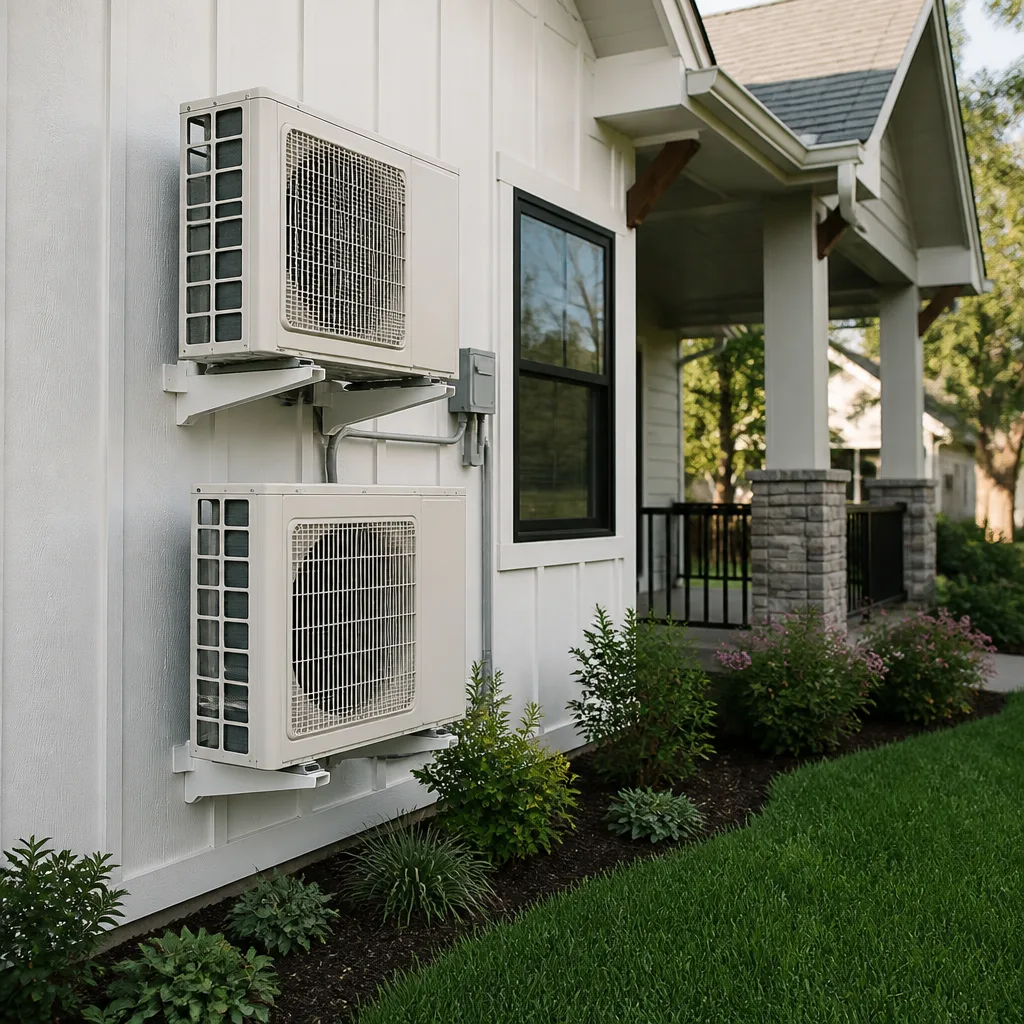
 Ductless mini splits
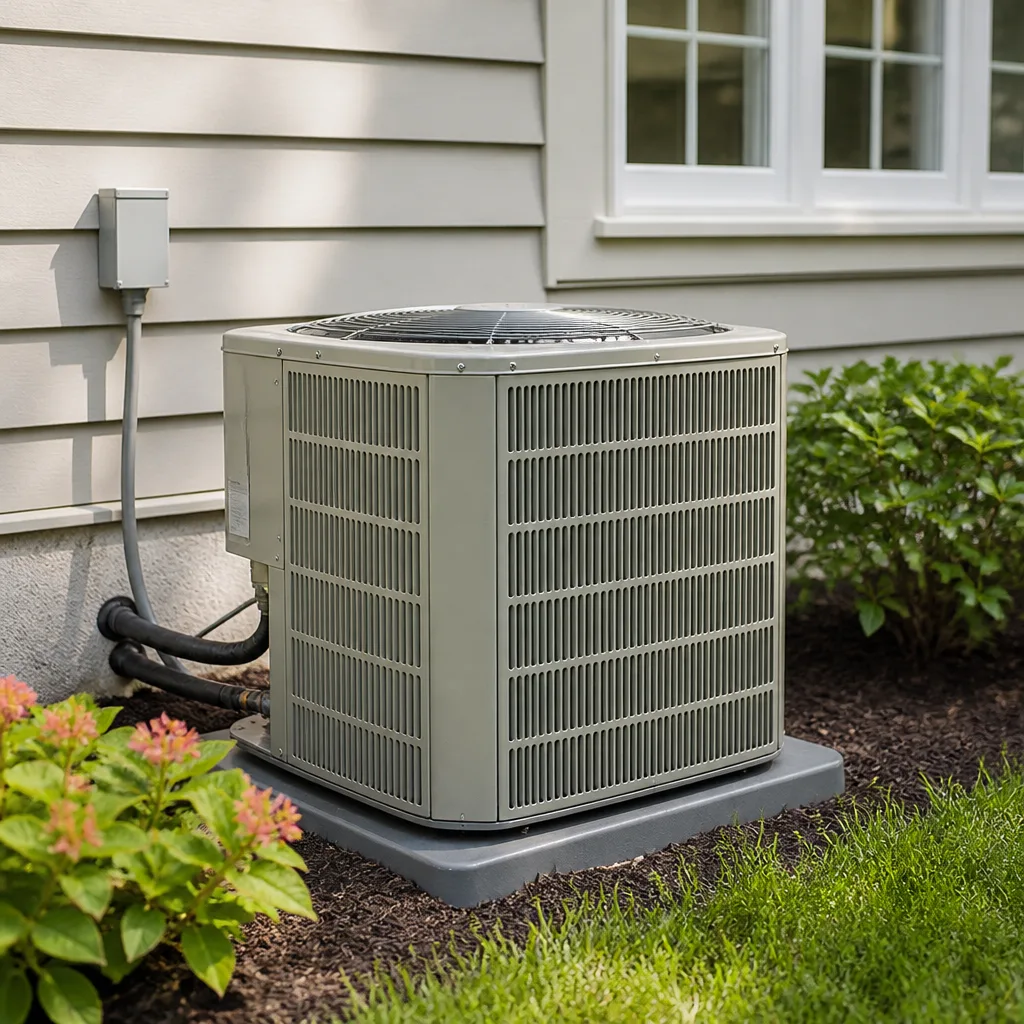 AC repair
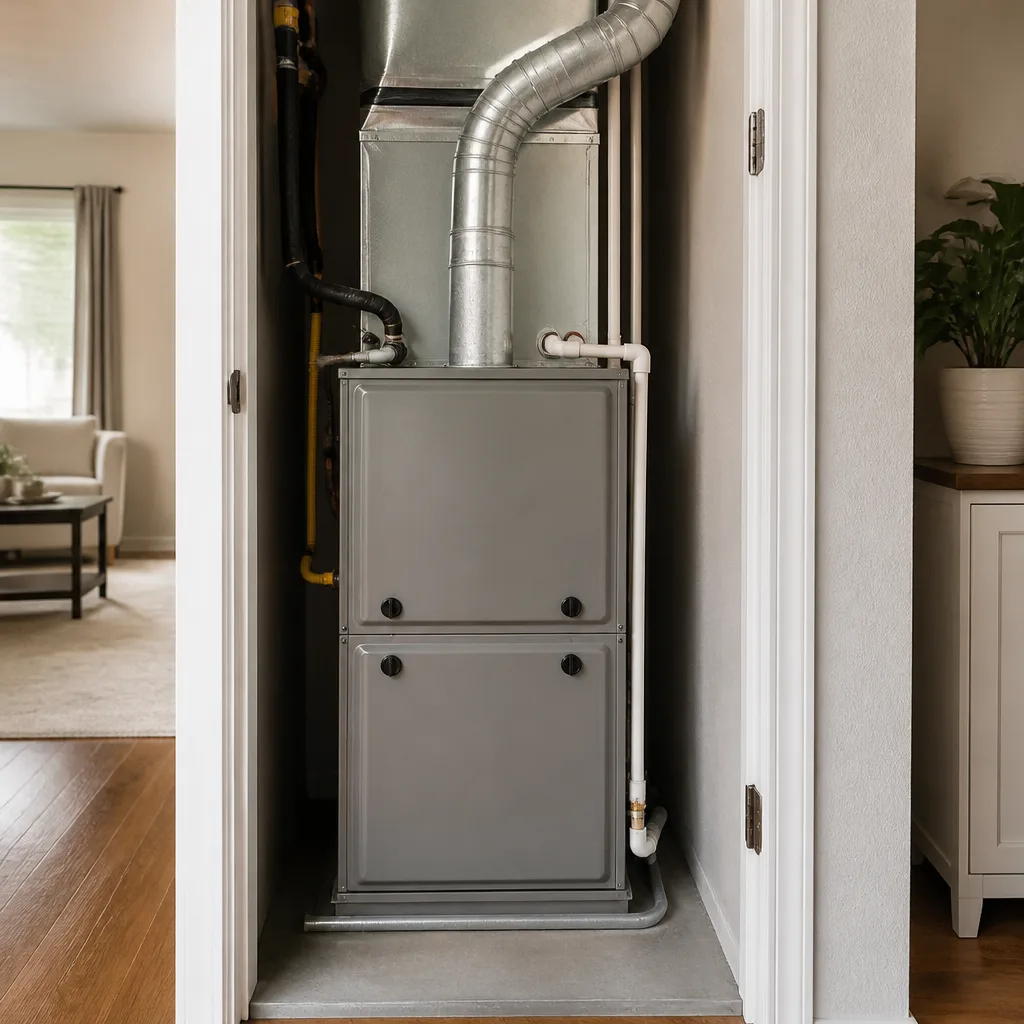 Furnace & heating
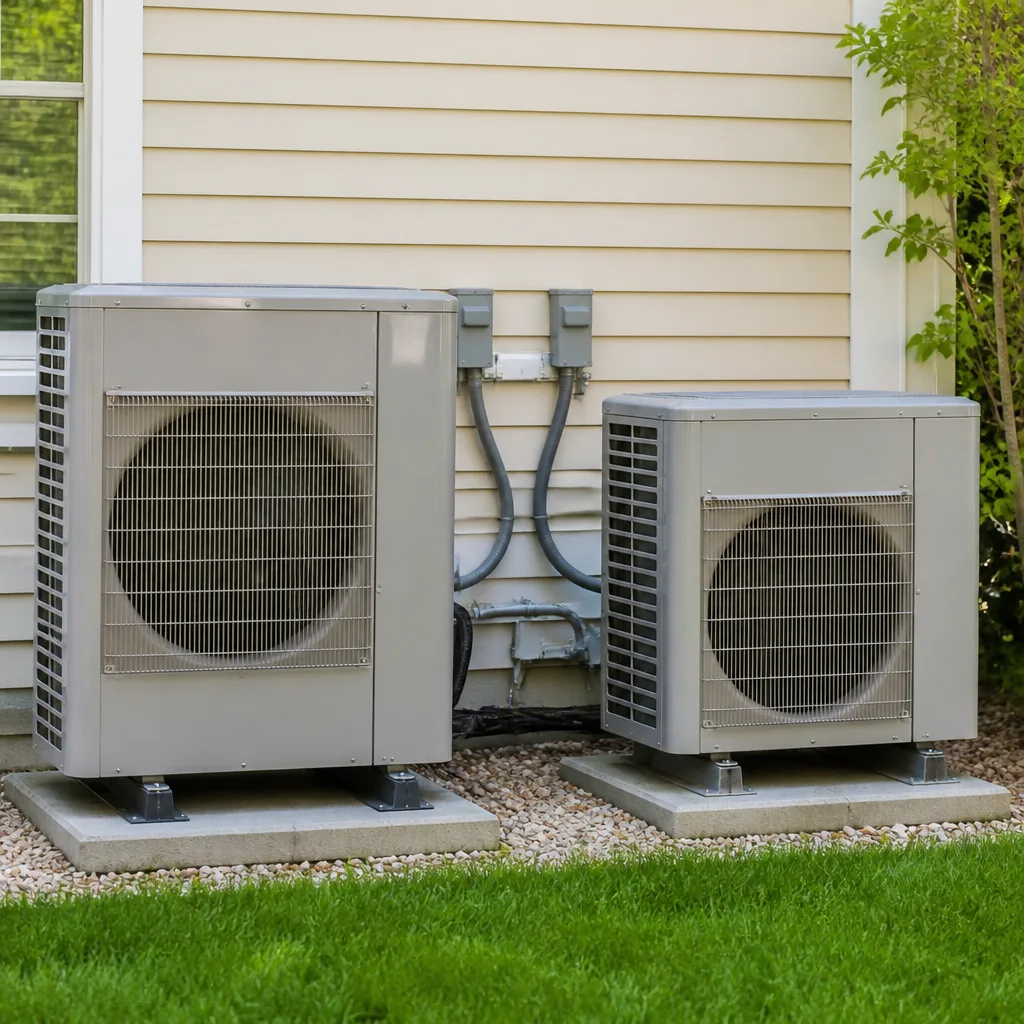 Heat pumps
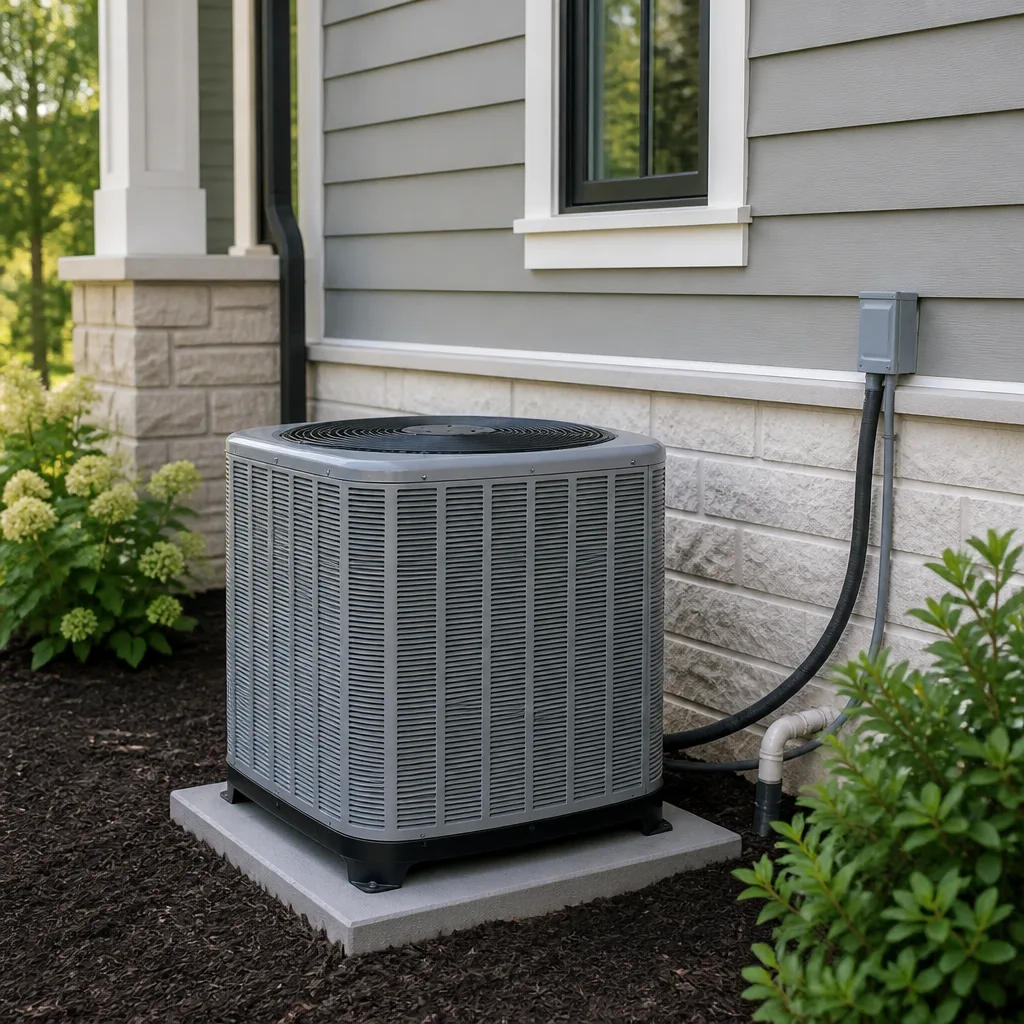 Carrier
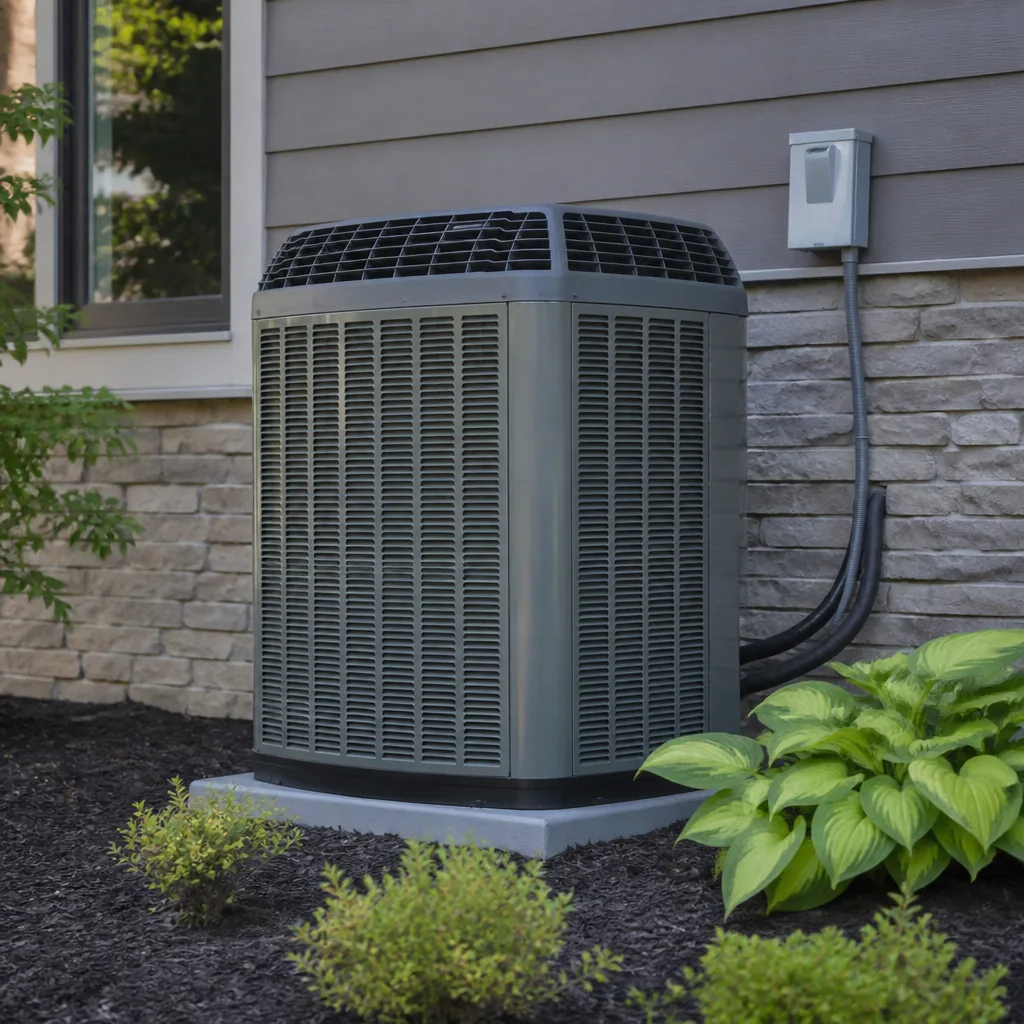 Trane
Trane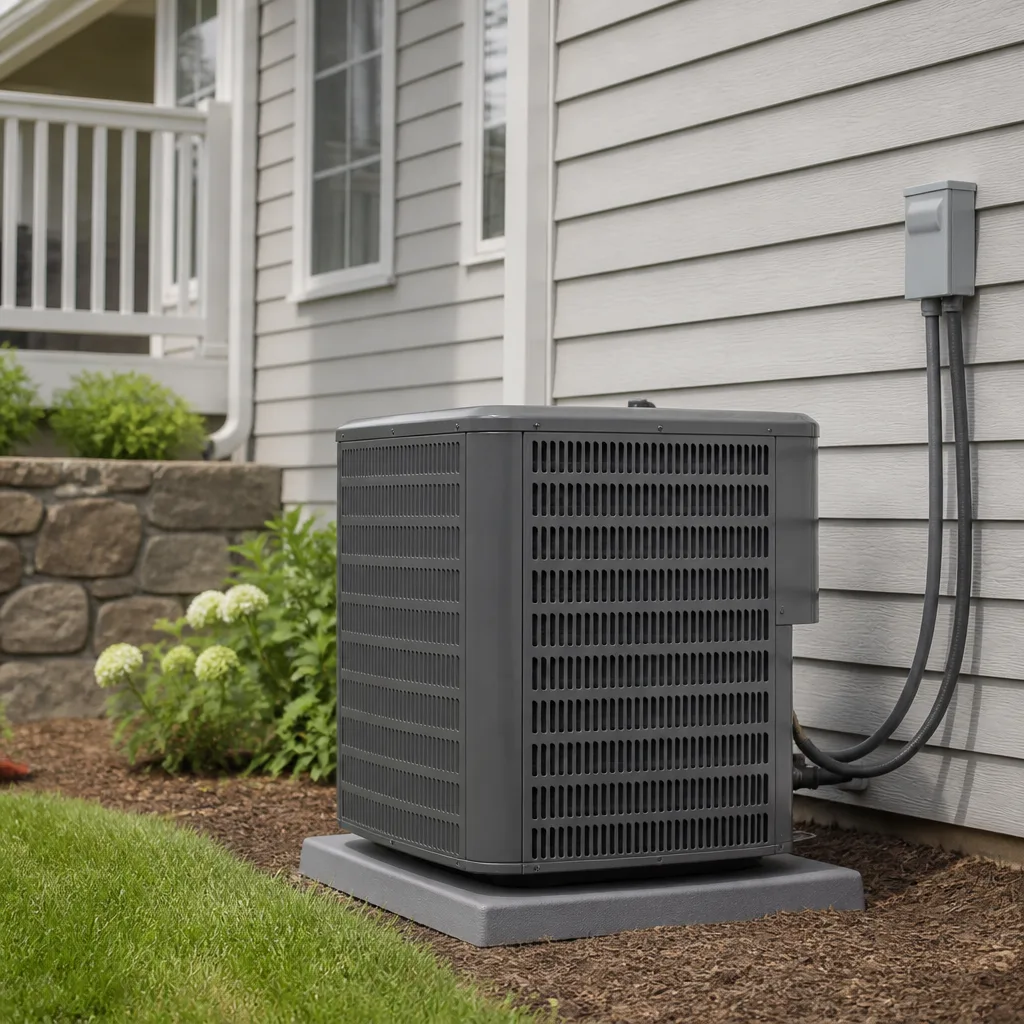 Goodman
Seasonal tune-up and full diagnostic on your Carrier, Trane, or Goodman system - readings shown to you before any repair is proposed
Diagnosis first, numbers second - you approve the repair price before a single part goes in.
Get your free estimateDaikin Mini-Split Installation: The Dallas Owner’s Guide
A Daikin mini-split installation in Dallas typically runs between $2,400 and $5,800 for a single-zone system, depending on the size of your space and the unit’s BTU rating. We stock Daikin-compatible mounting hardware, line sets, and condensate pumps on our trucks, and most single-zone installs are completed in one day. If your existing unit is blowing warm air, icing over, or leaking water onto the floor, the installation itself is often the culprit – not the compressor.
Here’s the part most Dallas homeowners don’t hear from other shops: a mini-split lives or dies by its installation. The Daikin units are well-built. What fails first is usually the line set connection, the flare fitting, or the drainage slope. We see it in older installs all over Dallas – a slow refrigerant leak at a flare nut that was never torqued right, or a condensate line that sags and backs up. The fix is methodical, not mysterious.
Which Daikin Models This Applies To
This installation guidance covers Daikin’s residential mini-split lines, including the Aurora series (RXL and FTX models), the Emura, the Perfera, and the 17 Series. If you have a Daikin VRV system in a larger Dallas home, the installation logic is similar but the line sets and branch controllers differ, so the model number matters more.
The fastest way to identify what you have is to look at the side of the outdoor unit. Daikin prints the model number on a metal data plate. It will start with RX (outdoor unit) or FTX (indoor wall unit), followed by a number and letter combo that tells you the BTU class and series. For example, an RXS18LVJU is an 18,000 BTU Aurora outdoor unit. That matters because Daikin line set sizes are not universal – a 9,000 BTU unit uses a 1/4″ liquid line, but an 18,000 BTU unit often steps up to a 3/8″ liquid line. We measure and match, every time.
As for parts, here’s our honest position on OEM versus aftermarket. For anything that touches refrigerant – flare nuts, line sets, service valves – we use Daikin OEM or exact-spec equivalents. The flare angle on Daikin fittings is a precise 45 degrees, and a generic fitting that’s off by a hair will leak. For mounting brackets, drain lines, and line hide covers, a quality aftermarket part works fine and saves you money. We’ll tell you which is which before we order anything. Brandt HVAC Co Dallas is an independent service provider; we’re not affiliated with Daikin, but we’ve installed and repaired enough of their equipment to know what holds up in Dallas humidity and what doesn’t.
Styles & brands we work with
Signs Your Daikin Mini-Split Installation Is Failing
- Water dripping from the indoor unit onto the floor. This almost always means the condensate drain line is clogged, sagging, or pitched wrong. In Dallas summers, a mini-split can pull a gallon of water out of the air every hour, so a small slope problem becomes a wet floor fast.
- The unit runs but doesn’t cool like it used to. A slow refrigerant leak at a flare connection is the most common cause. The system loses charge gradually, and by the time you notice, the compressor is working harder than it should.
- Ice building up on the indoor coil or the copper line outside. That ice usually means low refrigerant or restricted airflow, both of which trace back to the install – a kinked line set, a flare nut that’s weeping refrigerant, or a filter that was never mentioned to you.
- The outdoor unit sounds like it’s rattling or vibrating louder than it did at first. Over time, the rubber isolation mounts compress and the unit sits directly on the bracket. That vibration travels through the wall and gets louder every year in a Dallas neighborhood with hard clay soil.
- You smell something musty when the unit first kicks on. That’s standing water in the drain pan that never fully empties, which means the drain slope was too shallow from day one. It’s a mold and mildew risk, especially in a Dallas summer.
See the difference
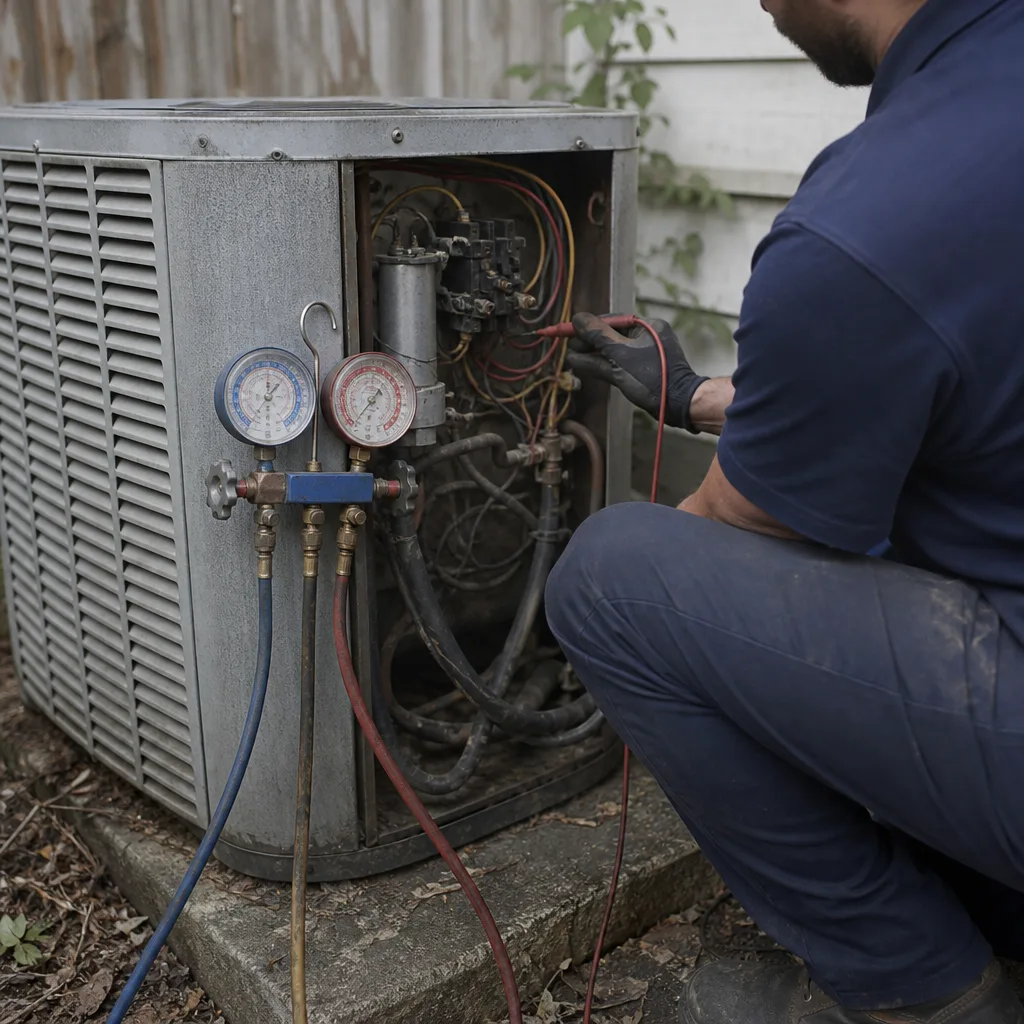 Before
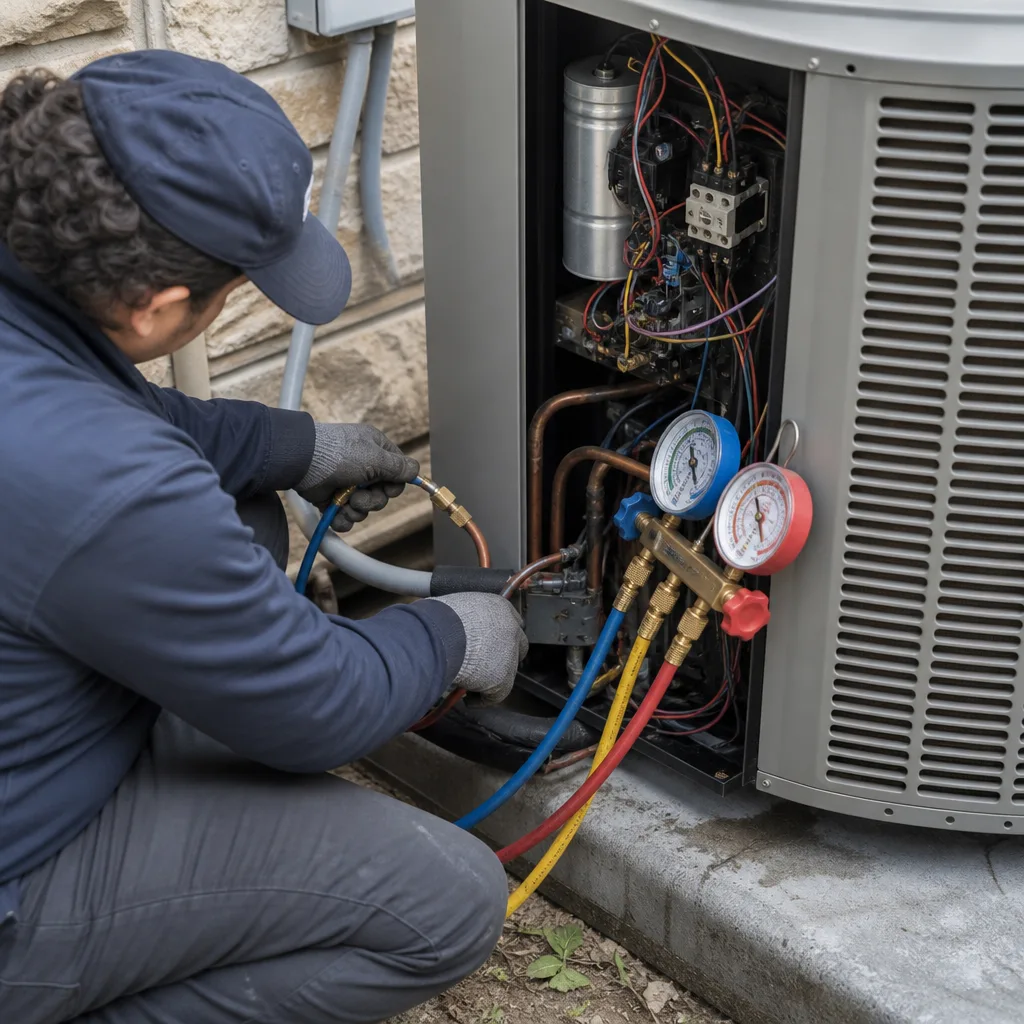 After
After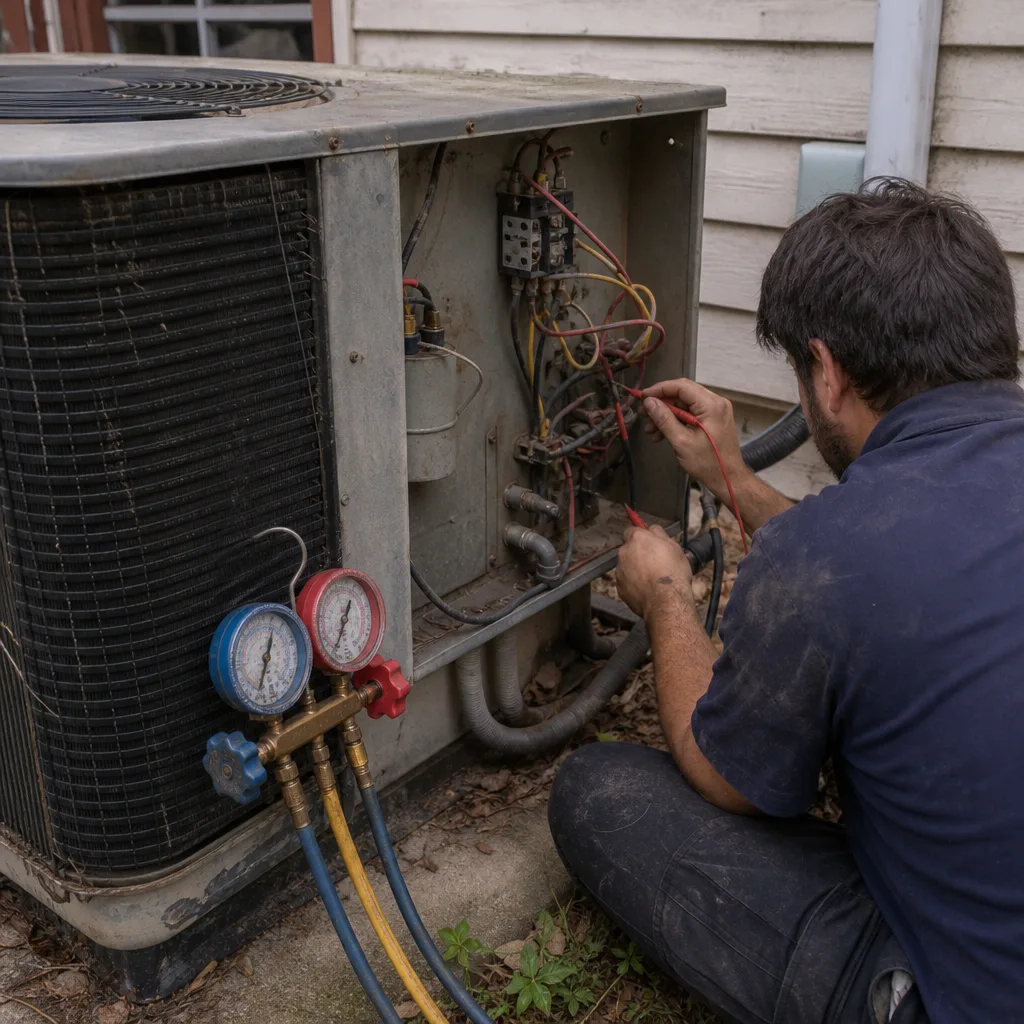 Before
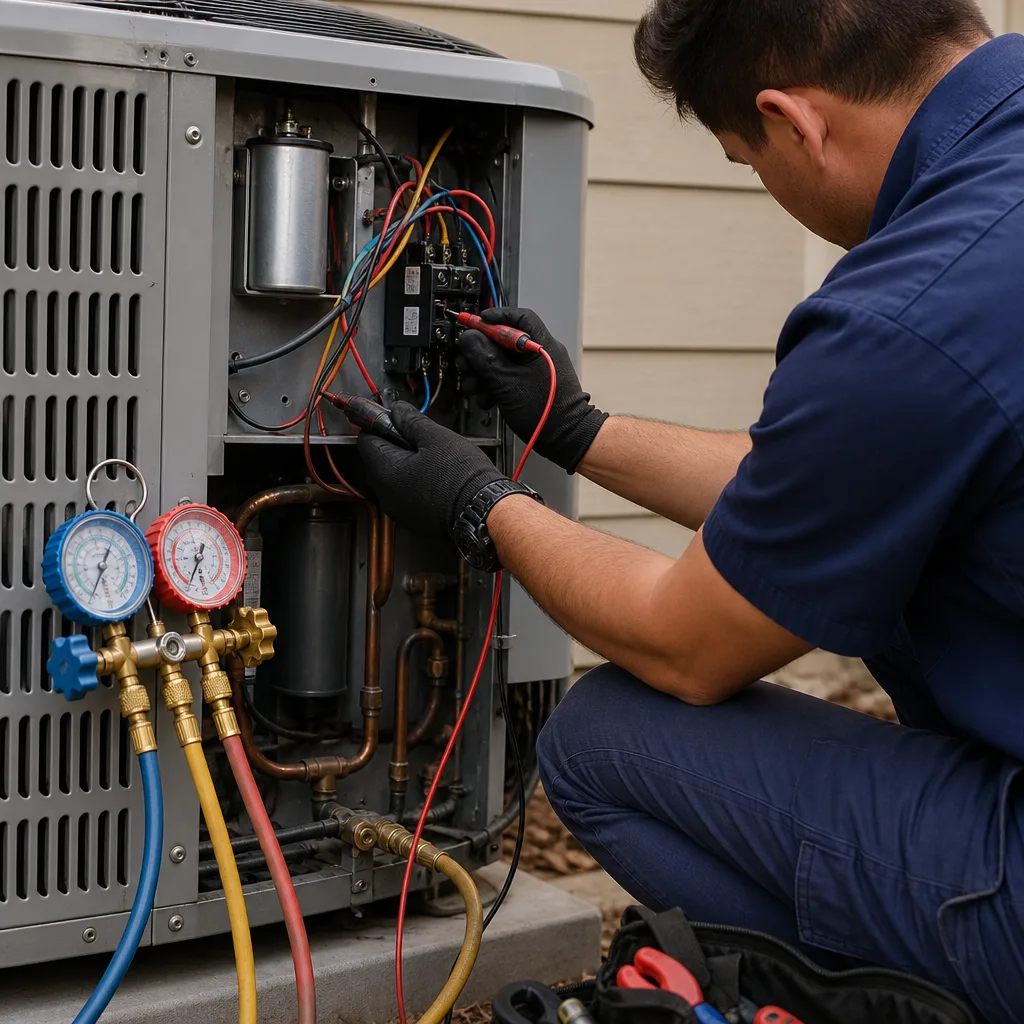 After
After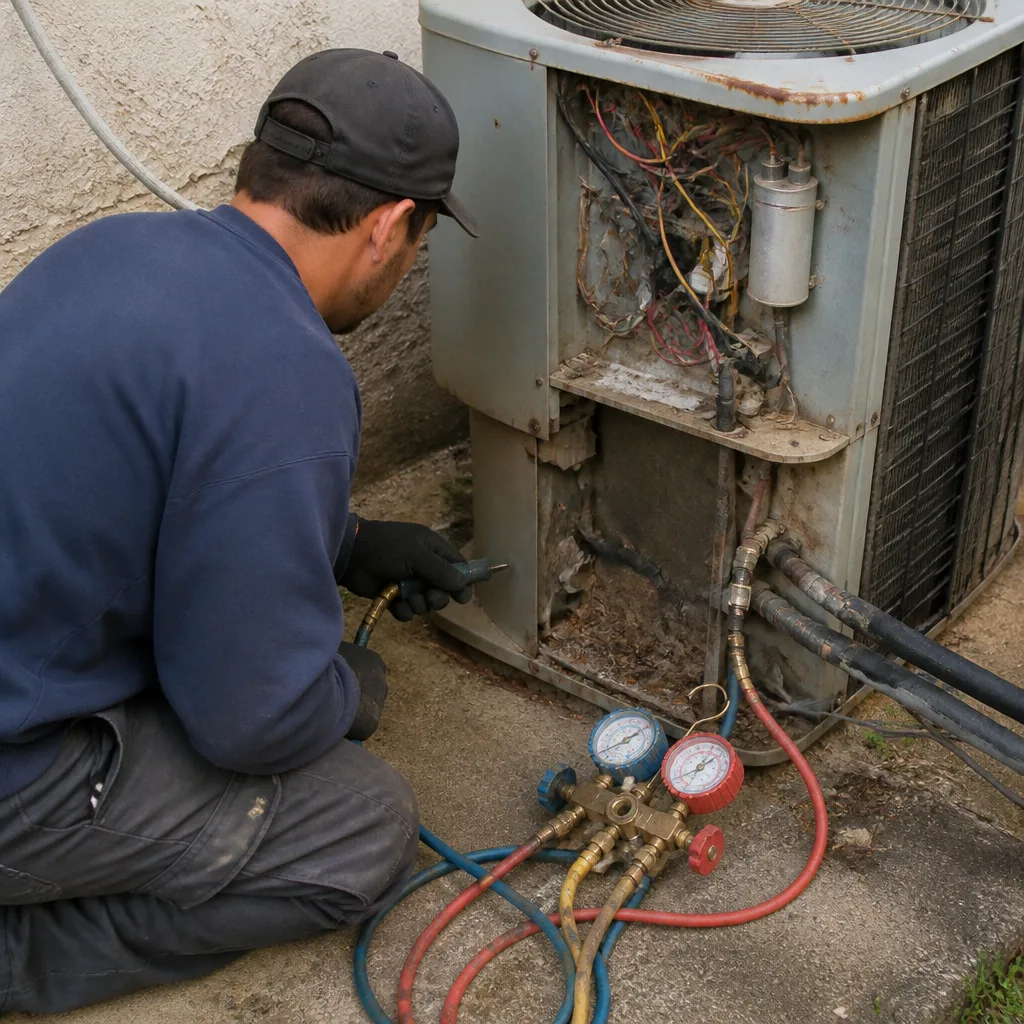 Before
 After
AfterReplacement Cost & What’s Included
A full Daikin mini-split installation swap in Dallas ranges from $2,400 to $5,800 for a single-zone system. The spread comes down to three things: BTU size (a 9K unit in a bedroom costs less than a 24K unit in an open living area), line set length and routing (a unit on an interior wall with a long run through the attic costs more than a back-to-back install on an exterior wall), and whether we’re reusing existing electrical or pulling a new dedicated circuit.
Every Daikin installation we do starts with a written price before any work begins. That price includes the indoor unit, outdoor unit, line set, flared connections, condensate drain, electrical disconnect, pad or wall bracket, and the full startup and refrigerant charge. We don’t hand you a low number and then add for “miscellaneous materials” after the fact. The work is guaranteed for 365 days under our Done Right Promise. If the install fails within that year, we come back and make it right at no charge – no argument, no filing a claim, no runaround.
DIY or Call Us?
Here’s the straight version. A mini-split install is not a morning DIY project. The refrigerant lines carry pressure that can cause serious injury if a fitting lets go, and the system requires a vacuum pump, a micron gauge, and the knowledge to braze or flare fittings correctly. If the flare is wrong, you won’t know until the system slowly leaks out over six months and then fails on the hottest day of a Dallas summer. That’s the part no YouTube video shows you.
What you can safely do before we arrive: check that the outdoor unit isn’t buried in leaves or blocked by a fence panel someone installed too close, and make sure the indoor filter is clean. Those two things cause more no-cool calls in Dallas than any actual equipment failure. Anything involving the refrigerant lines, the electrical, or the drainage pitch is a job for someone who does this every week. Call us at (325) 312-3269 and we’ll walk you through what you’re seeing, then give you a written price to fix it.
FAQs
A properly installed Daikin mini-split will last 15 to 20 years in the Dallas climate, with the outdoor unit taking the brunt of the heat and the indoor unit holding up well since it’s protected from direct sun. What shortens the lifespan most is a sloppy install, specifically a flare fitting that leaks refrigerant slowly and forces the compressor to run hot for years. We see Daikin units in Dallas that are 12 years old and running like new because the install was done right, and we see 5-year-old units that are headed for the scrap pile because a flare nut was over-torqued on day one. If your system is having repeated issues, it’s worth having us check the entire line set before you invest in another repair.
Yes, and in a lot of cases that’s the smarter call. If the problem is a leaking flare fitting, a sagging condensate line, or a bad drain pump, we can usually repair the installation and recharge the system for a fraction of what a full replacement costs. The repair cost for a refrigerant leak on a Dallas Daikin mini-split typically runs $150 to $650 depending on whether we need to pull a vacuum and recharge, and whether the flare needs to be re-done or the line set replaced entirely. We’ll tell you plainly if the repair is worth doing or if you’re throwing money at a system that’s already past its useful life. Give us a call at (325) 312-3269 and we’ll talk through what you’re seeing.
A single-zone install on an exterior wall takes one day, usually 4 to 6 hours on site. A multi-zone system with two or three indoor heads, longer line set runs through an attic, or new electrical work can take two days. We’ll give you a set date and a set arrival time, and you’ll know the technician’s name and see their photo before they ever knock on your door – that’s the Threshold Verified standard we work under on every job in Dallas.
We stock the common items on our trucks: 1/4″ and 3/8″ line sets, flare nuts, insulation, mounting brackets, condensate pumps, and line hide. If your install requires a specific Daikin OEM part that we don’t have on the truck, we can usually source it from our Dallas supplier the same day or by the next morning. We also carry parts for Carrier, Trane, and Lennox systems, so if you have mixed equipment in the house we can handle that too.
Written by Devin Marlowe, Owner, Brandt HVAC Co Dallas at Brandt HVAC Co Dallas, serving Dallas and nearby areas.