
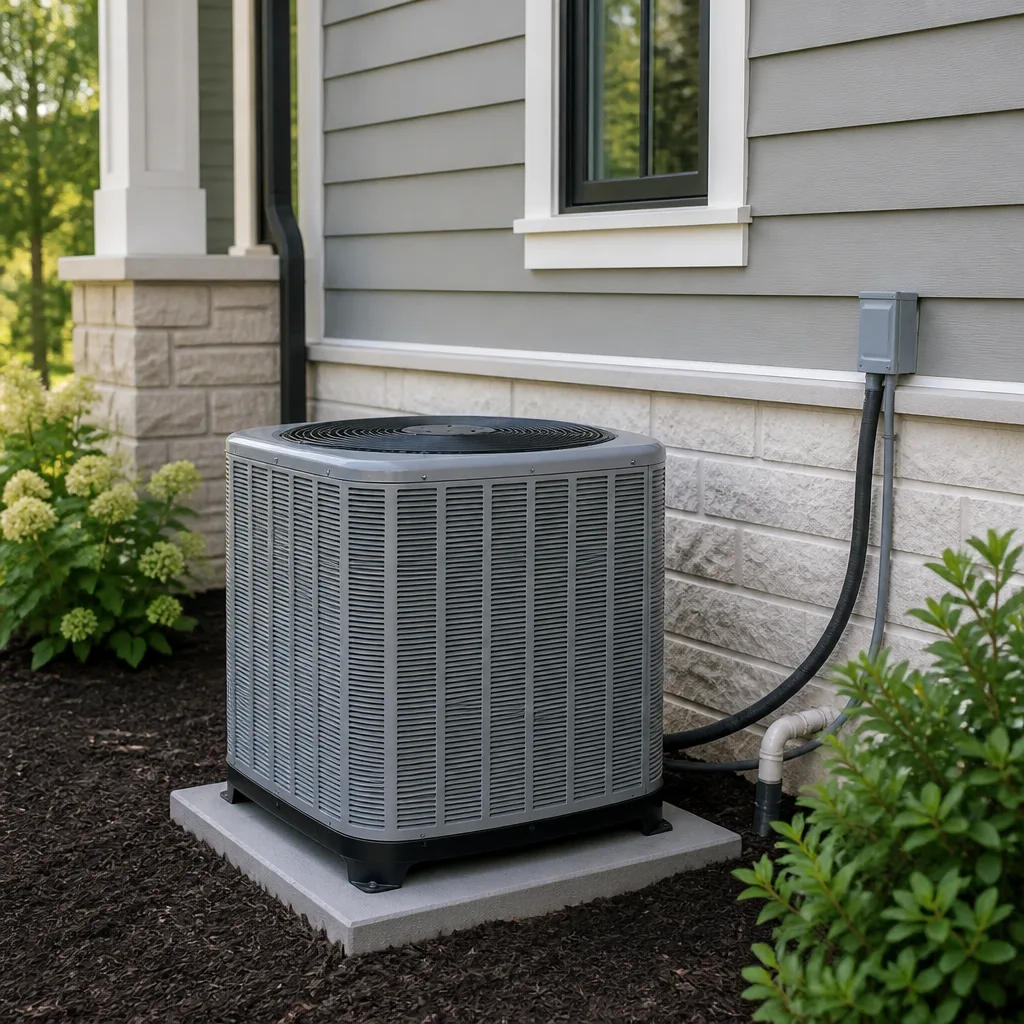
 Carrier
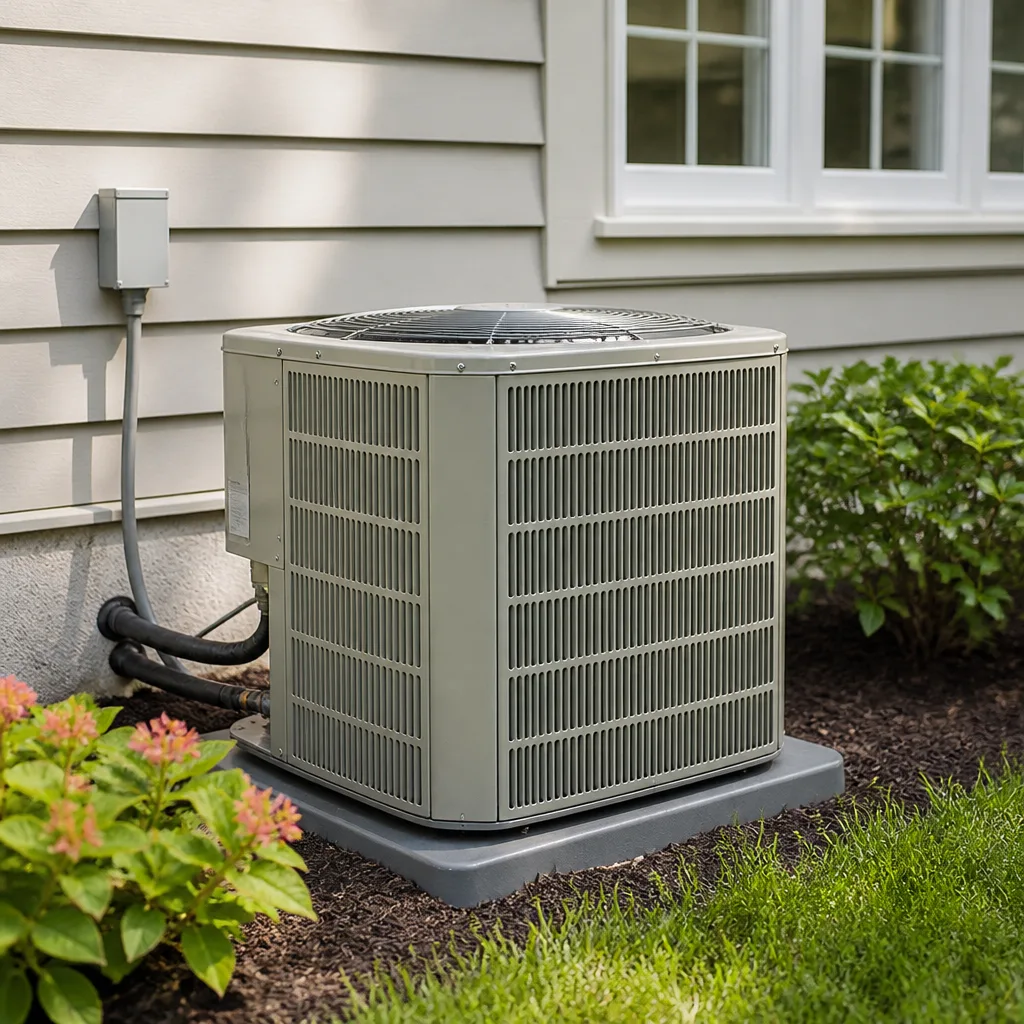 AC repair
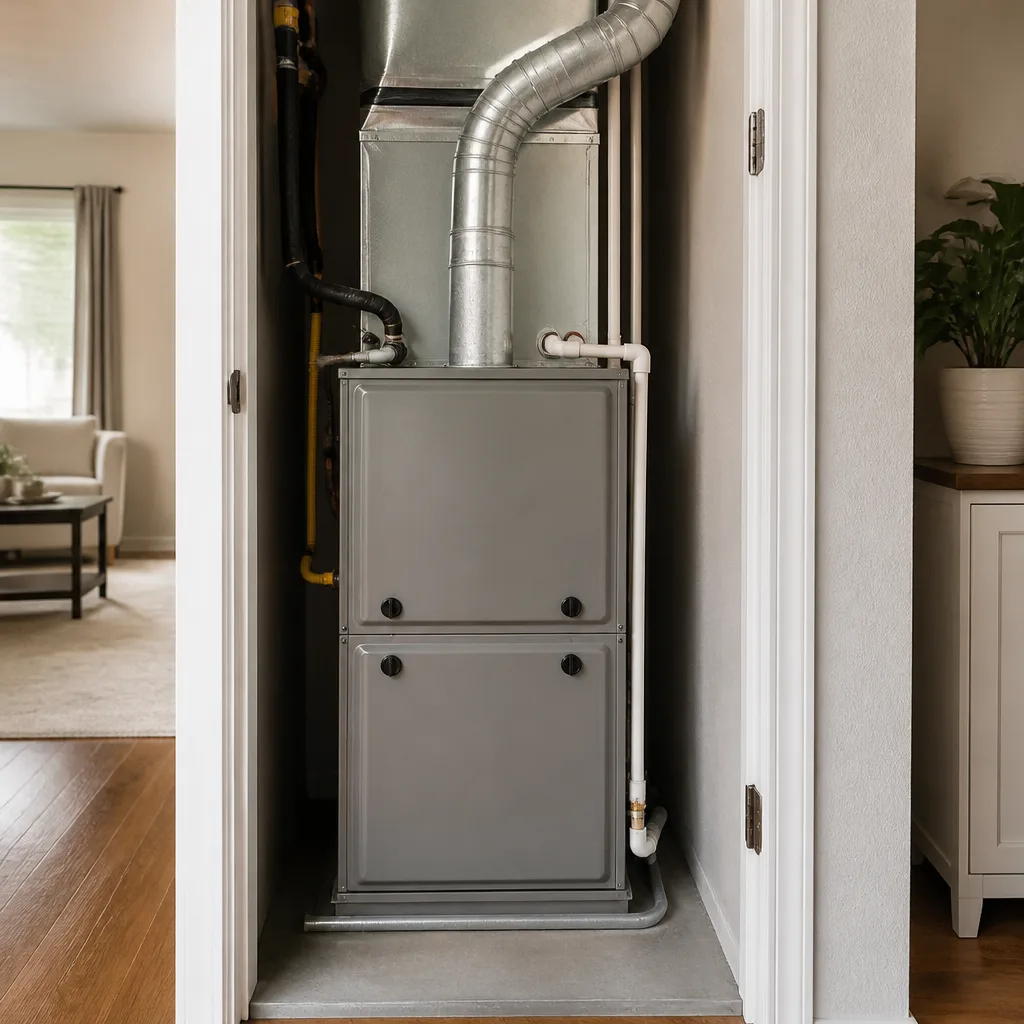 Furnace & heating
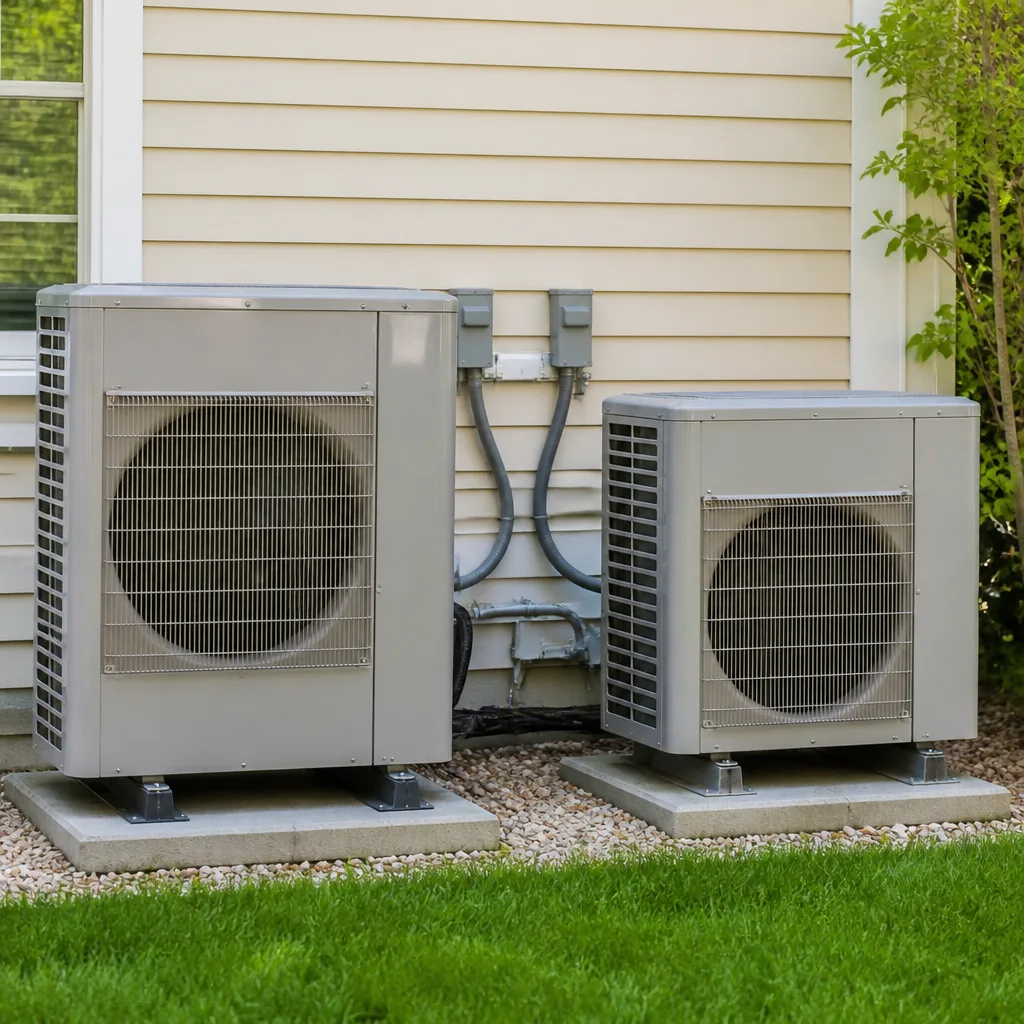 Heat pumps
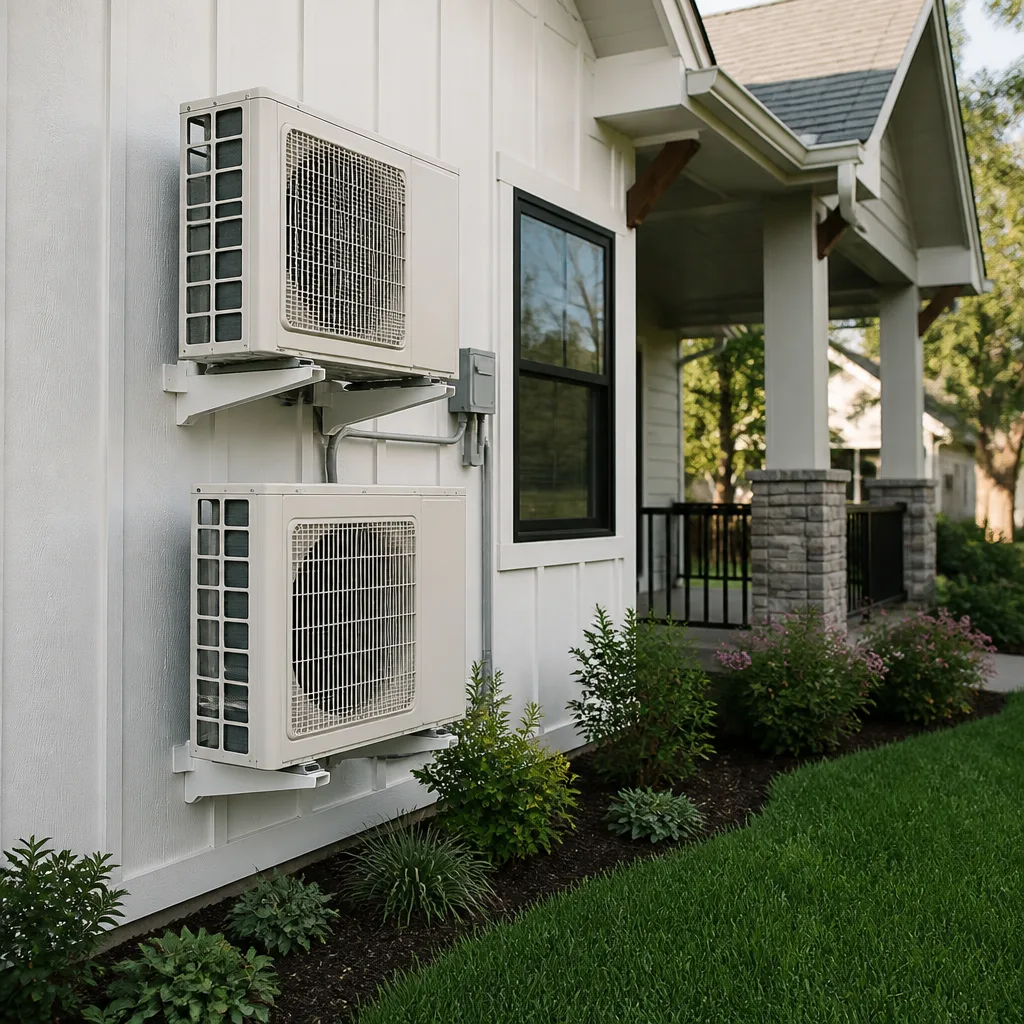 Ductless mini splits
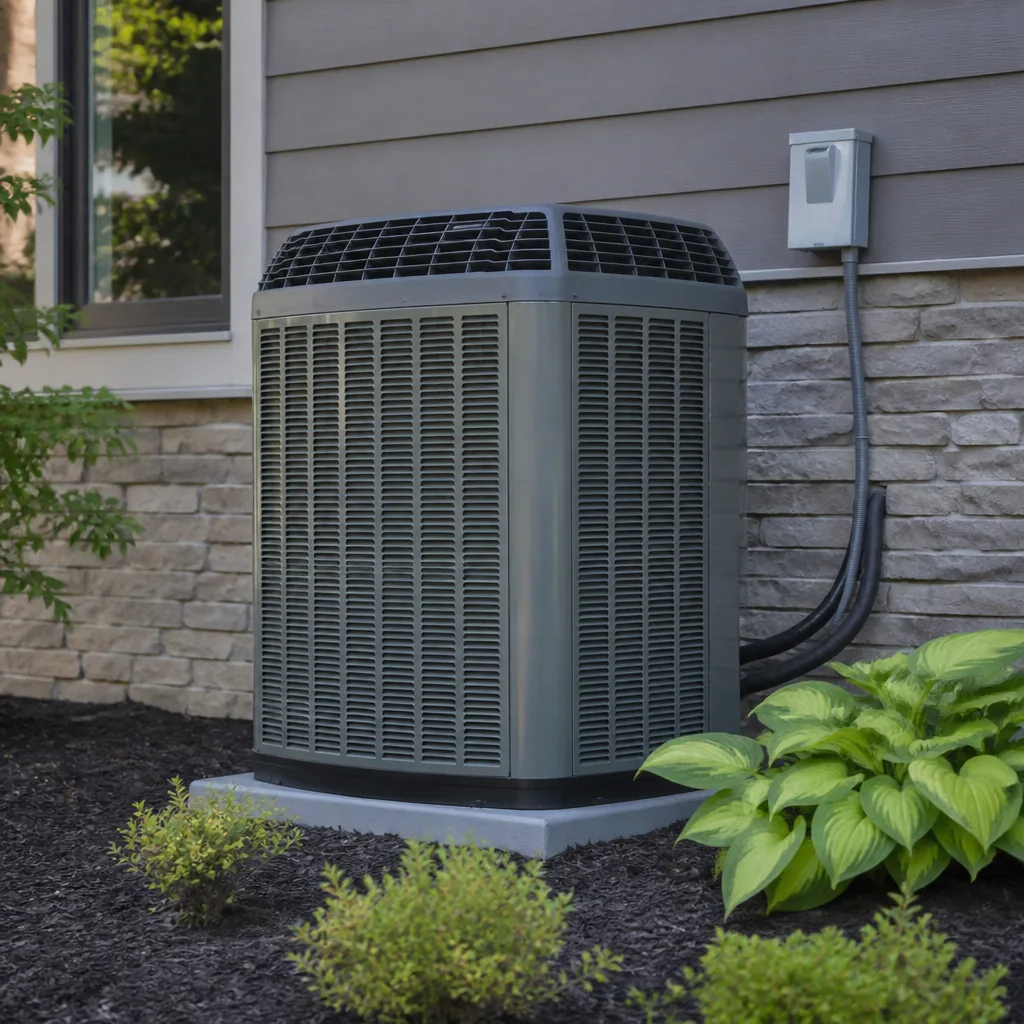 Trane
Trane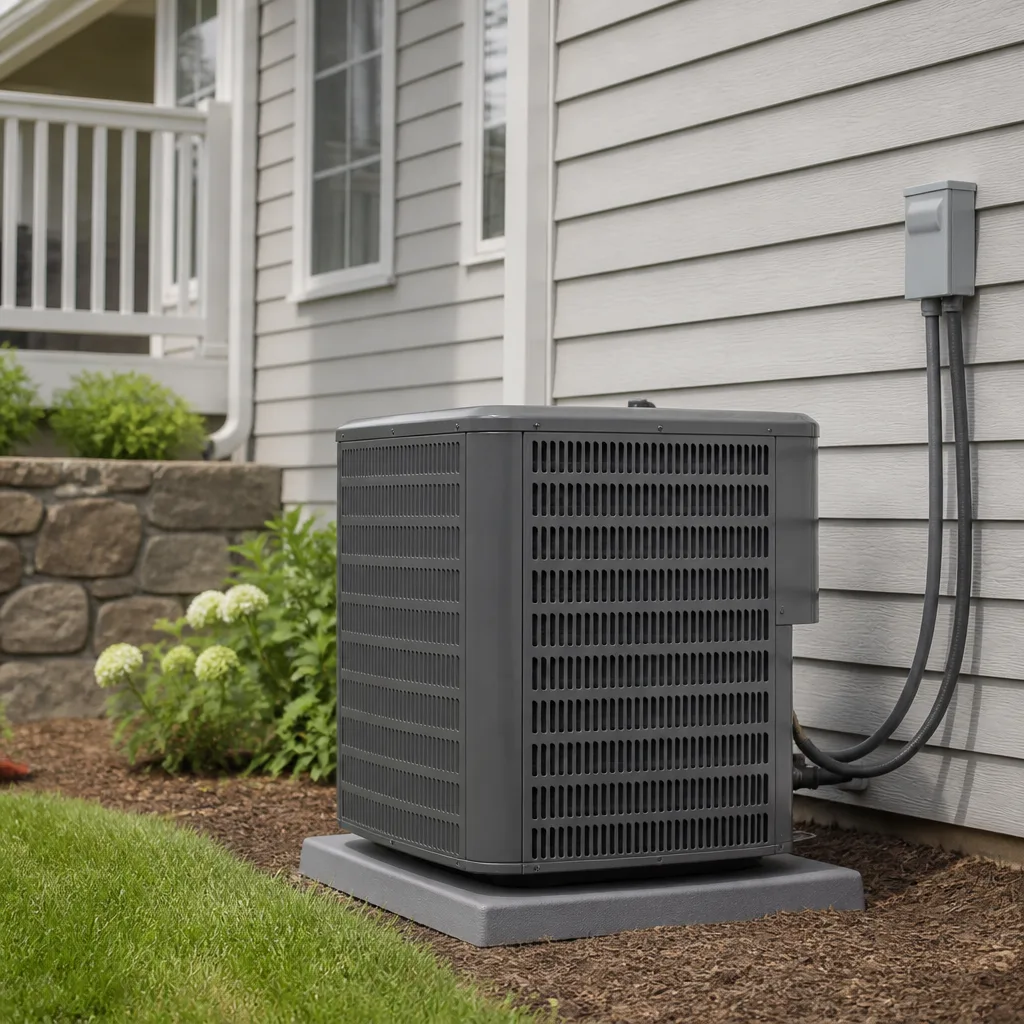 Goodman
Seasonal tune-up and full diagnostic on your Carrier, Trane, or Goodman system - readings shown to you before any repair is proposed
Diagnosis first, numbers second - you approve the repair price before a single part goes in.
Get your free estimateCarrier Capacitor Replacement: The Dallas Owner’s Guide
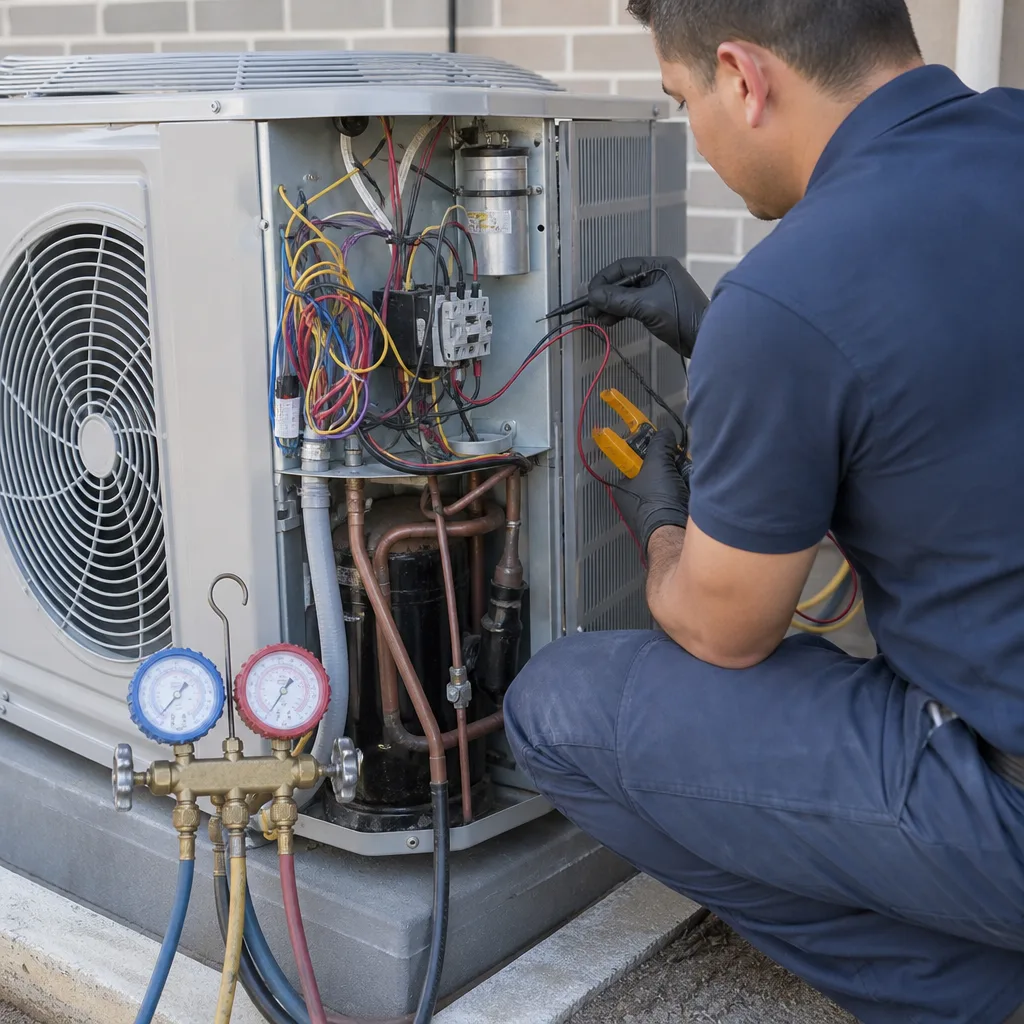
A Carrier capacitor replacement in Dallas typically runs $180 – $340 installed, parts and labor included, and most swaps are done the same day we diagnose the failure. The capacitor is the small cylinder inside your outdoor condenser unit that gives the compressor and fan motor the electrical jolt they need to start and keep running. When it fails, your Carrier unit may hum without starting, trip a breaker, or blow warm air through your vents on a 98-degree Dallas afternoon.
Most Dallas homeowners discover a dead capacitor the hard way: the thermostat says 72, the house says 83, and the outdoor unit is silent except for a faint buzz. That buzz is often the compressor trying to start without the necessary voltage boost. It’s one of the most common Carrier repair calls we run from April through October, and it’s usually a fast, straightforward fix. Devin Marlowe has replaced enough of these on Dallas rooftops and side yards to tell you the price before the truck rolls.
Key takeaways:
- Installed cost: $180 – $340 for most Carrier residential units
- Same-day replacement available on our service trucks
- We carry OEM and quality aftermarket capacitors rated for Carrier specs
- Every repair includes a written 365-day guarantee
- Live person answers 24/7 at (325) 312-3269
Which Carrier Models This Applies To
The capacitor in your Carrier unit isn’t a one-size-fits-all part. Carrier uses different capacitor ratings across their residential lines, and installing one with the wrong microfarad (µF) rating is a fast way to damage the compressor or fan motor you’re trying to save. The most common Carrier residential series we service for capacitor replacement in Dallas include the Comfort Series, Performance Series, and Infinity Series condensing units, along with older models like the 38BR, 38CKC, and 24ABC lines.
Your capacitor’s rating is printed directly on the metal or plastic casing. A typical Carrier dual-run capacitor reads something like 45/5 µF, 440 VAC. The first number (45) feeds the compressor. The second number (5) feeds the outdoor fan motor. That dual rating matters: a 45/5 and a 40/5 are not interchangeable, even if they physically look close. We also check the shape. Round capacitors and oval capacitors mount differently inside the control panel, and Carrier has used both depending on the model year.
On the OEM-versus-aftermarket question: Carrier-branded capacitors are solid parts, but quality aftermarket options from manufacturers like Titan HD and AmRad are built to the same or better tolerances, often with higher temperature ratings, and generally cost less. For a Dallas condenser sitting in direct sun and ambient heat above 140°F next to the coil, we prefer capacitors rated for 440 VAC and 70°C or higher, regardless of whose name is on the sticker. We’ll show you the label on the old part and the new part before anything gets installed.
One compatibility gotcha worth knowing: the Infinity series, especially models with communicating systems, sometimes use a capacitor integrated with the inverter board rather than a conventional standalone part. If we open the panel and see that, we’ll tell you before touching anything. That’s a different repair path, and you’ll know the price either way. Brandt HVAC Co Dallas is an independent service provider, not affiliated with Carrier, and we stock parts for Trane and Lennox systems as well.
Styles & brands we work with
Signs Your Carrier Capacitor Replacement Is Failing
- The outdoor unit hums but the fan doesn’t spin. That hum is the compressor or fan motor drawing current but not getting the starting voltage it needs. This is the classic capacitor failure sound, and it means the part is already dead or dying.
- The fan spins slowly or starts after a long delay. A weak capacitor delivers partial voltage, so the fan eventually gets going but struggles. In Dallas heat, that slow start adds strain to the motor every single cycle.
- The compressor short-cycles or the unit starts and stops repeatedly. When the capacitor can’t hold a charge, the compressor may start, overheat, and shut down on its thermal overload. That cycle shortens the compressor’s life significantly.
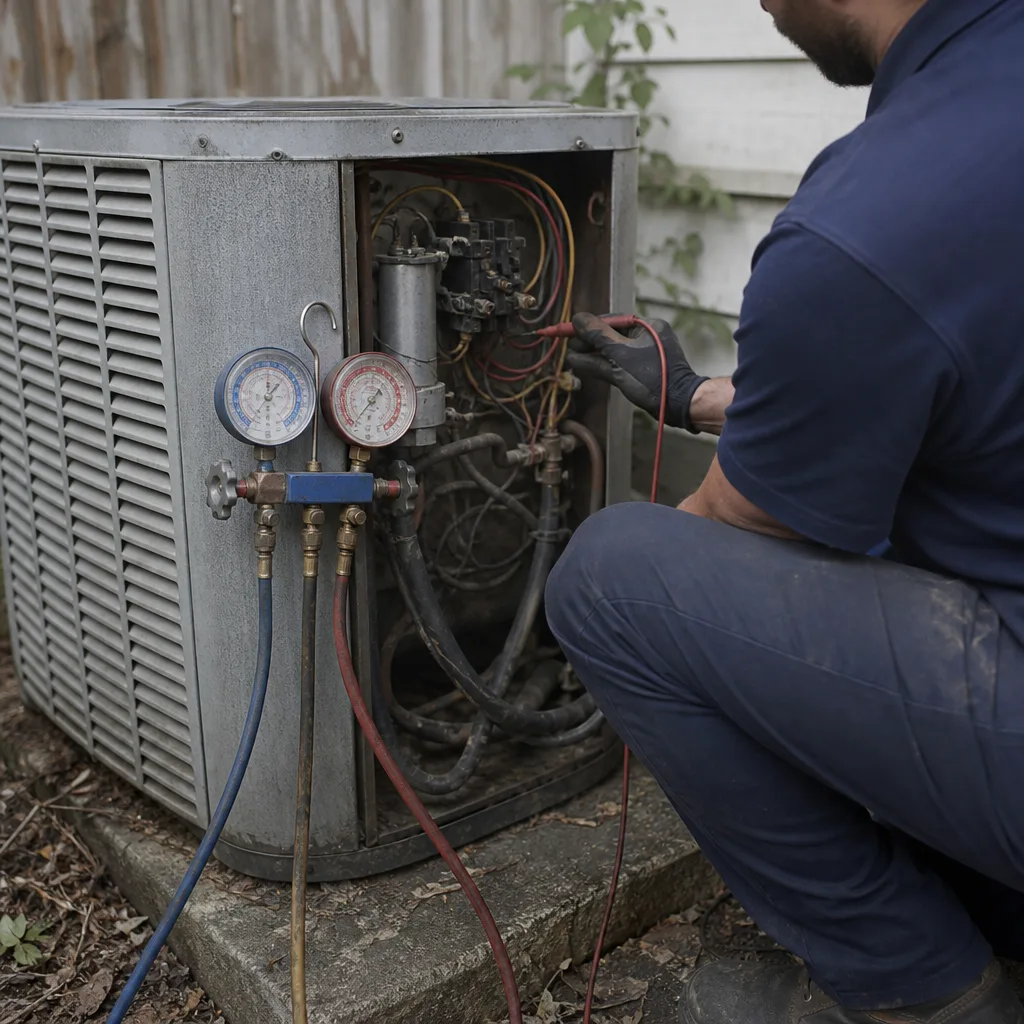
- The capacitor is bulging or leaking oil. A swollen top or a visible oily residue around the base means the internal dielectric has broken down. This is a visual confirmation you can sometimes spot yourself through the unit’s access panel.
- Your energy bill climbs while cooling drops. A failing capacitor makes the compressor and fan work harder at lower efficiency. If the system runs longer to hit the same temperature, the capacitor is a likely suspect and one of the cheaper things to rule out first.
See the difference
 Before
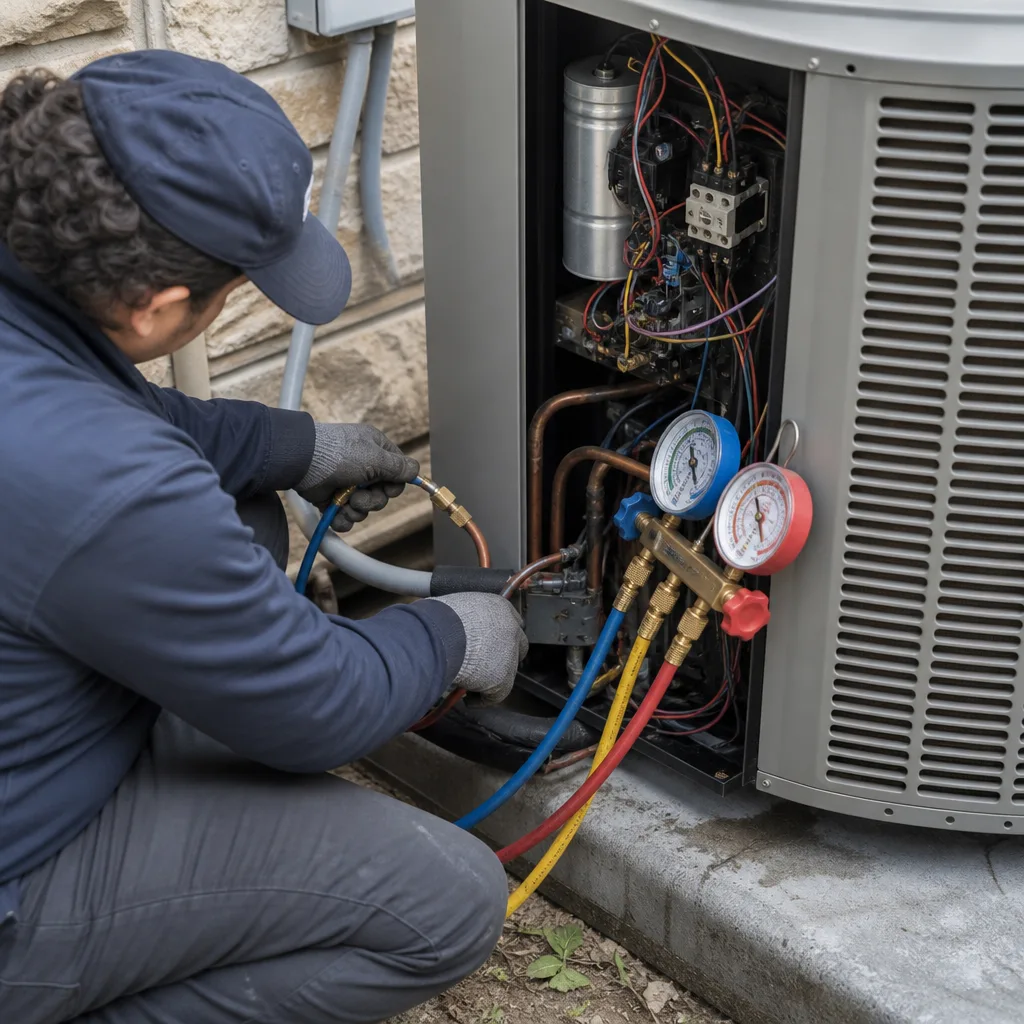 After
After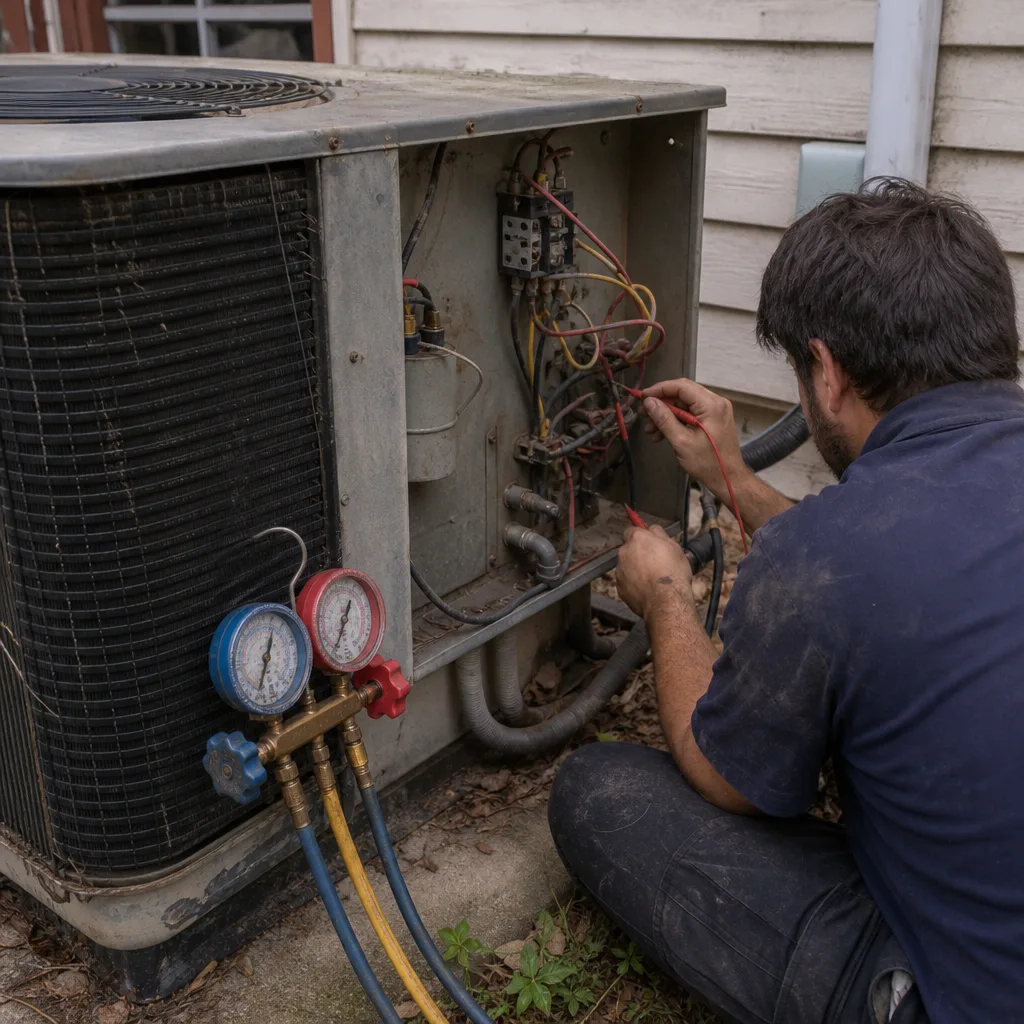 Before
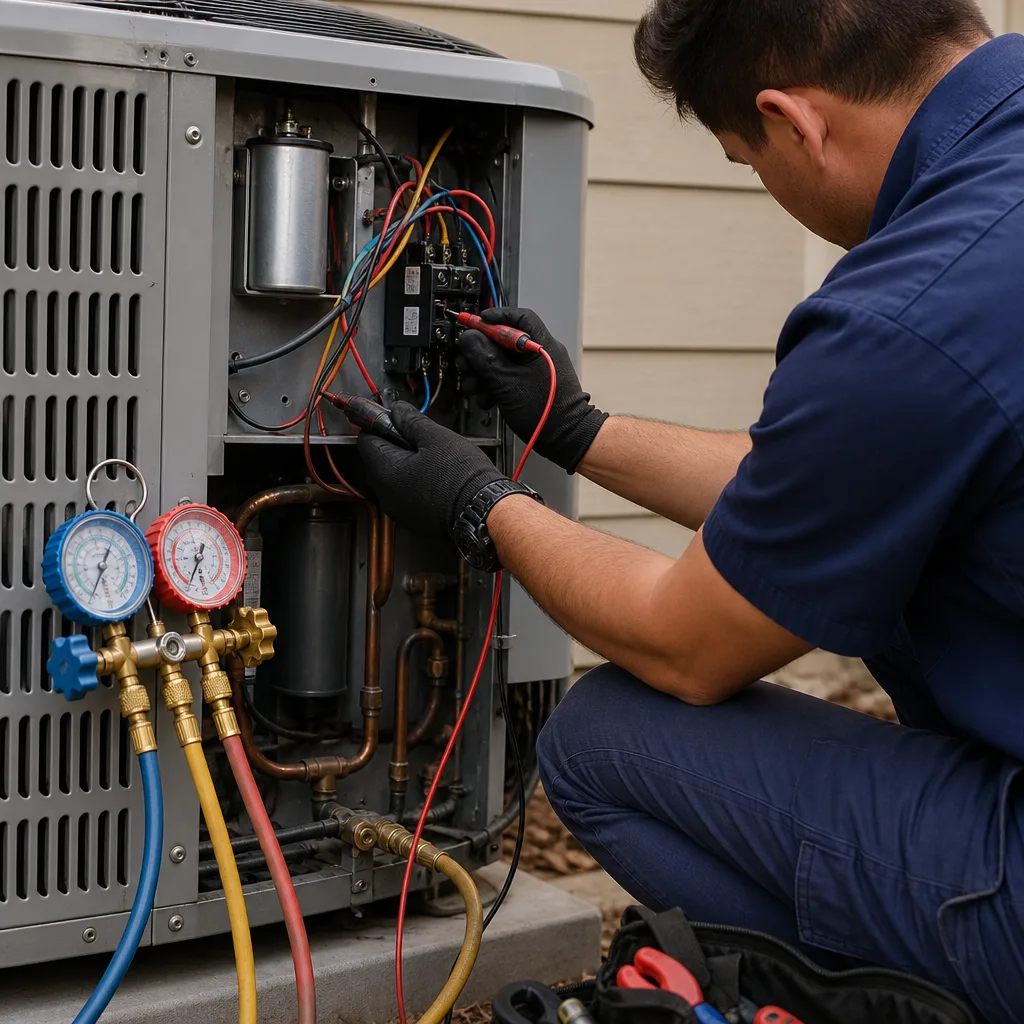 After
After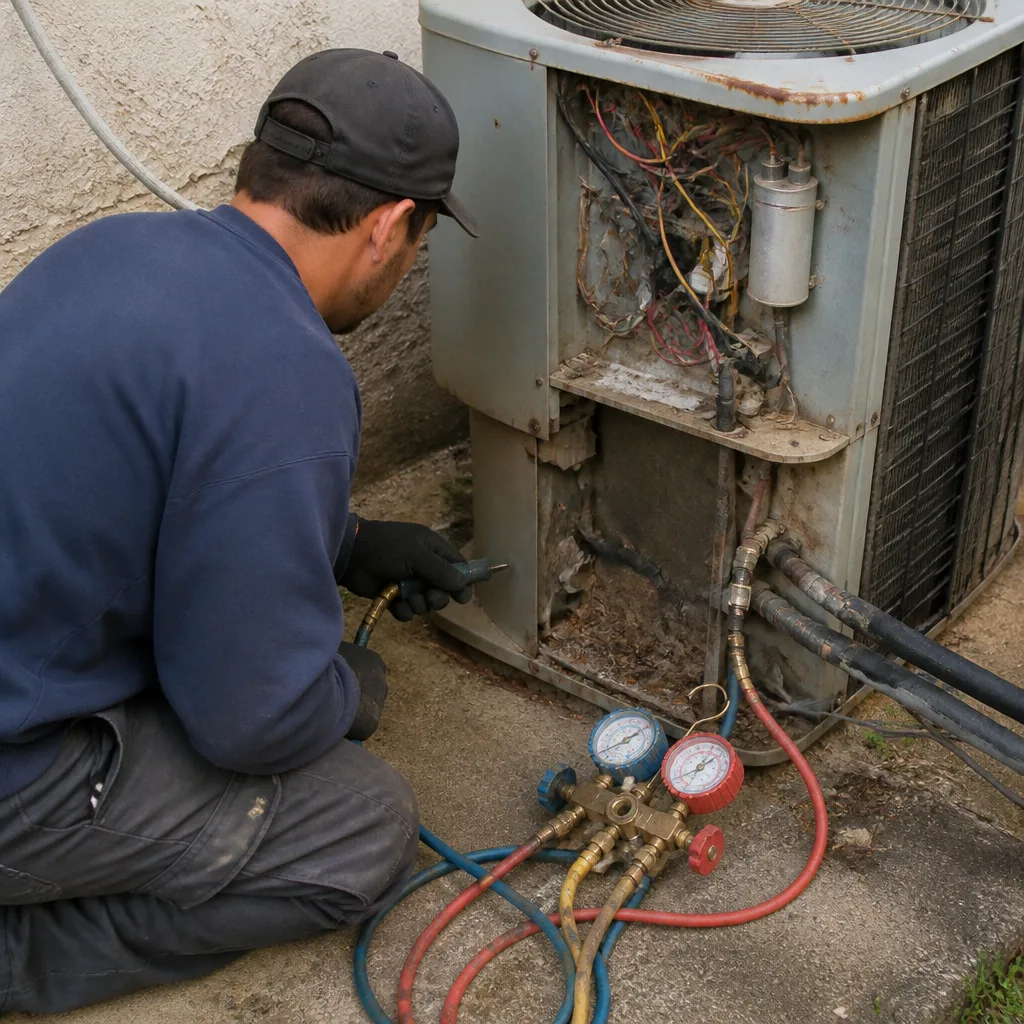 Before
 After
AfterReplacement Cost & What’s Included
Most Carrier capacitor replacements in Dallas run $180 – $340 installed. The capacitor itself is typically a $30 – $90 part depending on the rating and whether it’s a single-run or dual-run configuration. The rest of the cost is the service call, diagnostic time, installation, and testing.
Here’s the honest breakdown of what moves the price within that range:
- OEM vs. aftermarket: A Carrier-labeled part often costs $20 – $40 more than an equivalent high-quality aftermarket capacitor. We’ll quote both options.
- Single vs. dual-run: Dual-run capacitors (one part feeding both compressor and fan) are slightly more expensive than single-run units. Most modern Carrier condensers use dual-run.
- Access difficulty: Some Dallas installs are tight against a fence line or buried in a condo closet. If we’re working around obstacles or in an attic unit, labor time moves a little.
Every capacitor replacement we do includes a written price before any work starts. You approve the number on paper, then we turn the wrench. The repair is guaranteed for 365 days under our Done Right Promise. If the new capacitor fails within that year, we return at no charge and make it right. That’s the whole deal in writing.
DIY or Call Us?
We’ll be straight with you: a capacitor is a genuinely dangerous part to handle. Even with the unit off, the capacitor stores enough voltage to deliver a serious shock, sometimes fatal, if it’s not discharged correctly. A charged capacitor can hold that voltage for days after power is cut. If you’re not trained in how to safely discharge and test one, this is not the repair to learn on.
What you can safely do is look. If you’re comfortable removing the condenser’s access panel (with the breaker off), you can visually check whether the capacitor looks bulged or leaking. That’s useful information, and we’ll trust what you tell us on the phone. But the actual replacement is a 30-to-45-minute job for a trained tech with the right meter and the right part on the truck. If the symptom is a humming unit on a hot Dallas day, call us at (325) 312-3269. Tell me what’s broken, I’ll tell you what it costs, and we’ll get your house back to comfortable. We’ll send you the technician’s name and photo before arrival, and they’ll show a photo ID badge at the door. No surprises, no strangers.
FAQs
A Carrier capacitor typically lasts 5 to 15 years, but in Dallas the realistic lifespan skews toward the lower end. Persistent heat above 100°F, direct sun exposure on the condenser, and frequent cycling during long cooling seasons all accelerate capacitor wear. We regularly replace capacitors on units that are 6 – 8 years old in this market, while the same part in a milder climate might run a decade. If yours is approaching that age and you’re noticing slow starts or weak airflow, a diagnostic visit now is cheaper than a compressor later. Call (325) 312-3269 for a system check.
No. A capacitor is a sealed, disposable component. Once the internal dielectric breaks down, which is what causes the bulging or leaking you might see, there’s no way to restore it. Replacement is the only correct repair. The good news is that it’s one of the least expensive parts in your Carrier system, and the fix is fast.
A straightforward Carrier capacitor replacement takes 30 to 45 minutes once the unit is opened and diagnosed. If it’s paired with a diagnostic visit or additional testing on the fan motor or compressor, expect a little longer. We’ll tell you the full timeline and the full price before the work begins, in writing.
Yes. Our Dallas service trucks carry the most common Carrier dual-run and single-run capacitor ratings, including 35/5, 40/5, 45/5, and 50/5 µF at 440 VAC, along with round and oval form factors. That means most capacitor replacements happen in one visit. If we encounter an unusual spec, we’ll get the part same day in most Dallas-area locations. Call (325) 312-3269 and we’ll confirm what we have before we roll.
Written by Devin Marlowe, Owner, Brandt HVAC Co Dallas at Brandt HVAC Co Dallas, serving Dallas and nearby areas.